










Yes—regular sauna bathing can modestly support immune function, including temporary increases in certain white blood cells (WBCs), which play a key role in defending the body against infections. This effect is largely driven by heat-induced physiological responses such as increased circulation, mild stress adaptation, and activation of immune signaling pathways. However, sauna use should be viewed as a supportive wellness practice—not a replacement for medical care, vaccination, or a healthy lifestyle.
KumDi.com
White blood cells (leukocytes) are central to the immune system. They identify, attack, and eliminate pathogens such as bacteria, viruses, and abnormal cells. Major types include:
- Neutrophils – First responders to infection
- Lymphocytes (T-cells, B-cells) – Adaptive immunity and memory
- Monocytes – Become macrophages to clean up pathogens
- Eosinophils & basophils – Involved in allergic and inflammatory responses
An increase in circulating white blood cells—especially after a controlled stimulus like heat—can indicate heightened immune readiness.
Table of Contents

How Sauna Bathing Affects the Immune System
1. Heat Stress Triggers Immune Activation
Exposure to high temperatures (typically 70–100°C in traditional dry saunas) creates a mild, controlled stress response. This activates the body’s thermoregulatory and immune pathways, including:
- Release of heat shock proteins (HSPs)
- Activation of cytokines (immune signaling molecules)
- Temporary increase in circulating leukocytes
Heat shock proteins, in particular, help repair damaged cells and improve immune surveillance.
2. Increased Circulation Enhances Immune Cell Movement
During sauna use:
- Heart rate increases (similar to moderate exercise)
- Blood vessels dilate (vasodilation)
- Circulation improves
This allows immune cells to move more efficiently throughout the body, improving their ability to detect and respond to threats.
3. Temporary Rise in White Blood Cells
Clinical and physiological studies have shown:
- A short-term increase in total WBC count after sauna exposure
- Elevated neutrophils and lymphocytes immediately post-session
- Effects similar to moderate physical activity
This is not a permanent increase but reflects a mobilization of immune cells into circulation.
4. Reduction in Chronic Inflammation
Chronic low-grade inflammation weakens immune defense. Regular sauna use has been associated with:
- Lower levels of C-reactive protein (CRP)
- Reduced systemic inflammation
- Improved immune balance
This creates a more efficient immune response environment.
Evidence from Research (Up to 2026)
Finnish Sauna Studies
Much of the strongest evidence comes from long-term observational studies in Finland, where sauna use is common:
- Frequent sauna users (4–7 times per week) showed lower rates of respiratory infections
- Reduced risk of pneumonia and chronic inflammatory diseases
- Improved overall immune resilience markers
Controlled Clinical Findings
Short-term studies demonstrate:
- Increased white blood cell count post-sauna
- Enhanced natural killer (NK) cell activity
- Improved immune response to mild stressors
While these findings are promising, they are generally modest and supportive, not curative.
Real-World Clinical Perspective
From a medical and wellness standpoint, sauna therapy is often used as part of a broader recovery and immune-support strategy:
Example Scenario
A patient with high stress and frequent minor illnesses (e.g., colds) adopts:
- Sauna use 3–4 times per week
- Improved sleep and hydration
- Regular physical activity
Over several months, they may experience:
- Fewer infections
- Faster recovery times
- Improved subjective well-being
However, clinicians emphasize that this is multifactorial, not solely due to sauna use.
Types of Saunas and Their Effects
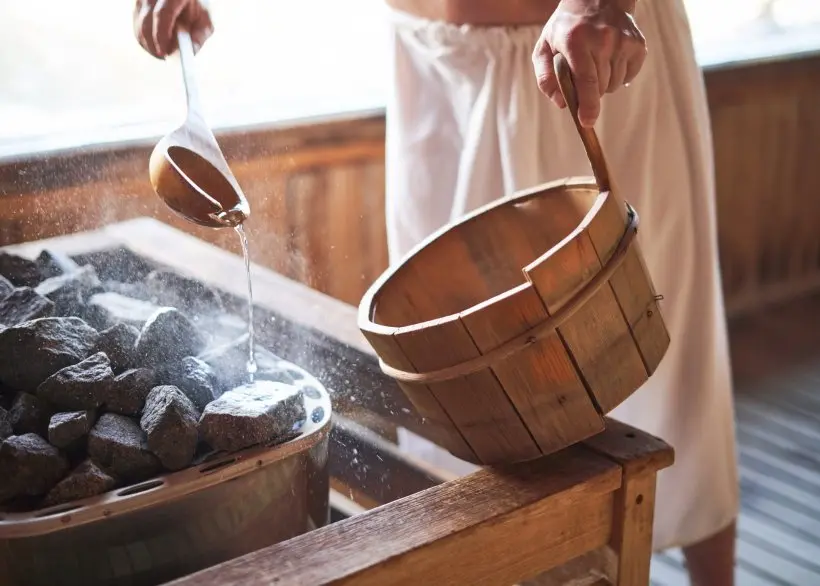
Different sauna types may influence the immune system slightly differently:
1. Traditional Finnish Sauna
- High heat, low humidity
- Strong cardiovascular and immune stimulation
2. Infrared Sauna
- Lower temperature, deeper tissue penetration
- May be more tolerable for beginners
3. Steam Sauna (Steam Room)
- Lower heat, high humidity
- Beneficial for respiratory comfort, but less studied for immune activation
Optimal Sauna Use for Immune Support
Recommended Guidelines
- Frequency: 2–4 sessions per week
- Duration: 10–20 minutes per session
- Temperature: 70–90°C (traditional sauna)
- Hydration: Essential before and after
Post-Sauna Cooling
Alternating heat with cooling (cold shower or rest period) may enhance:
- Circulation
- Autonomic nervous system balance
- Immune responsiveness
Risks and Safety Considerations
Sauna use is generally safe for healthy individuals but requires caution in certain situations:
Who Should Be Careful
- People with cardiovascular conditions
- Individuals with low blood pressure
- Pregnant individuals (consult a physician)
- Those with acute infections or fever
Potential Risks
- Dehydration
- Dizziness or fainting
- Overheating
Important: Sauna should not be used as a treatment for active infections.
What Sauna Cannot Do
To maintain medical accuracy and trustworthiness:
- Sauna does not “boost immunity” in a permanent or dramatic way
- It does not prevent all infections
- It does not replace vaccines, nutrition, or medical treatment
Instead, it supports overall physiological resilience, which includes immune function.
Supporting Factors That Enhance the Effect
Sauna works best when combined with:
- Regular exercise
- Adequate sleep (7–9 hours)
- Balanced nutrition (vitamins A, C, D, zinc)
- Stress management
These factors collectively influence immune health more significantly than any single intervention.
Key Takeaways
- Sauna bathing can temporarily increase white blood cells and enhance immune activity
- Effects are driven by heat stress, circulation, and immune signaling
- Regular use is associated with lower infection risk and reduced inflammation
- Benefits are supportive, not curative
- Best results occur when combined with a healthy lifestyle

FAQs
Does sauna bathing really increase white blood cells?
Yes, sauna exposure can cause a temporary increase in circulating white blood cells, especially neutrophils and lymphocytes. This happens as part of the body’s heat stress response and improved circulation, helping immune cells move more efficiently.
How long does the immune boost from sauna last?
The increase in white blood cells is short-term, typically lasting a few hours after a session. However, regular sauna use may contribute to better overall immune resilience over time.
How often should I use a sauna for immune support?
Most research suggests:
2–4 sessions per week
10–20 minutes per session
Consistency matters more than intensity for long-term immune support.
Can sauna help prevent colds or infections?
Sauna use may reduce the frequency of respiratory infections, especially with regular use, but it does not guarantee prevention. It should complement—not replace—vaccination, nutrition, and proper hygiene.
Is it safe to use a sauna when sick?
No. If you have a fever, active infection, or feel unwell, sauna use is not recommended. It can increase physical stress and potentially worsen symptoms.




 and then