








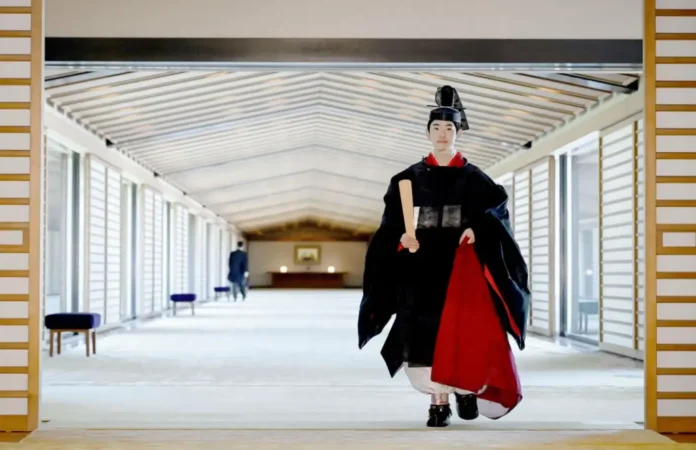

Prince Hisahito, often called Japan’s “Dragonfly Prince,” is the only male heir of his generation and second in line to the Chrysanthemum Throne. His unique passion for nature and insects contrasts with the heavy burden of possibly becoming the last emperor under Japan’s strict male-only succession laws.
KumDi.com
Prince Hisahito, widely known as Japan’s “Dragonfly Prince,” is the youngest male member of the imperial family and second in line to the throne. As the only young male heir, he symbolizes both hope and uncertainty for Japan’s monarchy, raising the question: could he be the last emperor?
The Japanese imperial family, known as the Chrysanthemum Throne, is the oldest continuing hereditary monarchy in the world. At the heart of its uncertain future stands Prince Hisahito of Akishino, often nicknamed Japan’s “Dragonfly Prince.” As the only male heir of his generation, Hisahito embodies both hope and anxiety for the survival of a 1,500-year-old dynasty.
This article explores who Prince Hisahito is, why he has earned the “dragonfly” title, and the challenges that make him potentially the last emperor of Japan.
Table of Contents
Prince Hisahito of Japan: The Basics
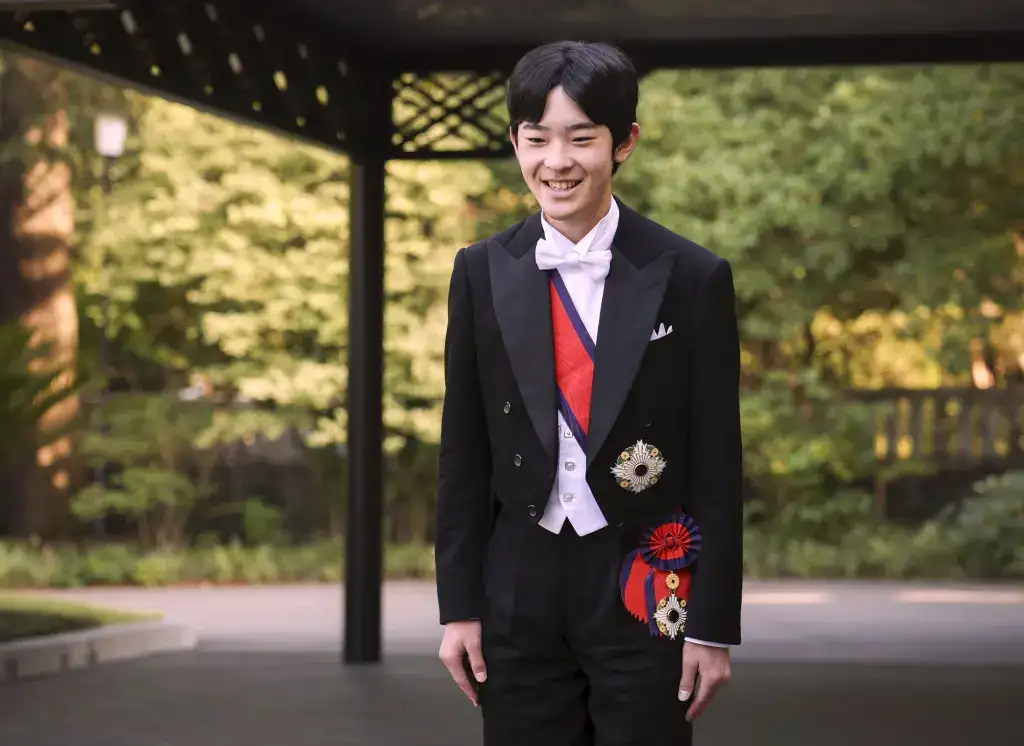
Prince Hisahito of Akishino (悠仁親王) was born on September 6, 2006 in Tokyo. He is the only son of Crown Prince Fumihito and Crown Princess Kiko, and the nephew of Emperor Naruhito. His position makes him the second in line to the throne, directly after his father.
His birth was historically significant. Before his arrival, the Japanese imperial household faced a crisis: no male heir had been born in over four decades. Many in government and society began to debate whether to revise the Imperial House Law, which strictly limits succession to males. Hisahito’s birth provided temporary relief by ensuring the line of succession continued without legal reform.
Why Is He Called the “Dragonfly” Prince?
One of the most endearing aspects of Prince Hisahito’s personality is his fascination with nature, insects, and especially dragonflies. As a student, he developed a strong interest in biology and environmental studies, particularly focusing on insect habitats in urban areas.
- He has co-authored research papers about insects found on the grounds of the Akasaka Estate.
- He enjoys gardening, rice cultivation, and observing biodiversity.
- Dragonflies, a cultural symbol of resilience and renewal in Japan, reflect his personal interests and his symbolic role as a bridge between tradition and change.
This unique passion earned him the affectionate nickname, the “Dragonfly Prince.”
Prince Hisahito’s Education and Interests
University Studies
In 2025, Prince Hisahito enrolled at the University of Tsukuba, one of Japan’s top institutions for science and education. His chosen field of study is biology, aligning with his environmental passion. His decision highlights a forward-looking perspective, connecting traditional duty with global concerns like climate change and sustainability.
Hobbies and Lifestyle
Despite his royal status, Hisahito has shown down-to-earth qualities:
- Growing vegetables and rice in small plots.
- Expressing joy even when pests appear in his crops, seeing it as part of the natural cycle.
- Maintaining a strong curiosity about ecosystems and environmental preservation.
This modest lifestyle resonates with the Japanese public, many of whom appreciate his humility and environmental awareness.
Hisahito’s Role in the Imperial Family
The Weight of Tradition
The Japanese emperor is not a political ruler but a symbol of national unity and continuity. The current Emperor Naruhito often describes the role as one of being “close to the people.” As the heir after his father, Prince Hisahito will one day be expected to fulfill this symbolic responsibility.
Coming of Age
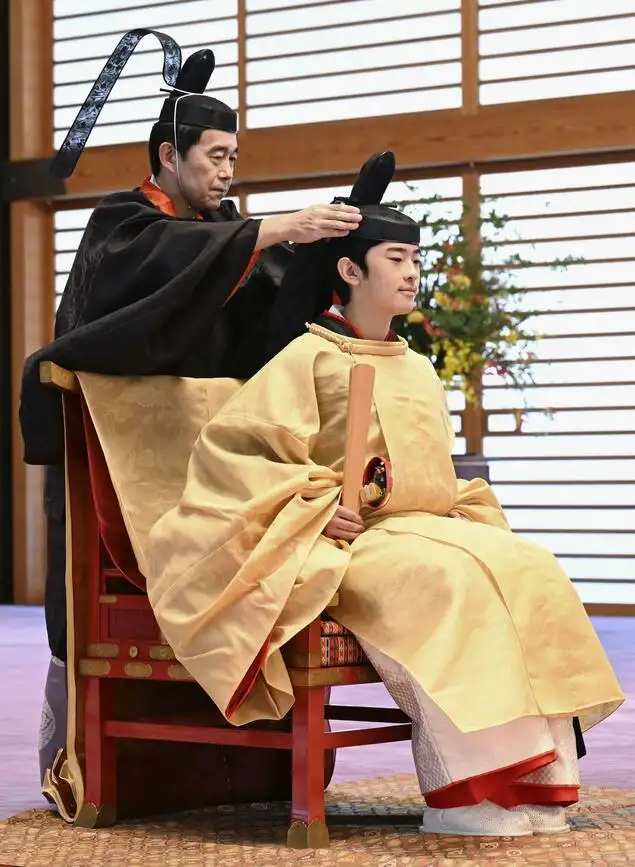
In 2024, Hisahito turned 18 years old, becoming the first male royal to reach adulthood in almost 40 years. While his formal coming-of-age ceremony was postponed to 2025 due to academic commitments, his entry into adulthood marked an important milestone for the imperial family.
Balancing Duty and Education
At his first official press conference, Prince Hisahito expressed a strong commitment to balancing academic studies with royal duties. He emphasized the importance of environmental care, community support, and embodying the spirit of service expected of future emperors.
The Succession Crisis: Why He May Be the Last Emperor
The greatest challenge facing Prince Hisahito is not personal—it is institutional. The survival of the Japanese monarchy depends on succession laws that many view as outdated.
Male-Only Succession
Japan’s Imperial House Law of 1947 allows only males in the paternal line to inherit the throne. This excludes princesses, who must relinquish their royal status upon marriage to commoners.
Shrinking Imperial Family
Currently, the number of eligible male heirs is alarmingly small:
- Emperor Naruhito has no sons.
- Crown Prince Fumihito is in his late 50s.
- Prince Hitachi, the emperor’s uncle, is elderly and childless.
- Prince Hisahito remains the only young male heir of his generation.
This creates a situation where Hisahito could one day ascend the throne without any male successor behind him.
Public Support for Reform
Polls consistently show that the Japanese public is open to allowing female succession or permitting princesses to retain royal status after marriage. However, conservative factions in government have resisted change, preferring options such as restoring defunct imperial branches or adopting heirs from distant male relatives.
The Risk of Extinction
If reforms are not made, Prince Hisahito may well become the last emperor of the Japanese monarchy. The world’s oldest hereditary line, which traces back over 1,500 years, could face an unprecedented end within a generation.
Prince Hisahito and Japan’s Future
Symbol of Modern Values
Prince Hisahito represents a younger generation that values science, environmentalism, and humility. His interests in insects and nature reflect a modern Japanese identity that respects tradition while embracing global challenges.
Bridging Tradition and Change
The Chrysanthemum Throne has endured wars, political upheavals, and modernization. Yet today’s challenge is different—it is demographic and legal. As the likely future emperor, Hisahito will stand at the center of debates over whether Japan modernizes its succession rules or risks losing the monarchy altogether.
Global Attention
Internationally, Hisahito’s story attracts attention not only because of his uniqueness but also because Japan’s monarchy carries symbolic weight as the oldest continuous royal line in history. His life, therefore, is not just a domestic matter but a subject of global cultural heritage.
Conclusion: The “Dragonfly” Prince at a Crossroads
Prince Hisahito is more than just the heir to the Japanese throne. He is a young man with a passion for dragonflies, biodiversity, and sustainability—qualities that resonate deeply with modern Japan. Yet his role also carries an immense burden: under the current legal system, he may become the final emperor of the Chrysanthemum Throne.
As Japan faces questions about tradition versus reform, Hisahito’s journey symbolizes both the fragility and resilience of one of the world’s most enduring institutions. Whether he becomes a bridge to renewal or the last guardian of an ancient legacy will depend on choices made not just by the imperial family, but by Japanese society itself.
FAQs
Who is Prince Hisahito of Japan?
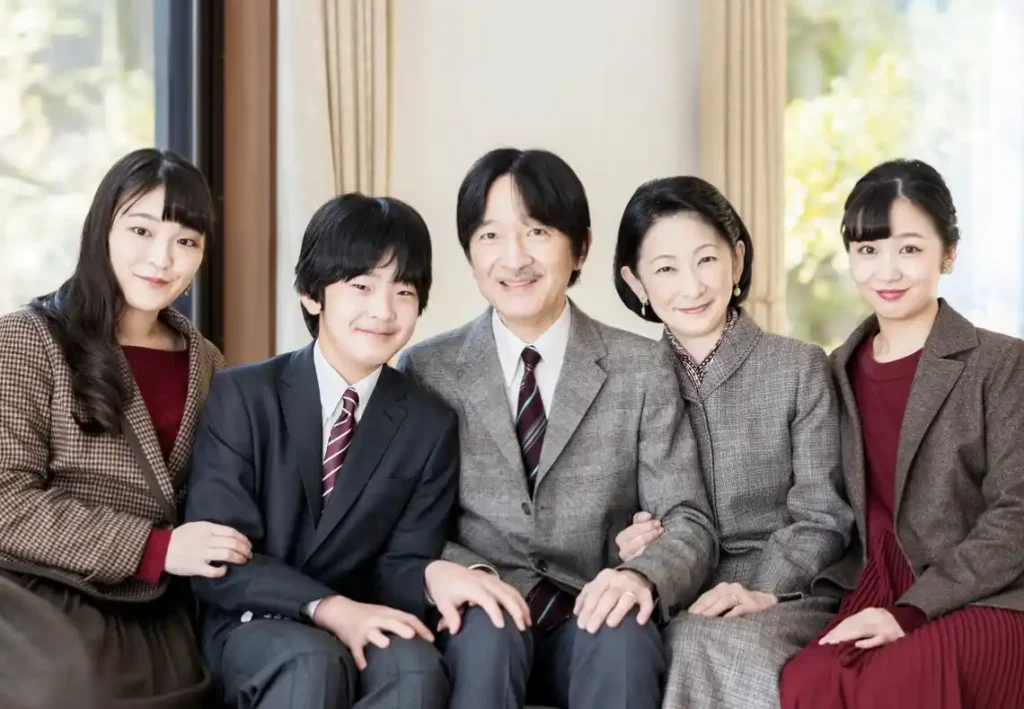
Prince Hisahito is the only son of Crown Prince Fumihito and Crown Princess Kiko, second in line to Japan’s throne. Known as the Dragonfly Prince, he may one day become emperor.
Why is Prince Hisahito called the Dragonfly Prince?
Prince Hisahito earned the title “Dragonfly Prince” for his fascination with insects, especially dragonflies, reflecting his deep interest in biology and environmental studies.
Why is Prince Hisahito important for Japan’s imperial succession?
Prince Hisahito is the only young male heir to the Chrysanthemum Throne. With Japan’s male-only succession law, he could be the last emperor if reforms are not made.
Could Prince Hisahito be Japan’s last emperor?
Yes. Because Japan restricts succession to male heirs and Hisahito is the only young male royal, he may become the final emperor unless succession laws change.
What does Prince Hisahito study?
Prince Hisahito is studying biology at the University of Tsukuba. His academic focus reflects his passion for insects, nature, and conservation, aligning with his Dragonfly Prince nickname.




 and then