








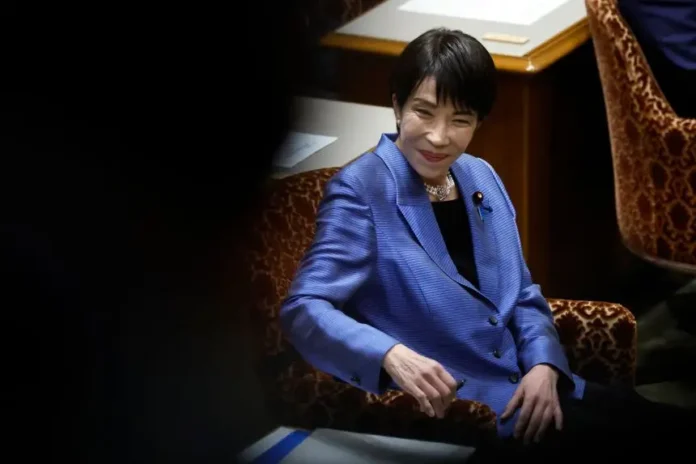
Sanae Takaichi has been reelected as Japan’s prime minister, solidifying her position as one of the world’s most powerful women. Her LDP supermajority enables decisive action on national defense, economic growth, and constitutional reforms, marking a historic moment in Japanese politics and global leadership.
KumDi.com
In February 2026, Sanae Takaichi was reelected as Japan’s prime minister, solidifying her position as one of the world’s most influential female leaders. Her Liberal Democratic Party (LDP) maintained a commanding supermajority in the lower house of parliament, giving her strong legislative control. This historic reelection not only marks continuity in Japan’s political leadership but also underscores her influence on the nation’s economic, security, and social policies.
Takaichi’s leadership is widely recognized for breaking gender barriers in a political system historically dominated by men. Her reelection ensures that Japan will continue to follow her agenda for modernization, defense reform, and strategic international engagement, shaping the country’s trajectory well into the coming decade.
Table of Contents
Who Is Sanae Takaichi?
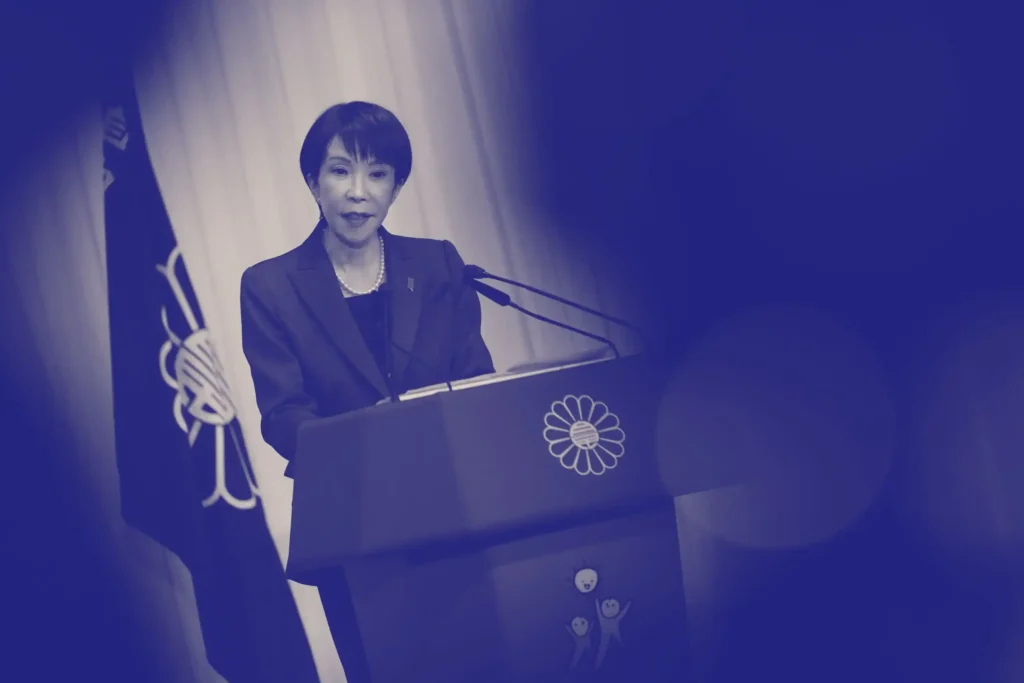
Sanae Takaichi is a seasoned politician with decades of experience in national governance. Rising through the ranks of the Liberal Democratic Party, she has held multiple cabinet positions, including ministerial roles in communications and internal affairs. In October 2025, she became Japan’s first female prime minister, marking a landmark achievement for gender representation in Japanese politics.
| Year | Milestone |
|---|---|
| 1993 | First elected to House of Representatives |
| 1995 | Joined the Liberal Democratic Party |
| 1996–2004 | Held junior government roles |
| 2003 | Lost seat, then returned in 2005 |
| 2021 | First LDP leadership bid |
| 2024 | Second leadership bid, narrow loss |
| Oct 4, 2025 | Elected LDP President |
| Oct 21, 2025 | Became first female PM of Japan |
| Feb 2026 | Reelected after snap election |
Takaichi is known for her conservative policy positions, emphasizing national security, economic resilience, and social stability. Her leadership style combines pragmatic policy execution with a focus on strategic long-term planning.
Key Outcomes of the 2026 Reelection
Takaichi’s reelection followed the general elections held in February 2026. Her party secured a supermajority in the House of Representatives, enabling smoother legislative action and reinforcing her mandate to pursue ambitious reforms. Key outcomes include:
- Parliamentary dominance: The LDP retains strong control over legislative processes, allowing for policy continuity.
- Cabinet continuity: Most ministers from her first term are expected to remain, ensuring stability in governance.
- Policy momentum: Reelection empowers Takaichi to advance her agenda on defense, economic revitalization, and constitutional reform.
Why Takaichi’s Reelection Matters
1. Breaking the Gender Barrier
Takaichi’s position as the first female prime minister is a historic milestone. Her leadership challenges traditional norms in Japanese governance and positions her as a global symbol of female political empowerment.
2. Strategic Leadership in National Security
Takaichi advocates for a more assertive defense posture. Her policies include strengthening Japan’s military capabilities, revising defense strategies, and expanding international security cooperation. These measures aim to modernize Japan’s Self-Defense Forces and enhance regional stability.
3. Economic Policy and Fiscal Management
Her administration emphasizes fiscal pragmatism, targeted economic stimulus, and consumer relief programs. Takaichi’s approach seeks to balance growth initiatives with long-term fiscal sustainability, addressing challenges such as Japan’s aging population and public debt.
4. Constitutional Reform
One of her most significant goals is amending Japan’s pacifist constitution, particularly Article 9, to formally recognize the Self-Defense Forces. Reelection with a parliamentary supermajority strengthens her capacity to pursue these reforms.
International Implications
Strengthening Alliances
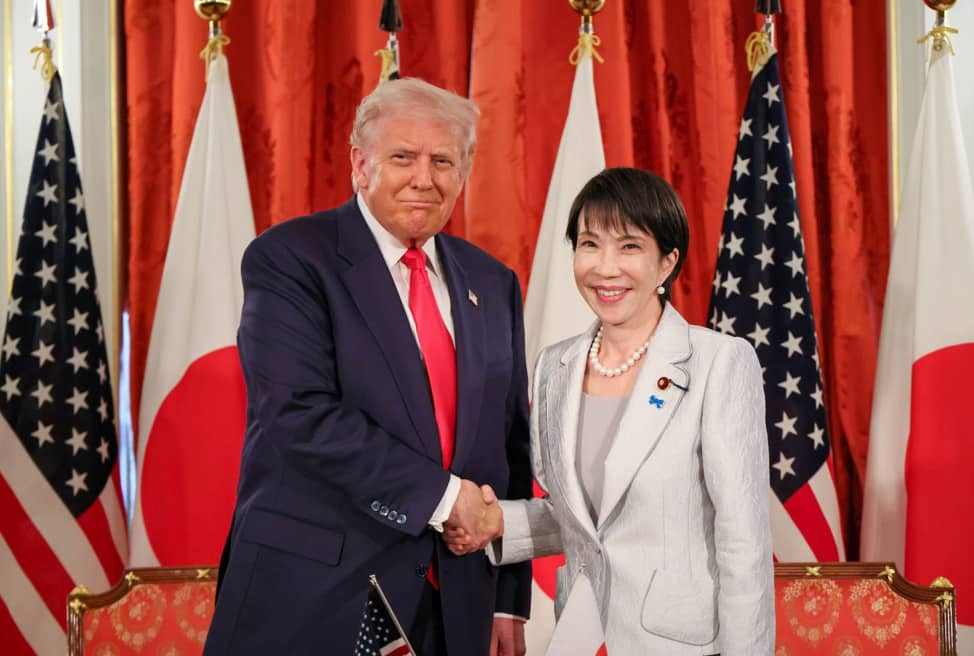
Takaichi prioritizes closer cooperation with the United States and regional partners, focusing on shared security interests, economic collaboration, and technological innovation.
Regional Security Posture
Her administration takes a firm stance on territorial defense and regional security, including proactive measures in response to geopolitical tensions in East Asia. These policies position Japan as a more assertive regional player while managing complex relationships with neighboring nations.
Global Recognition
Takaichi’s leadership is acknowledged worldwide for combining historic gender achievement with strategic governance, making her one of the most influential female leaders on the global stage.
Challenges Ahead
Despite her strong mandate, Takaichi faces several challenges:
- Economic constraints: High public debt and slow growth require careful fiscal planning to maintain stability while funding defense and social initiatives.
- Demographic pressures: Japan’s aging population and labor shortages make immigration and workforce policies critical yet politically sensitive.
- Social debate: Conservative positions on social issues, gender roles, and immigration may spark domestic and international discussions.
- Geopolitical risks: A more assertive defense stance may heighten tensions with neighboring countries, necessitating diplomatic finesse.
Expected Outcomes
Short-Term (2026–2027)
- Implementation of defense modernization programs.
- Economic measures to support households and stimulate growth.
- Continued engagement with global partners on security and trade.
Long-Term (Beyond 2027)
- Potential constitutional amendments to formalize Japan’s defense posture.
- Structural reforms in social and economic policies.
- Reinforced position of Japan as a regional leader in East Asia.
Conclusion
Sanae Takaichi’s reelection cements her as a transformative leader in Japan’s history. Combining historic gender significance with strategic policymaking, her administration is poised to shape Japan’s domestic and international trajectory through 2026 and beyond. Her leadership exemplifies the integration of continuity, innovation, and assertive governance, making her a central figure in global political discourse.
FAQs
Who is Sanae Takaichi, the reelected Japan leader?
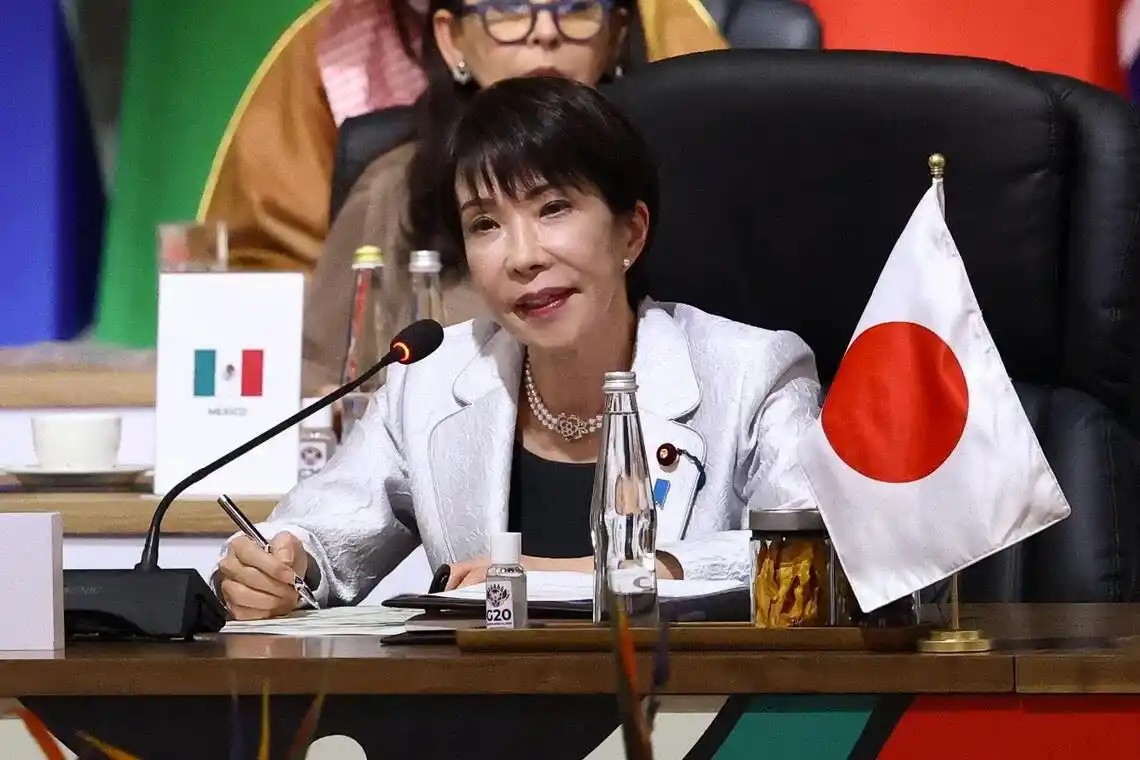
Sanae Takaichi is Japan’s first female prime minister, recently reelected in 2026. She leads the LDP with a supermajority, focusing on defense, economic growth, and constitutional reform.
What policies will Takaichi implement as Japan’s leader?
Takaichi plans to strengthen Japan’s national defense, advance economic strategies, and pursue constitutional amendments, reflecting her agenda as Japan’s most powerful female prime minister.
How did Takaichi achieve reelection in 2026?
Takaichi’s Liberal Democratic Party won a supermajority in the House of Representatives, allowing her to secure reelection and continue shaping Japan’s domestic and international policies.
Why is Takaichi considered one of the world’s most powerful women?
As Japan’s female prime minister with strong parliamentary control, Takaichi has significant influence over national policy, international relations, and global political recognition.
What is the impact of Takaichi’s reelection on Japan’s economy and security?
Her reelection enables decisive economic reforms, fiscal policies, and defense modernization, strengthening Japan’s domestic growth and regional security position in East Asia.


 and then