








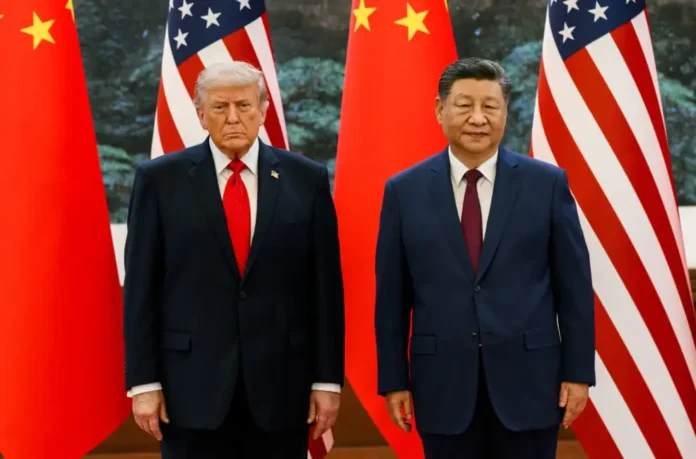

The 2026 meeting between Donald Trump and Xi Jinping focused on trade tariffs, AI technology restrictions, semiconductors, Taiwan security, supply chains, and economic stability. Experts believe the summit aimed to manage rising U.S.–China tensions while avoiding major economic or military escalation.
KumDi.com
The anticipated 2026 meeting between Donald Trump and Xi Jinping is widely viewed as one of the most consequential geopolitical events of the decade. The central issues reportedly discussed include trade tariffs, semiconductor restrictions, Taiwan security, artificial intelligence competition, military communication channels, rare earth supply chains, and the future of global economic stability.
While official statements from both governments emphasized “strategic stability” and “constructive engagement,” analysts across diplomacy, economics, defense, and technology policy believe the meeting was fundamentally about managing escalating U.S.–China rivalry without triggering economic or military confrontation. The meeting did not resolve core tensions, but it likely established temporary guardrails intended to reduce the risk of crisis through 2026 and beyond.
Table of Contents
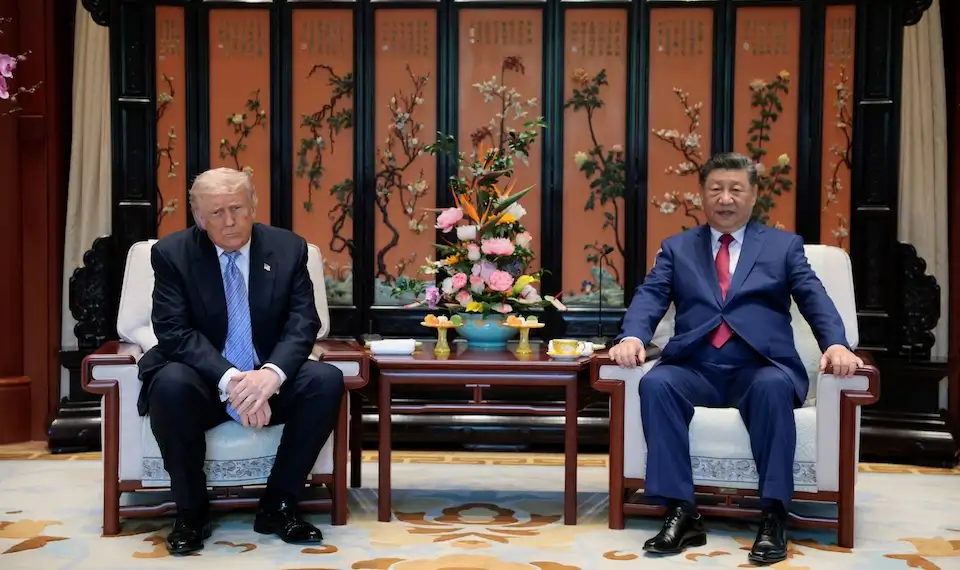
Why the Trump–Xi Meeting Matters in 2026
The relationship between the United States and China now shapes nearly every major global system:
- International trade
- Semiconductor manufacturing
- Artificial intelligence development
- Military balance in Asia
- Energy transition supply chains
- Global inflation and shipping costs
- Currency and financial stability
Unlike earlier decades focused primarily on trade, the 2026 meeting reflects a broader struggle over technological dominance, geopolitical influence, and national security.
Many governments, multinational corporations, investors, and supply-chain operators closely monitored the summit because even small policy shifts between Washington and Beijing can affect:
- Global stock markets
- Shipping rates
- Consumer electronics prices
- Industrial manufacturing
- Currency exchange stability
- Energy markets
The Main Topics Reportedly Discussed
1. Trade Tariffs and Economic Pressure
One of the central themes was trade normalization—or at least preventing further escalation.
Since the original U.S.–China trade war began during the Trump administration in 2018, tariffs on hundreds of billions of dollars in goods have remained largely intact. Businesses in both countries have experienced:
- Higher production costs
- Supply chain restructuring
- Increased uncertainty
- Reduced manufacturing predictability
Reports from policy observers suggest Trump pushed for:
- Greater Chinese purchases of U.S. goods
- Protection for American manufacturing
- Tighter trade reciprocity
- Reduced dependence on Chinese imports
China, meanwhile, likely sought:
- Reduced tariffs
- Eased technology restrictions
- More predictable U.S. policy
- Stabilized export access
Likely Outcome
Most analysts do not expect a full rollback of tariffs. Instead, the probable outcome is selective easing in sectors where inflation pressure hurts both economies.
Industries most likely affected include:
- Consumer electronics
- Automotive manufacturing
- Agricultural exports
- Industrial machinery
2. Semiconductor and AI Technology Restrictions
Technology competition was arguably the most important long-term issue discussed.
The United States has increasingly restricted China’s access to:
- Advanced AI chips
- Semiconductor fabrication tools
- High-performance computing systems
- Sensitive military-use technologies
These restrictions particularly impact companies connected to advanced AI infrastructure and chip manufacturing.
China views these measures as attempts to slow its technological rise, while the U.S. frames them as national security protections.
Why Semiconductors Matter
Modern semiconductors are essential for:
- Artificial intelligence
- Military systems
- Autonomous vehicles
- Cloud computing
- Smartphones
- Robotics
Control over chip manufacturing now represents strategic power comparable to oil dominance in the 20th century.
What May Happen Next
Experts expect:
- Continued U.S. export controls
- Increased Chinese investment in domestic chip manufacturing
- Accelerated “technology decoupling”
- Separate AI ecosystems emerging globally
This could create two partially independent technology worlds:
| U.S.-Aligned Ecosystem | China-Aligned Ecosystem |
|---|---|
| NVIDIA AI systems | Domestic Chinese AI chips |
| Western cloud providers | Chinese cloud infrastructure |
| U.S. semiconductor tools | State-backed alternatives |
| NATO-aligned cyber standards | China-centered digital standards |
3. Taiwan and Military Stability
Taiwan remains the most dangerous geopolitical issue between the two countries.
Taiwan is strategically critical because:
- It produces many of the world’s advanced semiconductors
- It sits at a key military position in the Pacific
- China considers it part of its territory
- The U.S. supports Taiwan’s defense capabilities
Analysts believe both leaders likely discussed:
- Avoiding accidental military conflict
- Naval encounters in the South China Sea
- Airspace tensions
- Crisis communication systems
Why This Matters Globally
A military conflict over Taiwan could disrupt:
- Global semiconductor supply chains
- International shipping
- Financial markets
- Energy transportation routes
Some economic studies estimate a Taiwan conflict could cost trillions of dollars globally.
Expected Near-Term Scenario
Most strategic experts believe neither side currently wants full-scale war. Instead, the more likely outcome is:
- Continued military signaling
- Economic pressure tactics
- Cyber competition
- Diplomatic maneuvering
However, tensions are expected to remain elevated throughout 2026.
4. Rare Earth Minerals and Supply Chains
Rare earth minerals have become a major strategic issue.
China controls significant portions of global rare earth processing used in:
- Electric vehicles
- Military hardware
- Wind turbines
- Smartphones
- Batteries
The United States and allies have increasingly attempted to diversify supply chains away from excessive dependence on China.
The meeting reportedly included discussions about:
- Critical mineral stability
- Export controls
- Manufacturing resilience
- Industrial security
Real-World Business Impact
Companies worldwide are already restructuring supply chains by expanding operations into:
This “China Plus One” strategy reduces dependence on a single manufacturing hub.
5. Currency, Debt, and Financial Stability
Another likely topic was financial stability amid slowing global growth.
China continues to face:
- Property sector weakness
- Local government debt concerns
- Youth unemployment pressures
- Slower export growth
The United States faces:
- High federal debt
- Persistent inflation concerns
- Political uncertainty
- Industrial competitiveness challenges
Both economies remain deeply interconnected despite strategic rivalry.
Key Financial Risks Discussed
Potential concerns likely included:
- Dollar stability
- Treasury market exposure
- Banking system risk
- Sanctions escalation
- Financial decoupling
Most economists believe both governments want to avoid severe financial disruption because the costs would be global.
What the Meeting Signals About the Future
A New Cold War—But Different
Many analysts describe the current U.S.–China relationship as a “new Cold War,” but the comparison is imperfect.
Unlike the U.S.–Soviet Cold War:
- The U.S. and China remain economically intertwined
- Trade volumes remain enormous
- Supply chains are deeply connected
- Consumer markets overlap globally
This creates a paradox:
The two countries are strategic rivals but also major economic partners.
What Businesses and Investors Are Watching
Global corporations are closely monitoring several indicators after the meeting.
Key Areas to Watch
1. Tariff Adjustments
Small tariff reductions could ease inflation and improve manufacturing margins.
2. AI Export Rules
New restrictions could reshape the global AI industry.
3. Taiwan Military Activity
Increased military exercises would raise geopolitical risk.
4. Rare Earth Export Policies
These directly affect electric vehicles and technology manufacturing.
5. Currency Stability
Sharp currency movements could impact global markets.
Possible Scenarios After the Meeting
Scenario 1: Managed Competition (Most Likely)
In this scenario:
- Trade tensions continue
- Military conflict is avoided
- Technology rivalry intensifies
- Economic ties partially remain
Most experts currently view this as the most probable path.
Scenario 2: Economic Reconciliation
This would involve:
- Reduced tariffs
- Expanded trade cooperation
- Relaxed technology restrictions
At present, this appears unlikely due to bipartisan security concerns in Washington and strategic priorities in Beijing.
Scenario 3: Escalation and Decoupling
This could include:
- Expanded sanctions
- Technology separation
- Financial restrictions
- Increased military pressure
While possible, both sides appear aware of the enormous economic consequences.
How This Affects Ordinary People
Even people far removed from geopolitics may feel the effects through:
- Higher electronics prices
- Shipping delays
- Stock market volatility
- Energy costs
- Automotive pricing
- Inflation changes
For example, semiconductor restrictions can influence the price and availability of:
- Smartphones
- AI services
- Gaming hardware
- Electric vehicles
Expert Assessment: What Really Happened?
The 2026 Trump–Xi meeting was likely less about solving disagreements and more about stabilizing an increasingly dangerous rivalry.
The core reality remains unchanged:
- The United States wants to preserve technological and strategic leadership.
- China wants greater economic and geopolitical influence.
- Neither side appears willing to fully retreat from these goals.
However, both governments also recognize that uncontrolled escalation could trigger severe global economic and security consequences.
The meeting therefore appears to have focused on establishing limits, managing competition, and preventing crisis escalation rather than achieving a comprehensive breakthrough.
Final Takeaway
The 2026 meeting between Donald Trump and Xi Jinping reflects a historic transition in global politics and economics. Trade, artificial intelligence, semiconductors, military security, and supply chains are now deeply interconnected.
The most likely outcome is not full cooperation or outright confrontation, but a prolonged period of managed strategic competition. Businesses, governments, and investors worldwide will continue adapting to a future shaped by selective decoupling, technological rivalry, and cautious diplomatic engagement.
Understanding this evolving relationship is essential because decisions made between Washington and Beijing increasingly influence everything from global inflation to AI innovation and international security.
FAQs
What was discussed in the 2026 Trump and Xi Jinping meeting?
The meeting reportedly focused on trade tariffs, semiconductor restrictions, artificial intelligence competition, Taiwan security, military communication, and global economic stability between the United States and China.
Why is the Trump–Xi meeting important for the global economy?
The U.S. and China are the world’s two largest economies. Their decisions influence global trade, inflation, supply chains, technology markets, shipping costs, and financial stability worldwide.
Did the 2026 summit reduce U.S.–China tensions?
The meeting may have helped stabilize diplomatic communication and reduce immediate escalation risks, but major disagreements over technology, trade, and Taiwan remain unresolved.
How could the meeting affect technology and AI industries?
Discussions around semiconductor exports and AI restrictions could shape future access to advanced chips, cloud computing, AI development, and global tech supply chains.
What is the most likely outcome after the Trump–Xi meeting?
Most experts expect continued strategic competition between the United States and China, with limited cooperation in trade and economic stability while rivalry in AI, semiconductors, and geopolitics continues.




 and then