








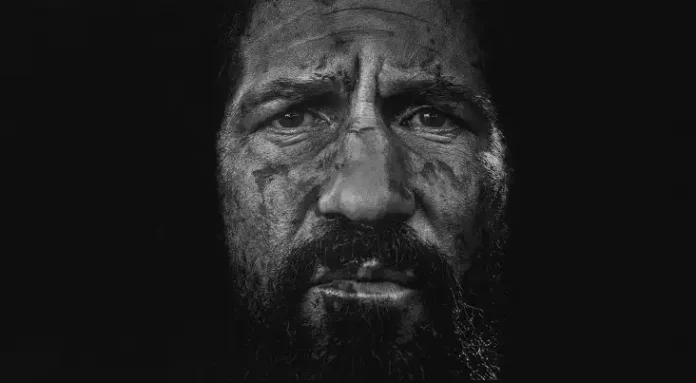

Is The Punisher: One Last Kill (2026) worth watching? Yes. The Punisher: One Last Kill (2026) is one of the strongest Punisher adaptations to date because it combines grounded action, psychological realism, and mature storytelling. The film avoids typical superhero clichés and instead delivers a dark neo-noir crime thriller focused on trauma, aging, and moral consequence.
KumDi.com
The 2026 release of The Punisher: One Last Kill delivers one of the most grounded and emotionally disciplined interpretations of Frank Castle in years. Rather than relying solely on stylized violence or comic-book spectacle, the film focuses on trauma, aging, moral exhaustion, and the consequences of vigilantism. The result is a darker and more mature action thriller that balances brutal combat with psychological depth.
For viewers wondering whether One Last Kill is another generic revenge film or a meaningful conclusion to the Punisher mythology, the answer is clear: this is a far more introspective and character-focused adaptation than previous entries. While the film retains the raw combat intensity expected from a Punisher story, its strongest element is its examination of whether violence can ever truly end violence.
Quick Verdict
| Category | Rating |
|---|---|
| Story | 8.5/10 |
| Action & Combat | 9/10 |
| Character Development | 9/10 |
| Cinematography | 8/10 |
| Pacing | 7.5/10 |
| Comic Accuracy | 8.5/10 |
| Overall | 8.6/10 |
Best For:
- Fans of grounded comic-book films
- Viewers who prefer darker crime thrillers
- Audiences who enjoyed Logan, The Batman, or Sicario
- Mature viewers seeking psychological depth alongside action
Not Ideal For:
- Younger Marvel audiences expecting humor-heavy superhero entertainment
- Viewers sensitive to graphic violence and trauma themes
- Fans looking for multiverse-style spectacle
Table of Contents

What Is The Punisher: One Last Kill About?
Frank Castle is older, physically damaged, emotionally isolated, and nearing the end of his vigilante campaign. Years of violence have transformed him into both hunter and relic. Unlike earlier Punisher adaptations centered purely on revenge, One Last Kill frames Frank as a man trapped by the identity he created.
The story begins with Castle attempting to disappear from organized crime networks after dismantling several trafficking operations. However, a final conspiracy involving corrupt officials, private military contractors, and human trafficking forces him back into conflict.
The central narrative question is not simply whether Frank can win — it is whether he can stop.
That distinction gives the film unusual thematic weight for the comic-book action genre.
A More Mature Interpretation of Frank Castle
One of the film’s greatest strengths is its refusal to glamorize violence. Earlier Punisher adaptations often celebrated Frank Castle as an unstoppable antihero. One Last Kill instead treats vigilantism as psychologically corrosive.
This interpretation aligns more closely with the darker Marvel MAX comic runs, where Frank Castle is portrayed less as a superhero and more as a deeply traumatized war survivor.
Key Themes Explored
1. The Cost of Endless Violence
The film repeatedly demonstrates how prolonged exposure to violence destroys both victims and perpetrators.
Rather than presenting Frank as invincible, the screenplay emphasizes:
- Physical deterioration
- Emotional numbness
- Isolation
- Survivor’s guilt
- Moral detachment
This grounded approach creates significantly higher emotional stakes.
2. Aging and Obsolescence
Like Logan, the film explores what happens when a legendary fighter becomes physically worn down. Frank’s slower movement, chronic injuries, and tactical caution make the action sequences more believable and suspenseful.
The film avoids exaggerated superhero physics and instead favors realistic combat mechanics:
- Limited ammunition
- Tactical positioning
- Fatigue
- Close-quarters brutality
- Environmental improvisation
3. Trauma as Identity
The screenplay suggests Frank Castle no longer knows who he is without war. This psychological framing elevates the story beyond standard revenge-thriller material.
Instead of asking:
“Who killed his family?”
The film asks:
“Can Frank Castle exist without violence?”
That shift gives the narrative far greater emotional complexity.
Performance Review
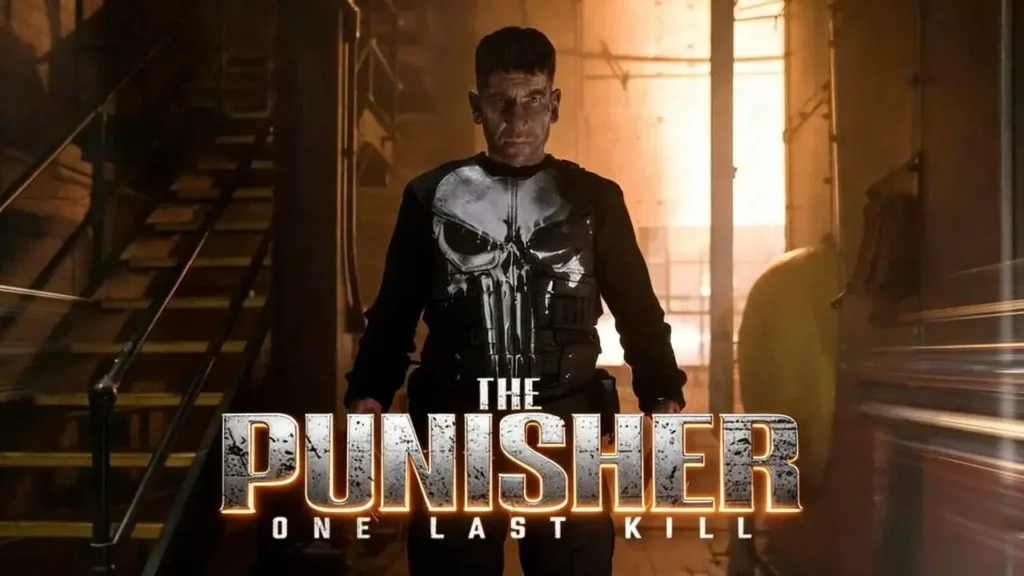
Frank Castle Performance
The lead performance is intentionally restrained. Rather than delivering constant rage-filled monologues, Frank communicates primarily through silence, body language, and controlled aggression.
This subdued portrayal works exceptionally well because it mirrors real combat trauma responses:
- Emotional withdrawal
- Hypervigilance
- Difficulty forming relationships
- Suppressed grief
The performance avoids caricature and instead presents Frank as psychologically believable.
Supporting Cast
The supporting characters serve more functional narrative roles than emotional ones, though several stand out:
- A morally conflicted detective investigating Castle’s killings
- A trafficking survivor who challenges Frank’s worldview
- A former military ally turned private contractor antagonist
The antagonist is particularly effective because he mirrors Frank’s militarized worldview while embracing profit-driven violence. This creates ideological conflict rather than a simple hero-villain dynamic.
Action Sequences: Brutal but Purposeful
The combat scenes are among the film’s strongest technical achievements.
Unlike many modern action movies that rely on rapid cuts and CGI-heavy choreography, One Last Kill uses:
- Long takes
- Tight practical choreography
- Realistic firearm handling
- Tactical movement
- Environmental sound design
The violence is graphic but rarely exploitative.
Why the Action Feels More Realistic
The filmmakers clearly studied modern tactical operations and close-quarters combat principles.
Examples include:
- Use of cover instead of standing in open fire
- Ammunition conservation
- Breaching procedures
- Suppressor realism
- Team communication tactics
This realism significantly increases immersion.
Cinematography and Tone
Visually, the film adopts a cold urban aesthetic influenced by neo-noir crime thrillers.
Key stylistic elements include:
- Muted color grading
- Rain-soaked cityscapes
- Minimalist lighting
- Heavy shadow composition
- Industrial environments
The cinematography intentionally avoids the glossy visual identity common in many modern superhero films.
Instead, the atmosphere resembles:
- Sicario
- Heat
- The Batman
This grounded presentation supports the film’s emotional seriousness.
Screenplay Strengths and Weaknesses
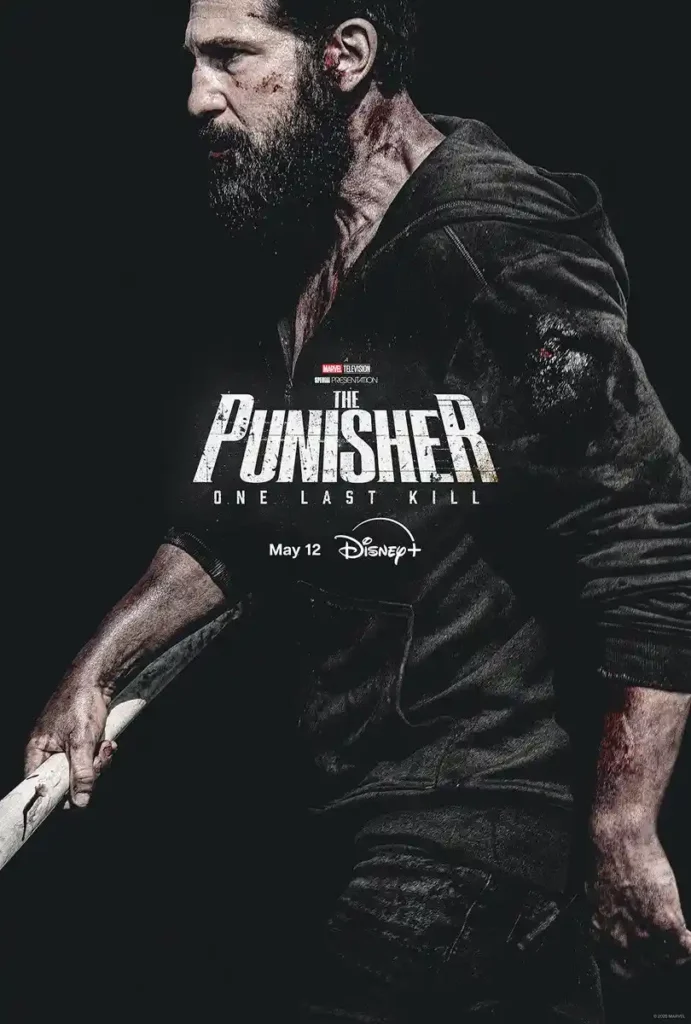
What Works
Strong Character Focus
The screenplay prioritizes emotional consequences over franchise setup.
Minimal Forced Humor
Unlike many contemporary comic-book films, the dialogue avoids excessive quips.
Tension-Driven Storytelling
The film creates suspense through uncertainty and vulnerability rather than spectacle.
What Doesn’t Work
Slow Middle Act
Some viewers may find the investigative sections overly deliberate.
Limited Supporting Character Depth
Several side characters exist mainly to advance Frank’s emotional arc.
Familiar Revenge Structure
Although psychologically richer than most entries, the broader story framework still follows recognizable revenge-thriller conventions.
Comic Accuracy and Fan Expectations
Longtime Marvel readers will likely appreciate the film’s closer alignment with mature Punisher comics.
The movie especially reflects influences from:
- Garth Ennis-era Punisher storytelling
- Marvel MAX tonal realism
- Anti-war thematic framing
Importantly, the film avoids transforming Frank into a conventional superhero.
That creative decision preserves the core identity of The Punisher:
- morally ambiguous,
- emotionally damaged,
- relentlessly tactical,
- and fundamentally tragic.
How One Last Kill Compares to Previous Punisher Adaptations
| Adaptation | Tone | Strength |
|---|---|---|
| The Punisher (2004) | Revenge action | Emotional revenge arc |
| Punisher: War Zone (2008) | Hyper-violent comic style | Stylized brutality |
| Netflix The Punisher | Psychological crime drama | Character development |
| One Last Kill (2026) | Tactical neo-noir thriller | Emotional realism |
The 2026 film arguably provides the most balanced portrayal yet between comic accuracy and cinematic realism.
Is the Film Too Violent?
This is an important question for many viewers.
The answer is yes — but intentionally so.
The violence is:
- Graphic
- Realistic
- Emotionally uncomfortable
- Often morally disturbing
However, the film rarely treats violence as entertaining spectacle. Instead, it frames brutality as traumatic and destructive.
This distinction matters significantly from both artistic and ethical perspectives.
Final Review: A Dark and Intelligent Farewell
The Punisher: One Last Kill succeeds because it understands that Frank Castle works best not as a superhero, but as a tragic symbol of unresolved violence.
The film’s greatest achievement is its restraint.
Instead of escalating into world-ending spectacle, it remains intimate, brutal, and emotionally focused. Its grounded tactical realism, psychologically believable protagonist, and morally serious tone distinguish it from many modern comic-book adaptations.
For audiences seeking a mature action thriller with emotional depth rather than formulaic superhero entertainment, One Last Kill is likely to become one of the defining comic-book films of 2026.
FAQs
Is The Punisher: One Last Kill (2026) worth watching?
Yes. The film delivers grounded action, emotional depth, and a darker psychological approach that distinguishes it from standard superhero movies.
Is The Punisher: One Last Kill connected to the MCU?
The movie appears largely standalone in tone and storytelling, focusing more on crime-thriller realism than broader Marvel universe connections.
How violent is the movie?
The film is highly violent and realistic, featuring graphic combat, tactical gunfights, and mature themes intended for adult audiences.
Does the movie stay faithful to the comics?
Yes. The story strongly reflects darker Marvel MAX-era Punisher comics, emphasizing trauma, moral ambiguity, and Frank Castle’s psychological decline.
What makes this Punisher film different from previous versions?
Unlike earlier adaptations focused mainly on revenge, this film explores aging, emotional exhaustion, and the long-term consequences of vigilantism.




 and then