








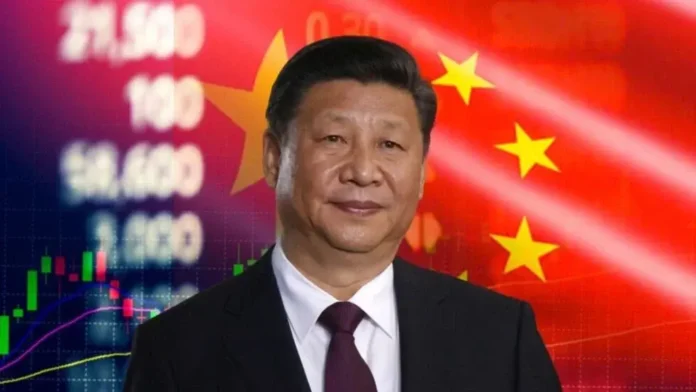

In recent discussions surrounding global economics, the focus has shifted towards the potential ramifications of China’s trade policies under President Xi Jinping. Analysts and former officials warn that Xi’s strategic approach to manufacturing and trade could pose significant risks to the global economy, overshadowing other geopolitical tensions, including tariffs imposed by the United States. This article delves into the intricate relationship between China’s economic strategies and their implications for the world, exploring various facets of this complex issue.
Understanding the Current Landscape of Global Trade
The Rise of China’s Manufacturing Power
China has emerged as a manufacturing powerhouse over the past few decades, fundamentally altering the global trade landscape. The country’s ability to produce goods at scale has led to a significant increase in exports, creating a trade dynamic that many experts describe as lopsided. This shift is not merely a byproduct of globalization; it is a result of deliberate policies aimed at enhancing China’s industrial capabilities.
- Export Surge: Recent data indicates that China’s exports have surged by over $150 billion in recent years, while imports of manufactured goods have remained relatively stagnant, increasing by only $15 billion annually.
- Manufacturing Dominance: China now accounts for two-thirds of the global demand for vehicles and produces over half of the world’s steel and aluminum. This dominance in manufacturing has implications not just for trade balances but also for global supply chains.
The Impact of Xi Jinping’s Policies
President Xi Jinping’s leadership has been marked by a focus on strategic economic planning, which some analysts argue distorts global trade dynamics. His administration’s policies prioritize industrial growth and export expansion, often at the expense of other economies.
- Investment Over Consumption: Instead of rebalancing the economy towards consumer spending, Xi’s government has continued to invest heavily in infrastructure and real estate. This approach has led to overproduction and a reliance on foreign markets to absorb excess supply.
- Political Ramifications: The concentration of manufacturing capabilities in China creates vulnerabilities for other nations, making them dependent on Chinese goods while leaving them susceptible to political and economic pressures from Beijing.
The Unpredictability of U.S. Trade Policies
Tariffs and Their Consequences
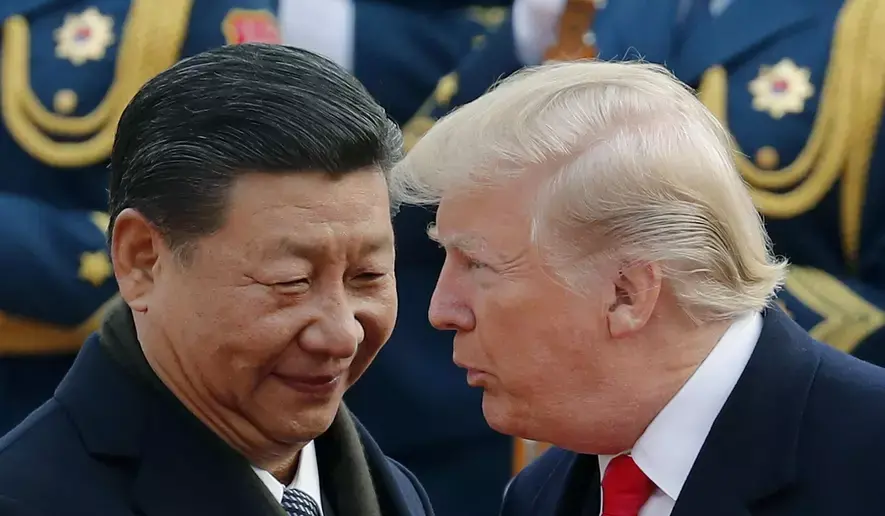
The trade policies of the United States, particularly under former President Donald Trump, have added layers of complexity to the global economic landscape. Trump’s administration adopted an aggressive stance towards China, implementing tariffs on various goods in an attempt to curb what was perceived as unfair trade practices.
- Short-Term Solutions: While tariffs were intended to protect American industries, experts like Brad Setser argue that they could exacerbate existing problems rather than solve them. The unpredictability of U.S. trade policies creates uncertainty for businesses and international partners.
- Global Repercussions: Trump’s tariffs have not only affected U.S.-China relations but also had ripple effects on global trade, influencing how countries engage with one another and adjust their own policies in response.
The Dangers of a One-Way Trade Street
Setser emphasizes that trade with China has become increasingly one-sided. As countries like Germany and Japan rely on exports to China, they find themselves at a disadvantage due to the country’s overwhelming manufacturing capacity.
- Economic Disparities: The imbalance in trade flows means that while China enjoys a surplus, other nations face challenges in maintaining their economic health. This disparity can lead to increased tensions and potential conflicts in international relations.
- Vulnerability to Market Shifts: Countries that depend heavily on Chinese imports may find themselves vulnerable to shifts in China’s economic policies, which can have immediate impacts on their own economies.
The Role of Global Economic Policies
The Need for Rebalancing
The need for a more balanced approach to global trade has never been more critical. As China’s manufacturing continues to dominate, other nations must find ways to adapt and ensure that their economic interests are protected.
- Diversification of Supply Chains: Countries are increasingly seeking to diversify their supply chains to reduce dependence on China. This shift not only mitigates risks but also encourages the development of local industries.
- Collaborative Approaches: Nations may benefit from collaborating on trade policies that promote fair competition and equitable growth, ensuring that no single country can dictate the terms of trade.
The Future of International Trade Agreements
As the global economy evolves, so too must international trade agreements. The current landscape requires a re-evaluation of existing treaties to address the challenges posed by China’s economic strategies.
- New Trade Frameworks: Policymakers are exploring new frameworks that prioritize fair trade practices and address issues such as intellectual property theft and currency manipulation.
- Strengthening Alliances: Countries may look to strengthen alliances with one another to create a united front against unfair trade practices, fostering an environment where equitable trade can flourish.
The Geopolitical Implications of Economic Strategies
The Intersection of Economy and Politics
The interplay between economic policies and geopolitical strategies is becoming increasingly evident. As Xi Jinping continues to assert China’s influence on the global stage, other nations must navigate the complexities of this relationship.
- Military Considerations: The potential for economic conflicts to escalate into military tensions is a concern for many analysts. The U.S. military’s focus on countering China’s influence in the Indo-Pacific region highlights the interconnectedness of these issues.
- Diplomatic Challenges: Diplomatic relations between China and other nations are often influenced by economic considerations, making it essential for countries to approach these discussions with a comprehensive understanding of the implications.
The Global Response to China’s Dominance
In response to China’s growing economic power, nations are beginning to formulate strategies that address the challenges posed by its dominance.
- Regional Partnerships: Countries in the Indo-Pacific region are exploring partnerships to counterbalance China’s influence, fostering economic cooperation and security alliances.
- Investment in Innovation: To compete with China’s manufacturing capabilities, other nations are investing in innovation and technology to create competitive advantages in emerging industries.
The Economic Consequences of Xi’s Decisions
The Risk of Overproduction
One of the significant challenges stemming from China’s economic policies is the risk of overproduction, which can lead to economic instability both domestically and globally.
- Deflationary Pressures: As China produces more than it can consume, there is a risk of deflation, which can have cascading effects on the global economy. Lower prices may lead to reduced profits for companies worldwide, impacting investment and growth.
- Job Losses and Factory Closures: The overproduction dilemma not only affects China but also has the potential to cause job losses in other countries that compete with Chinese goods, further straining international relations.
The Long-Term Outlook
The long-term implications of Xi Jinping’s economic strategies remain uncertain. While China continues to assert its dominance, other nations must adapt to the evolving landscape.
- Sustainable Growth: For China to maintain its growth trajectory, it must find ways to stimulate domestic consumption and reduce reliance on exports. This shift is essential for creating a more balanced global economy.
- Global Cooperation: The future of the global economy will depend on cooperation among nations to address the challenges posed by economic imbalances and ensure that trade remains a force for good.
The Potential for Change
Opportunities for Reform
While the current landscape presents challenges, there are also opportunities for reform that can lead to a more equitable global economy.
- Engaging in Dialogue: Countries must engage in open dialogues to address concerns related to trade imbalances and seek collaborative solutions that benefit all parties involved.
- Investing in Education and Workforce Development: By investing in education and workforce development, nations can enhance their competitive edge, enabling them to thrive in an increasingly interconnected world.
The Role of Technology
Technology will play a pivotal role in shaping the future of global trade and economic relationships.
- Digital Trade: The rise of digital trade presents opportunities for countries to engage in commerce without the constraints of traditional supply chains, fostering innovation and growth.
- Automation and Efficiency: As companies adopt automation and improve efficiency, they can compete more effectively with Chinese manufacturers, leveling the playing field.
Conclusion: Navigating a Complex Future
In conclusion, the global economic landscape is being reshaped by the interplay of China’s manufacturing policies and the reactions of other nations. As Xi Jinping’s strategies continue to evolve, the potential risks and opportunities for the global economy must be carefully considered. By fostering collaboration, embracing innovation, and engaging in open dialogue, countries can work towards a more balanced and equitable economic future. The challenges ahead are significant, but with a proactive approach, the global community can navigate this complex terrain and emerge stronger.
FAQs
1. What impact has Xi Jinping had on the global economy?
Xi Jinping’s policies have introduced significant shifts in trade dynamics, investment patterns, and geopolitical tensions, with implications for global markets and economic stability.
2. How do Trump tariffs relate to Xi Jinping’s influence?
While Trump’s tariffs created short-term economic tensions, Xi Jinping’s broader policies and leadership have long-term impacts, particularly through China’s economic strategies and international relations.
3. What are the risks associated with Xi Jinping’s economic strategies?
Xi’s approach, including heavy state intervention, tight control over markets, and push for technological dominance, can destabilize global markets, especially in sectors reliant on China.
4. How does China’s economic growth under Xi affect other countries?
China’s continued growth, bolstered by Xi’s policies, has caused shifts in trade relationships, with some countries benefiting from new markets, while others face trade imbalances and competition.
5. Could Xi Jinping’s actions lead to a global economic crisis?
While it’s hard to predict, many experts believe Xi’s tight control over China’s economy, combined with rising tensions with other nations, could exacerbate global economic vulnerabilities.




 and then