








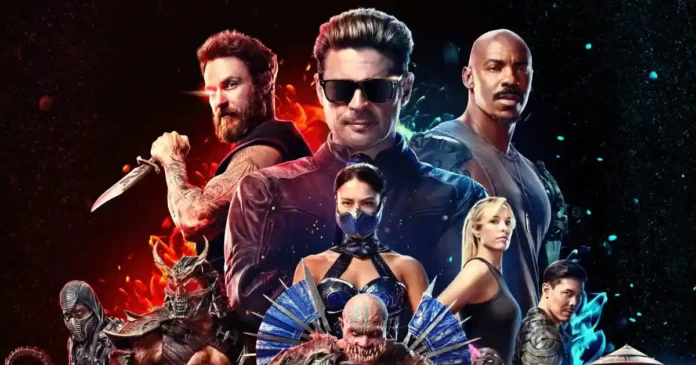

Is Mortal Kombat II better than the 2021 Mortal Kombat movie? Yes. Mortal Kombat II improves on the 2021 film through stronger fight choreography, better use of iconic characters, more tournament-focused storytelling, improved pacing, and greater faithfulness to the original game franchise.
KumDi.com
The 2026 release of Mortal Kombat II delivers what fans of the franchise have wanted for decades: a brutal, tournament-focused action film that finally embraces the mythology, characters, and spectacle of the legendary fighting game series without apology. Unlike many earlier video game adaptations that struggled with tone or narrative identity, this sequel understands its audience while also improving cinematic structure, pacing, and character development.
For viewers searching whether Mortal Kombat II is worth watching, the short answer is yes—especially for longtime franchise fans, action enthusiasts, and audiences interested in modern game-to-film adaptations. The movie significantly improves on the 2021 reboot through stronger choreography, better use of iconic characters, more coherent lore integration, and higher production confidence. However, its dense fan service and relentless violence may limit accessibility for viewers unfamiliar with the franchise.
Table of Contents

What Is Mortal Kombat II About?
Mortal Kombat II continues the story established in the 2021 reboot, expanding the conflict between Earthrealm and Outworld while finally moving closer to the iconic Mortal Kombat tournament itself. The narrative centers on Earthrealm’s fighters assembling against escalating threats led by Shao Kahn and Outworld’s forces.
The film incorporates many fan-favorite characters from the game franchise, including:
- Johnny Cage
- Kitana
- Scorpion
- Sub-Zero
- Liu Kang
- Raiden
- Shao Kahn
Unlike the previous film, which spent considerable time establishing lore and introducing the “arcana” concept, the sequel moves faster into combat-driven storytelling. This shift aligns more closely with the pacing and structure fans expect from the game universe.
Quick Verdict
| Category | Rating |
|---|---|
| Action & Fight Choreography | Excellent |
| Story Structure | Good |
| Fan Service | Outstanding |
| Character Development | Improved |
| Accessibility for New Viewers | Moderate |
| Visual Effects | Strong |
| Overall Recommendation | Highly Recommended for Action/Game Fans |
Why Mortal Kombat II Works Better Than the 2021 Film
One of the biggest criticisms of the 2021 reboot was its decision to avoid the actual tournament for most of the runtime. Many viewers felt the movie functioned more like a prologue than a complete story. Mortal Kombat II corrects this issue by embracing the franchise’s core identity.
1. Better Understanding of the Source Material
The sequel demonstrates a noticeably stronger understanding of what makes Mortal Kombat culturally significant:
- Distinct fighters with unique styles
- High-stakes tournament combat
- Mythological fantasy elements
- Graphic fatalities
- Rivalries driven by honor, revenge, and survival
Rather than treating the game mythology as something that needs modernization or dilution, the film leans into it confidently.
This approach mirrors successful modern adaptations such as:
- The Last of Us
- Sonic the Hedgehog
- Arcane
These productions succeeded because they respected established fan expectations while improving narrative cohesion for broader audiences.
2. Stronger Fight Choreography
The fight choreography is arguably the film’s greatest strength.
Combat scenes are:
- More readable
- Less over-edited
- Better paced
- Character-specific
Each fighter moves differently according to their in-game identity. This matters because martial arts storytelling depends heavily on visual distinction.
For example:
- Scorpion fights with aggressive, chain-based offense
- Sub-Zero uses defensive spacing and ice manipulation
- Johnny Cage blends Hollywood arrogance with flashy athleticism
The choreography avoids a common modern action-film problem: excessive shaky-cam editing that obscures movement.
Performance and Casting Analysis
Johnny Cage Steals the Film
The introduction of Johnny Cage provides much-needed charisma and tonal balance.
Historically, Mortal Kombat narratives risk becoming overly serious or self-important. Johnny Cage functions as both comic relief and audience surrogate, helping maintain pacing during lore-heavy moments.
His inclusion significantly improves:
- Dialogue rhythm
- Team dynamics
- Humor
- Emotional contrast
This is important because high-intensity action films require tonal variation to prevent fatigue.
Villains Feel More Threatening
A major improvement lies in antagonist presentation.
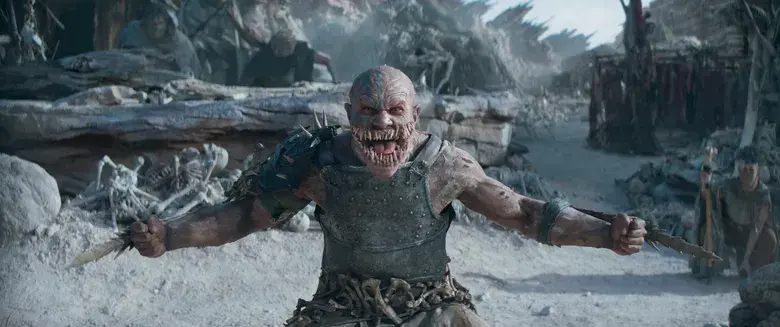
Shao Kahn is portrayed with substantially greater menace than many prior live-action adaptations. The character’s physical scale, armor design, and battlefield presence communicate immediate danger.
In effective action storytelling, villains must appear capable of overwhelming protagonists physically and psychologically. The film succeeds here by:
- Establishing clear stakes
- Demonstrating destructive capability early
- Reducing comedic undermining of villains
This creates stronger narrative tension throughout the film.
Visual Effects and Production Design
The visual presentation is ambitious without becoming visually incoherent.
Strengths Include:
- Faithful costume adaptation
- Detailed arena environments
- Improved CGI integration
- Strong practical effects during combat
The film wisely avoids excessive realism. Mortal Kombat has always existed within exaggerated fantasy logic, and the sequel preserves this identity.
Arena Design Matters
The tournament environments deserve special recognition because they enhance immersion and storytelling.
Well-designed combat spaces:
- Reinforce character themes
- Improve visual variety
- Support action readability
- Reduce repetitive pacing
Examples include:
- Ancient temple arenas
- Industrial Outworld structures
- Lava-filled battlegrounds
- Dimensional fantasy landscapes
These settings help the movie feel larger in scale than the 2021 film.
Violence, Fatalities, and Audience Expectations
One defining aspect of the Mortal Kombat franchise is graphic violence. The sequel fully embraces this reputation.
The fatalities are:
- More frequent
- More recognizable from the games
- More technically polished
- More creatively staged
For fans, this authenticity is a major strength.
However, casual viewers should understand that the film maintains an intentionally extreme level of violence. This includes:
- Graphic dismemberment
- Bone-breaking sequences
- Explosive gore effects
- Stylized executions
The violence is exaggerated and fantasy-oriented rather than realistic, but it remains intense.
Is Mortal Kombat II Good for Non-Fans?
This depends largely on viewer expectations.
Viewers Likely to Enjoy the Film
- Fighting game fans
- Martial arts movie audiences
- Action fantasy enthusiasts
- Longtime Mortal Kombat players
- Viewers interested in game adaptation evolution
Viewers Who May Struggle
- Audiences seeking grounded realism
- People unfamiliar with fantasy action lore
- Viewers sensitive to graphic violence
- Those preferring character drama over spectacle
The film prioritizes momentum and fan payoff over accessibility. While newcomers can still follow the core plot, some emotional impact depends on familiarity with franchise rivalries and mythology.
How Mortal Kombat II Reflects Modern Video Game Cinema
The movie also represents a broader industry trend: video game adaptations are no longer automatically low-quality productions.
Historically, adaptations often failed because studios:
- Ignored source material
- Simplified lore excessively
- Misunderstood fan culture
- Prioritized branding over storytelling
Modern adaptations increasingly involve:
- Franchise consultants
- Fan-oriented writing
- Higher production investment
- Long-form universe planning
This evolution reflects the growing cultural influence of gaming as mainstream entertainment.
The success of franchises like:
- Fallout
- The Super Mario Bros. Movie
- Cyberpunk: Edgerunners
demonstrates that audiences now expect adaptations to respect original identity rather than reinvent it completely.
Mortal Kombat II benefits directly from this industry shift.
Technical Review Breakdown
Cinematography
The camera work improves substantially during combat sequences. Wider framing allows audiences to appreciate choreography rather than merely infer action through rapid cuts.
Sound Design
Impact sounds are exaggerated intentionally, reinforcing the arcade-like brutality associated with the franchise.
Music
The soundtrack balances nostalgia with modern cinematic scoring. Legacy musical cues are used strategically rather than excessively.
Pacing
The film moves faster than its predecessor, though some middle sections still rely heavily on exposition.
Common Criticisms
Despite its strengths, the movie is not flawless.
1. Lore Density
New viewers may feel overwhelmed by:
- Realm politics
- Character histories
- Mythological terminology
2. Uneven Character Attention
Some fan-favorite fighters receive limited screen time due to the large ensemble cast.
3. Dialogue Variability
While improved overall, certain scenes still rely on functional exposition rather than emotionally nuanced writing.
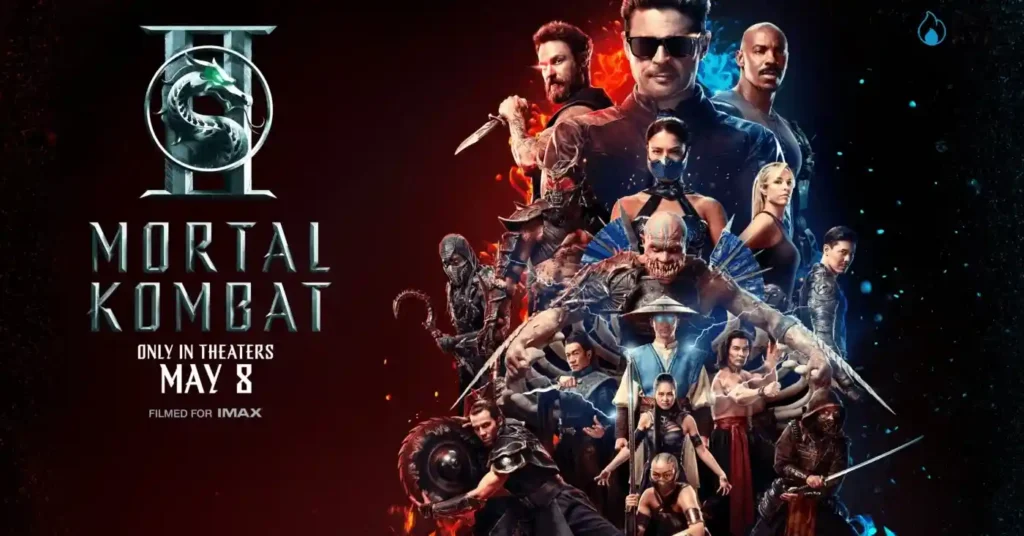
Final Review: Is Mortal Kombat II Worth Watching?
Yes—particularly for viewers who want a faithful, energetic, and unapologetically violent adaptation of the iconic fighting franchise.
Mortal Kombat II succeeds because it stops resisting what Mortal Kombat fundamentally is:
- Spectacle-driven martial arts fantasy
- Mythological tournament combat
- Stylized violence
- Character rivalry storytelling
The film may not convert every skeptical viewer, but it represents one of the strongest live-action video game adaptations in the action genre to date.
For franchise fans, it delivers long-awaited payoff. For the broader film industry, it signals continued maturation in how game properties are adapted for cinema.




 and then