








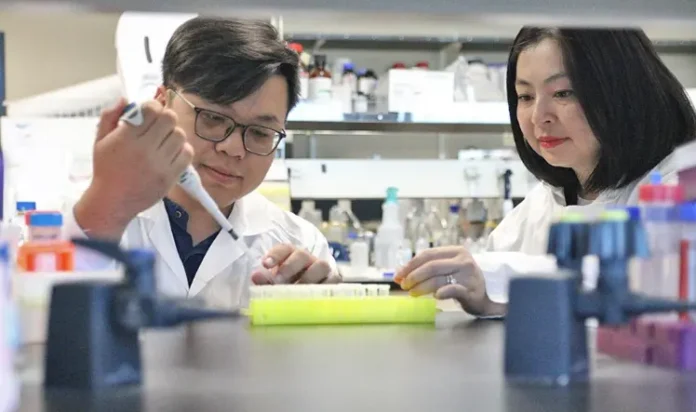

Scientists have discovered how plants naturally produce a rare cancer-fighting compound. This breakthrough identifies the enzymes that form the molecule, paving the way for sustainable drug production and advanced cancer therapies inspired by nature’s own chemical design.
KumDi.com
Scientists have cracked the code behind a rare cancer-fighting compound, revealing the natural process plants use to create powerful anti-tumor molecules. This discovery not only unravels a biological mystery but also opens the door to sustainable cancer treatment innovations using nature’s molecular blueprint.
Table of Contents
Nature’s Hidden Treasure
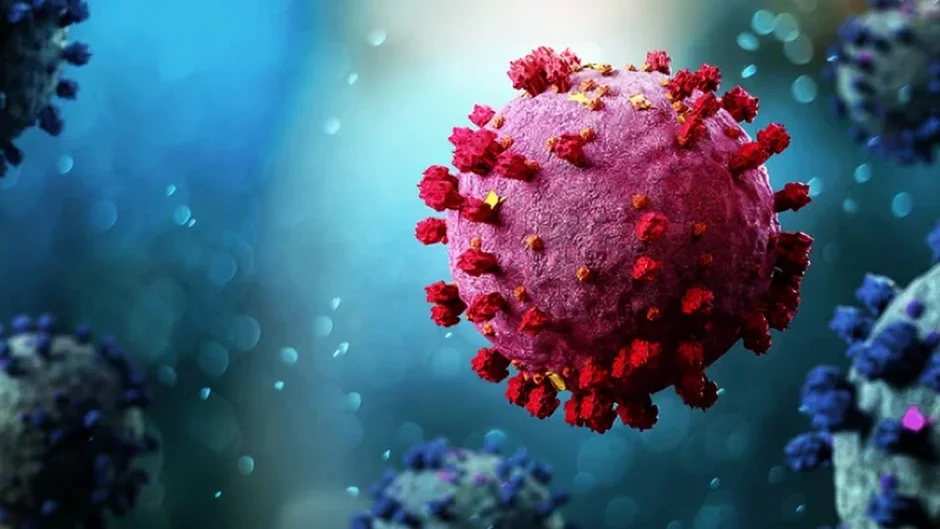
The focus of this breakthrough is a molecule known as mitraphylline, part of a rare family of naturally occurring compounds called spirooxindole alkaloids. These molecules possess unusual three-dimensional structures that make them biologically powerful but extremely difficult to reproduce in laboratories.
For decades, researchers have been intrigued by mitraphylline because of its anti-tumor, anti-inflammatory, and immune-modulating properties. It is found only in tiny amounts in a few tropical tree species, which makes extraction impractical and expensive. Scientists have long suspected that if they could understand how plants manufacture such molecules, they could harness or replicate the process — but the details remained a mystery.
Cracking the Molecular Code
The turning point came when a research team successfully identified the precise enzymes that plants use to assemble mitraphylline from simpler building blocks. Enzymes are nature’s molecular machines — specialized proteins that guide chemical reactions with astonishing speed and precision.
In this case, two previously unknown enzymes were found to play a crucial role:
- The first enzyme determines the three-dimensional configuration of the molecule, shaping how atoms are linked and oriented.
- The second enzyme performs the final transformation, locking the molecule into its stable, biologically active form.
This discovery solves a long-standing scientific puzzle. It reveals exactly how plants twist and fold their molecules into the complex spiro-like architecture that gives mitraphylline its powerful medicinal activity.
Why It Matters
Understanding this natural pathway is far more than a scientific curiosity — it’s a potential revolution in drug discovery and sustainable manufacturing.
1. Sustainable Production
Because natural sources yield only trace amounts of mitraphylline, researchers have faced enormous challenges in obtaining enough material for study or medical use. Now that the key enzymes are known, scientists can reproduce the compound in engineered microorganisms or plant cells, bypassing the need to harvest rare tropical trees. This represents a cleaner, greener, and more scalable production method — a vital step toward environmentally responsible pharmaceuticals.
2. A New Avenue for Cancer Treatment
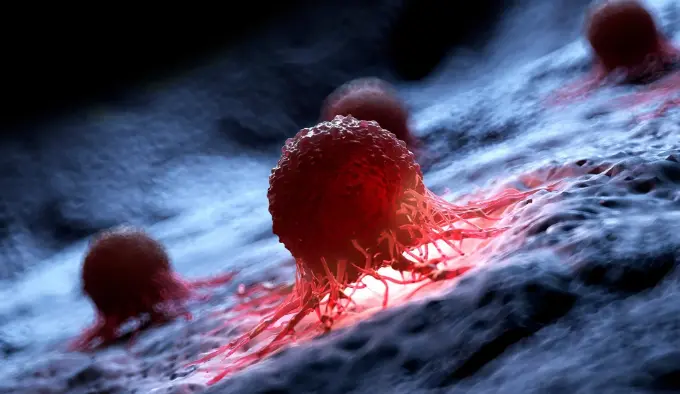
Mitraphylline’s unique molecular shape allows it to interact selectively with biological targets related to tumor growth and inflammation. Laboratory experiments have shown its ability to inhibit cancer cell proliferation and trigger programmed cell death (apoptosis) in certain cancer lines. With the biosynthetic pathway revealed, researchers can now design and test structural analogues — slightly modified versions of the molecule that could be even more potent and specific in their action.
3. Expanding Nature’s Chemical Toolbox
This discovery also enhances our general understanding of how nature builds complex molecules. By mapping the genetic and enzymatic instructions plants use, scientists gain insight that can be applied to thousands of other natural compounds with medicinal potential. Each new pathway decoded enriches the blueprint for the next generation of drugs — not invented from scratch, but inspired directly by nature.
Inside the Discovery
The research combined multiple scientific disciplines:
- Genomics to decode the plant’s DNA and identify gene clusters responsible for alkaloid biosynthesis.
- Biochemistry to express and test the function of candidate enzymes in laboratory systems.
- Molecular modeling to visualize how the enzymes fold and manipulate chemical intermediates.
- Analytical chemistry to confirm the structure of the resulting compounds.
The result is a detailed enzymatic “assembly line” that transforms small, simple molecules into a highly complex, biologically active drug candidate — a process that had remained hidden in nature for millennia.
From Lab to Medicine
Although this discovery is a major step, there is still a long road between understanding how a molecule is made and turning it into an approved cancer therapy. The next stages include:
- Scaling up production – Using the newly identified enzymes to engineer bacteria, yeast, or plant cells that can produce mitraphylline in sufficient quantities for testing.
- Purification and formulation – Developing efficient extraction and stabilization methods for pharmaceutical use.
- Pre-clinical studies – Evaluating the compound’s safety, bioavailability, and anti-cancer activity in cell cultures and animal models.
- Clinical trials – Testing its effectiveness and safety in human patients through a multi-phase process that could take several years.
- Regulatory approval and commercialization – Navigating the final stages of turning a natural molecule into a marketable, life-saving drug.
If successful, this path could produce not only mitraphylline-based medicines but also a framework for discovering and manufacturing other rare natural compounds that were once beyond reach.
The Broader Significance
This achievement represents a powerful example of how biotechnology can unlock the potential of natural products. Instead of depending on destructive harvesting or synthetic chemistry, scientists can now read nature’s “genetic instructions” and re-create its chemistry sustainably in the lab.
It also underscores a shift in pharmaceutical innovation: researchers are increasingly looking back to nature for inspiration while using cutting-edge genomic and computational tools to go beyond what evolution produced. The fusion of traditional plant knowledge with modern molecular science is giving rise to a new era of bio-inspired medicine.
Hope and Caution
While the discovery has generated enormous excitement, experts emphasize that mitraphylline is not yet a proven cancer treatment. Its mechanism of action, safety profile, and clinical benefits must still be validated through rigorous research. However, unlocking its biosynthetic pathway is a decisive first step — the key that makes further exploration possible.
As one researcher put it, nature often provides the starting point, not the final product. But once the genetic and enzymatic “recipe” is known, science can refine and optimize it, creating safer and more effective versions that serve human needs.
What It Means for the Future
The implications of this discovery reach far beyond one compound:
- For cancer research, it introduces a new chemical scaffold for drug design — potentially leading to therapies that attack tumors through novel biological mechanisms.
- For green chemistry, it demonstrates that biotechnology can replace environmentally damaging synthesis with sustainable, bio-based manufacturing.
- For medicine as a whole, it highlights the enormous untapped potential lying hidden in the genomes of plants, waiting to be decoded.
The story of mitraphylline shows that nature’s molecular creativity is still far ahead of human chemistry — but we’re learning fast. Every newly discovered enzyme, every decoded pathway, is another step toward understanding and emulating the world’s greatest chemist: nature itself.
Conclusion
By unraveling the molecular code behind mitraphylline, scientists have taken a bold step toward a future where rare, life-saving compounds can be produced sustainably and at scale. The discovery bridges ancient botanical knowledge with modern genetic science — a union that could transform cancer treatment and redefine the boundaries of natural medicine.
Nature may hold countless secrets to healing. Now, with the right tools and persistence, humanity is finally learning how to read them.
FAQs
What is the rare cancer-fighting compound scientists discovered?
Scientists identified a rare plant-based cancer-fighting compound known as mitraphylline. It shows strong anti-tumor and anti-inflammatory effects, and understanding its biosynthesis allows researchers to produce it sustainably for future cancer treatment innovation.
How did scientists crack the code behind the compound?
Researchers decoded the plant’s enzyme pathway that builds the compound. By identifying two key enzymes, they revealed how nature creates the rare cancer-fighting compound, enabling laboratory replication and sustainable drug production.
Why is this discovery important for cancer treatment?
The discovery enables scientists to sustainably reproduce natural cancer-fighting compounds without harvesting rare plants. It also helps develop plant-based cancer therapies that may be safer, more effective, and environmentally friendly compared to synthetic drugs.
What are the potential benefits of natural anti-tumor discoveries?
Natural anti-tumor discoveries like this offer new drug leads with fewer side effects. They combine plant-derived molecules with biotechnology to design sustainable, targeted cancer treatments, advancing both green chemistry and medical innovation.
How could sustainable drug innovation change the future of medicine?
Sustainable drug innovation allows scientists to produce complex molecules using enzyme-based systems instead of chemical synthesis. This reduces waste, lowers costs, and accelerates access to plant-based cancer treatments globally.




 and then