








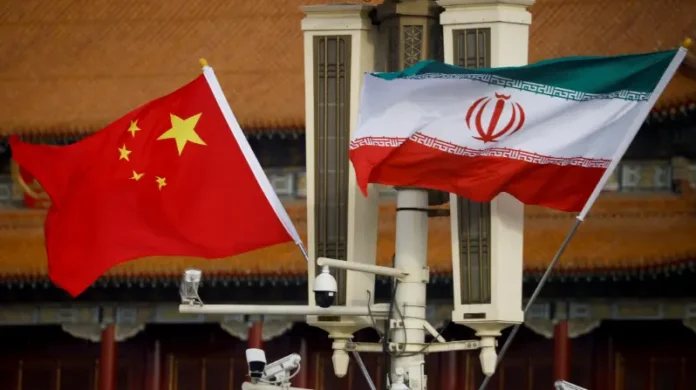

China is concerned about Israel-Iran tensions because escalating conflict threatens its energy security, global trade routes, and strategic Middle East partnerships. Beijing aims to preserve stability, maintain oil imports, and expand geopolitical influence—making peace in the region a key priority in China’s foreign policy.
KumDi.com
China is deeply concerned about Israel-Iran tensions, as this escalating conflict threatens Beijing’s core interests in energy security, international trade routes, and regional alliances. Understanding why China is concerned about Israel-Iran tensions is vital to grasp how China navigates its foreign policy and global ambitions.
The ongoing tensions between Israel and Iran have captured global attention, and one of the countries closely monitoring the situation is China. As the largest importer of Iranian oil, China has a vested interest in the stability of the region. This article delves into the multifaceted reasons behind China’s concern regarding the Israel-Iran conflict, exploring its economic, political, and strategic implications.
Table of Contents
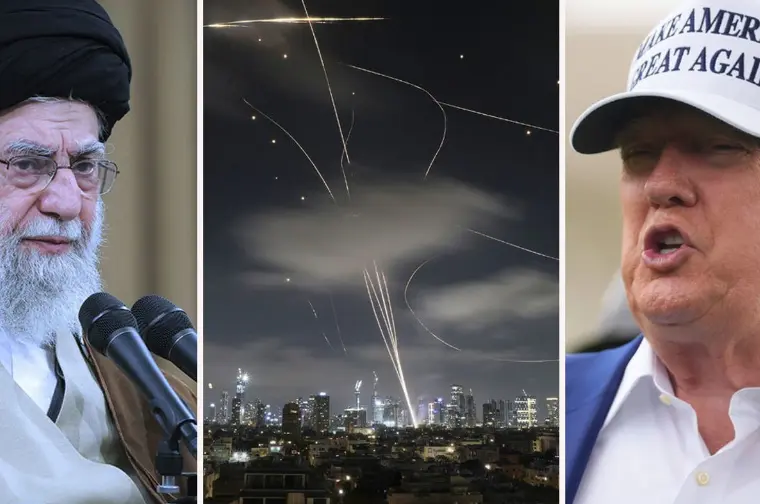
The Economic Ties Between China and Iran
China’s relationship with Iran is primarily driven by economic interests, particularly in the energy sector. Iran is a significant supplier of crude oil to China, accounting for a substantial portion of its imports.
Oil Imports and Economic Dependency
- Crude Oil Supply: Approximately 90% of Iran’s oil exports are directed towards China, making it a crucial partner for Beijing. This dependency is particularly pronounced given the U.S. sanctions aimed at curtailing Iran’s oil sales.
- Discounted Prices: Due to limited buyers, China often acquires Iranian oil at discounted rates, which is economically advantageous for its refineries. This arrangement not only supports Iran’s economy but also provides China with a reliable energy source.
The Impact of Sanctions
- Navigating Sanctions: Despite U.S. sanctions, China has managed to maintain its oil trade with Iran through a network of clandestine shipping routes, often referred to as a “dark fleet.” This allows China to circumvent restrictions while ensuring a steady supply of oil.
- Economic Lifeline for Iran: The revenue generated from oil exports is vital for Iran, especially in light of its economic struggles. By continuing to import Iranian oil, China plays a crucial role in sustaining the Iranian economy.
Political Dynamics and Strategic Partnerships
China’s relationship with Iran extends beyond mere economic transactions; it is also rooted in political alliances and strategic interests.
A Comprehensive Strategic Partnership
- Political Support: China and Iran have cultivated a “comprehensive strategic partnership,” which includes mutual support in international forums. This partnership is particularly significant as both nations face pressure from Western powers.
- Diplomatic Leverage: China’s political backing provides Iran with a sense of security, especially as tensions with Israel escalate. Beijing’s support is crucial for Tehran as it navigates its geopolitical challenges.
The Role of Multilateral Organizations
- Shanghai Cooperation Organization (SCO): China has utilized platforms like the SCO to amplify its support for Iran. This organization serves as a counterbalance to Western influence and allows China to project its power in the region.
- United Nations Involvement: China has consistently condemned Israeli actions at the UN, framing them as violations of international law. This diplomatic stance reinforces China’s commitment to supporting Iran on the global stage.
The Geopolitical Landscape
The Israel-Iran conflict is not just a regional issue; it has far-reaching implications for global geopolitics, particularly for China.
Concerns Over Regional Stability
- Potential for Escalation: China is acutely aware that an escalation of hostilities could destabilize the entire Middle East, impacting global oil markets and trade routes. The Strait of Hormuz, a critical chokepoint for oil shipments, is particularly vulnerable.
- Global Economic Impact: Any disruption in oil supply from the region could lead to skyrocketing prices, affecting economies worldwide, including China’s. This economic interdependence drives China’s desire for a peaceful resolution.
Balancing Relationships
- Ties with Israel: While China maintains a strong relationship with Iran, it also values its economic ties with Israel. This balancing act complicates China’s position, as it must navigate its support for Iran while not alienating Israel.
- Influence in the Middle East: China’s growing presence in the Middle East is part of its broader strategy to enhance its global influence. However, its ability to act as a mediator in the Israel-Iran conflict is limited by its historical ties with Tehran.
The Military Dimension
China’s military capabilities and its stance on the Israel-Iran conflict are also critical factors in understanding its concerns.
Non-Interference Policy
- Historical Context: China has traditionally adhered to a policy of non-interference in foreign conflicts. This approach limits its ability to provide military support to Iran, despite calls for assistance.
- Focus on Diplomacy: Instead of military intervention, China emphasizes diplomatic solutions. This strategy aligns with its broader foreign policy goals of promoting stability and economic development.
Regional Security Concerns
- Potential for Conflict Spillover: China is wary of the potential for the Israel-Iran conflict to spill over into neighboring countries, which could destabilize the region further. Such instability could threaten China’s investments and interests in the Middle East.
- Nuclear Proliferation Risks: The prospect of Iran developing nuclear weapons is a significant concern for China. Beijing’s support for Iran’s nuclear program is framed as a peaceful endeavor, but the implications of a nuclear-armed Iran are troubling for regional security.
The Role of the United States
The involvement of the United States in the Israel-Iran conflict adds another layer of complexity to China’s concerns.
U.S. Sanctions and Military Presence
- Impact of Sanctions: U.S. sanctions on Iran have created a challenging environment for Beijing. While China seeks to support Iran economically, it must also navigate the risks associated with U.S. retaliation.
- Military Alliances: The U.S. military presence in the region, particularly its support for Israel, poses a direct challenge to China’s interests. Beijing is cautious about the implications of U.S. actions on its strategic partnerships.
Calls for De-escalation
- Diplomatic Appeals: China has consistently called for de-escalation and dialogue between the conflicting parties. This stance reflects its desire to maintain stability in the region and protect its economic interests.
- Collaborative Efforts with Russia: China has aligned with Russia in advocating for a peaceful resolution to the conflict. Both nations recognize the potential for widespread consequences if tensions escalate further.
The Future of China-Iran Relations
As the situation evolves, the future of China-Iran relations will be shaped by various factors, including geopolitical dynamics and economic considerations.
Long-term Economic Partnerships
- Continued Oil Imports: China’s reliance on Iranian oil is unlikely to diminish in the near future. As long as Iran remains a viable supplier, China will continue to prioritize its economic relationship with Tehran.
- Investment Opportunities: Beyond oil, China is likely to explore investment opportunities in Iran’s infrastructure and energy sectors, further solidifying their partnership.
Navigating Regional Challenges
- Adapting to Change: China will need to adapt its approach as the geopolitical landscape shifts. This may involve recalibrating its relationships with both Iran and Israel to ensure its interests are protected.
- Potential for Mediation: While China has expressed a willingness to mediate, its effectiveness will depend on its ability to gain the trust of both parties. Building credibility as a neutral broker will be essential for Beijing’s future role in the region.
Conclusion
China’s concern over the Israel-Iran tensions is multifaceted, driven by economic interests, political alliances, and geopolitical considerations. As the largest importer of Iranian oil, China has a vested interest in maintaining stability in the region. However, its ability to influence the conflict is limited by its historical ties with Iran and its balancing act with Israel. Moving forward, China will need to navigate these complexities carefully to protect its interests and promote regional stability.
FAQs
Why is China concerned about Israel‑Iran tensions impacting its Middle East policy?
China worries that rising Israel‑Iran conflict could threaten its Middle East policy by destabilizing energy imports and undermining long-term partnerships in the region.
How do Israel‑Iran tensions affect China’s energy security and oil trade?
Escalating Israel‑Iran tensions risk disrupting Middle East oil exports, which could drive up prices and jeopardize China’s energy security.
What role does China play in Israel‑Iran relations and regional stability?
China positions itself as a neutral mediator, promoting dialogue to defuse Israel‑Iran tensions and advance its broader goal of global security and trade stability.
Can China’s global economic interests be harmed by Israel‑Iran tensions?
Yes, China’s economic interests—like its Belt and Road trade routes and shipping lanes through the Red Sea—are vulnerable to disruption from Israel‑Iran conflict.
How does China Israel Iran relations shape Beijing’s strategic planning?
Navigating China Israel Iran relations helps Beijing calibrate its strategic planning—balancing energy needs, diplomatic positioning, and long-term influence in the Middle East.




 and then