








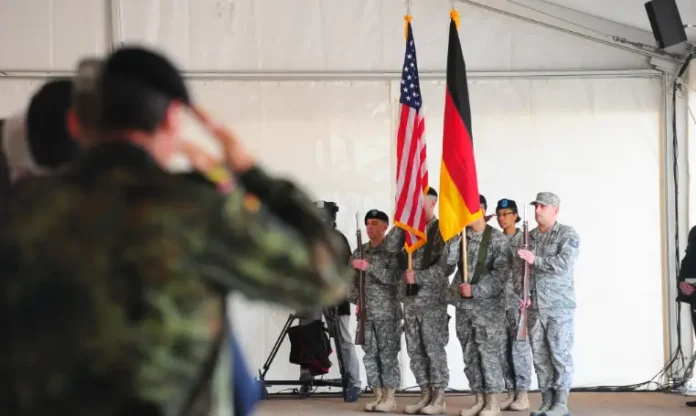

The proposed reduction of roughly 5,000 U.S. troops in Germany—a policy prominently advanced during the administration of Donald Trump—was driven by a combination of burden-sharing concerns, strategic rebalancing, and domestic political priorities.
KumDi.com
In Europe, the move risks weakening NATO cohesion and deterrence credibility while pushing European nations to increase defense spending.
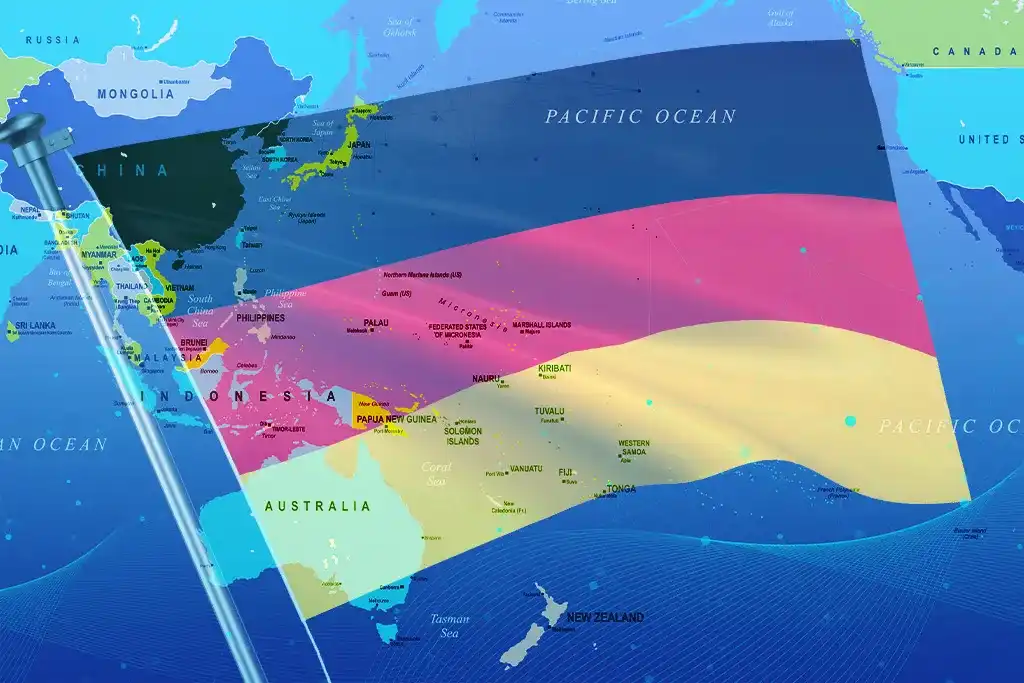
In Asia, it signals a potential shift in U.S. strategic focus toward the Indo-Pacific, affecting deterrence dynamics involving China and reassuring—or unsettling—regional allies like South Korea and Japan.
This article explains why the decision was made, how it works operationally, and what it means for global security architecture.
Table of Contents
Why Did Trump Push to Reduce U.S. Troops in Germany?
1.1 Burden-Sharing Disputes with Germany
A central driver of Trump’s policy was his long-standing criticism that NATO allies—especially Germany—were not contributing enough financially to their own defense.
- NATO’s guideline: 2% of GDP on defense spending
- Germany (for years) spent below that target
Trump repeatedly argued that the U.S. was subsidizing European security, stating that wealthy countries should contribute more proportionally.
Policy logic:
Reducing troops was intended as leverage to pressure Germany into increasing defense spending.
“America First” Strategic Doctrine
Trump’s broader foreign policy approach emphasized:
- Reducing long-term overseas military commitments
- Prioritizing domestic economic and security interests
- Reassessing alliances based on cost-benefit outcomes
From this perspective, maintaining large troop deployments in Germany—decades after the Cold War—was seen as strategically outdated and financially inefficient.
Strategic Reallocation Toward Emerging Threats
U.S. defense strategy has increasingly shifted focus from Europe to the Indo-Pacific, where China is viewed as the primary long-term competitor.
Reducing troops in Germany could:
- Free up military resources
- Enable redeployment to Asia-Pacific regions
- Support naval and air power expansion
This aligns with Pentagon-level strategic documents emphasizing great-power competition, particularly with China.
Political Signaling and Negotiation Strategy
Trump often used visible policy moves as negotiation tools.
The troop reduction served as:
- A signal of dissatisfaction with Germany
- A bargaining tactic in defense and trade negotiations
- A demonstration of willingness to alter long-standing alliances
Important clarification:
While announced, parts of the troop reduction plan were later slowed, modified, or reversed under subsequent administrations—highlighting the complexity of implementation.
What Does a 5,000-Troop Reduction Actually Change?
A reduction of this scale affects military capability, logistics, and perception simultaneously.
Operational Impacts
| Area | Effect |
|---|---|
| Rapid deployment | Slower NATO response capability |
| Logistics hubs | Increased strain on centralized bases |
| Command structure | Potential reorganization |
| Deterrence | Reduced visible U.S. presence |
Germany hosts critical infrastructure such as Ramstein Air Base, making even partial reductions strategically significant.
Impact on Europe
NATO Credibility and Deterrence
The presence of U.S. troops in Germany is a cornerstone of NATO’s deterrence strategy.
Reducing troops can:
- Signal reduced U.S. commitment
- Create uncertainty among allies
- Encourage adversarial probing, particularly from Russia
Evidence-based insight:
Deterrence depends heavily on perception of commitment, not just raw capability.
Increased Pressure on European Defense Spending
European countries may need to:
- Expand military budgets
- Strengthen independent defense systems
- Improve joint EU defense initiatives via the European Union
Germany, in particular, has already increased defense spending in response to shifting geopolitical realities.
Eastern Europe’s Security Concerns
Countries closer to Russia—such as Poland and the Baltic states—may feel more exposed.
This could lead to:
- Increased NATO troop rotations in Eastern Europe
- Greater regional militarization
- Expanded bilateral defense agreements
Impact on Asia
Indo-Pacific Rebalancing
A reduction in Europe may allow the U.S. to:
- Increase naval deployments in Asia
- Strengthen alliances with Japan and South Korea
- Expand joint military exercises
This reflects a long-term strategic pivot toward Asia.
China’s Strategic Interpretation
China may interpret the troop reduction in two ways:
Strengthening deterrence:
- U.S. reallocates resources toward Asia
Weakening deterrence:
- Perception of U.S. retrenchment or overstretch
Strategic ambiguity can increase geopolitical tension.
Impact on Regional Allies
Allies like South Korea and Japan rely on U.S. extended deterrence.
Possible reactions:
- Increased defense spending
- Expanded indigenous military capabilities
- Greater participation in regional security frameworks
Risks and Challenges
Alliance Friction
The move strained relations between the U.S. and Germany, raising concerns about:
- Trust within NATO
- Long-term alliance stability
Strategic Misinterpretation
Adversaries may misread the reduction as:
- Weakness
- Reduced willingness to respond
This increases the risk of escalation.
Operational Gaps
Transition periods during troop withdrawal can create:
- Temporary security vulnerabilities
- Logistical inefficiencies
Mitigation Strategies

To offset risks, policymakers often consider:
Flexible Deployment Models
- Rotational troop presence
- Rapid deployment forces
Enhanced NATO Integration
- Joint exercises
- Interoperability improvements
European Defense Expansion
- Increased military spending
- Investment in advanced technologies
Long-Term Strategic Outlook (2026)
Emerging Trends
- Shift toward multi-theater competition
- Increased importance of Indo-Pacific security
- Greater European defense autonomy
- Expansion of cyber and AI-driven warfare capabilities
The troop reduction reflects strategic recalibration, not abandonment of Europe.
Conclusion
The proposed reduction of 5,000 U.S. troops in Germany—strongly associated with the policies of Donald Trump—was driven by burden-sharing disputes, strategic realignment, and domestic priorities.
- Europe faces increased responsibility for its own defense and potential changes in NATO dynamics
- Asia may gain strategic focus but also face new uncertainties
Ultimately, the global impact depends on how force reductions are balanced with redeployment, alliance coordination, and long-term strategic planning.
FAQs
Why did Donald Trump propose reducing U.S. troops in Germany?
The primary reason was burden-sharing. Trump argued that Germany was not meeting NATO defense spending targets (2% of GDP), and that the U.S. was carrying a disproportionate share of Europe’s security costs. The move was also part of a broader “America First” strategy to reassess overseas military commitments.
Does reducing 5,000 troops weaken NATO?
Not automatically, but it can affect perception and readiness. NATO’s strength depends on both military capability and visible U.S. commitment. A reduction may temporarily reduce rapid-response capacity unless offset by rotational deployments or increased European defense spending.
How does this decision affect Europe’s security?
European countries—especially those near Russia—may feel increased pressure to strengthen their own defense systems. It also pushes nations within the European Union to invest more in military capabilities and coordination.
What impact does this have on Asia?
The reduction may signal a strategic shift toward the Indo-Pacific, where the U.S. is focusing more on competition with China. This could strengthen military presence in Asia, benefiting allies like South Korea and Japan, but it may also raise concerns about global U.S. commitment.
Was the troop reduction fully implemented?
No. While the plan was announced during Trump’s administration, parts of it were delayed, modified, or reversed by subsequent U.S. policy decisions, reflecting changing strategic priorities and alliance considerations.




 and then