








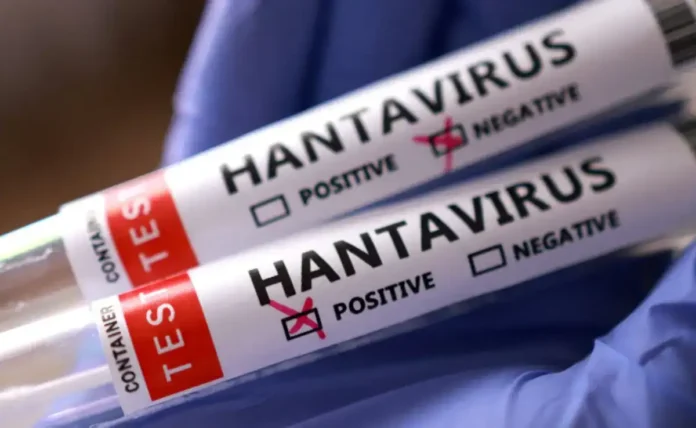

Is hantavirus the next Covid-19? No. Hantavirus is very different from Covid-19 and does not spread easily between people. Most infections are linked to exposure to infected rodent droppings or urine, not casual human contact. However, news about hantavirus is triggering post-Covid anxiety because many people remain highly sensitive to emerging virus headlines after the pandemic.
KumDi.com
Hantavirus is not the same disease as Covid-19, and it does not spread in the same way. However, renewed discussions about rare hantavirus infections in 2026 are triggering significant public anxiety, especially among people who experienced pandemic-related trauma, health anxiety, or long Covid during the global Covid-19 crisis.
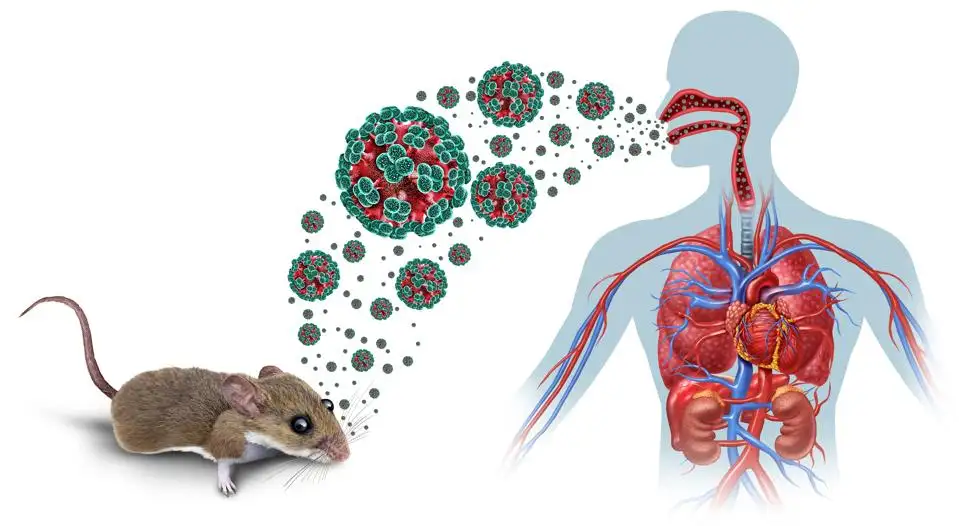
The concern is understandable. Many people now associate reports of unfamiliar viruses with fears of another pandemic. But medically and epidemiologically, hantavirus behaves very differently from SARS-CoV-2, the virus that causes Covid-19. Hantavirus infections are generally linked to contact with infected rodent urine, droppings, or saliva—not routine human social interaction.
Understanding the differences between hantavirus and Covid-19 is important for reducing unnecessary panic while still respecting legitimate public health awareness. This article explains what hantavirus is, how it spreads, why it is psychologically triggering in the post-Covid era, and what health experts recommend in 2026.
Table of Contents
What Is Hantavirus?
Hantavirus refers to a group of viruses primarily carried by rodents. In humans, these viruses can cause severe illnesses, including:
- Hantavirus Pulmonary Syndrome (HPS) — more common in the Americas
- Hemorrhagic Fever with Renal Syndrome (HFRS) — more common in parts of Asia and Europe
Although hantavirus infections are rare, they can become serious if not recognized early.
Simple Definition
Hantavirus is a rodent-borne viral disease transmitted mainly through inhalation of virus particles from contaminated rodent waste.
Unlike Covid-19, hantavirus is not typically spread through casual person-to-person respiratory transmission.
Hantavirus vs Covid-19: Key Differences
One of the biggest reasons for public anxiety is confusion between different viral diseases. Many people hear the word “virus” and immediately associate it with the global Covid-19 pandemic.
Here are the medically important differences.
| Feature | Hantavirus | Covid-19 |
|---|---|---|
| Cause | Hantavirus family | SARS-CoV-2 |
| Main Transmission | Rodent exposure | Human respiratory spread |
| Pandemic Potential | Very limited | Extremely high |
| Human-to-Human Spread | Rare or absent in most strains | Common |
| Common Exposure Risk | Rodent-infested environments | Crowded indoor settings |
| Main Symptoms | Fever, muscle pain, respiratory distress | Fever, cough, fatigue, respiratory symptoms |
| Global Infection Volume | Rare | Massive worldwide spread |
Why This Difference Matters
Covid-19 fundamentally changed how societies emotionally respond to infectious disease news. Before 2020, most people outside medical or scientific communities paid limited attention to emerging viruses. After the pandemic, public sensitivity to outbreak-related information increased dramatically.
As a result, even rare infections like hantavirus can trigger disproportionate fear responses online and in news cycles.
Why Hantavirus Is Triggering Post-Covid Anxiety
1. Pandemic Trauma Changed Public Psychology
Mental health professionals observed a major rise in:
- Health anxiety
- Contamination fears
- Hypervigilance toward illness
- Catastrophic thinking
- Fear of emerging infections
Many individuals who lived through lockdowns, hospitalizations, or loss during Covid-19 now react strongly to headlines mentioning new viruses.
This phenomenon is sometimes referred to clinically as post-pandemic health anxiety amplification.
Real-World Example
A patient who previously recovered from severe Covid-19 may experience intense anxiety after reading a news article about a hantavirus case, despite having no actual exposure risk. The emotional brain often associates “new virus” with memories of uncertainty, fear, and social disruption from the pandemic years.
2. Social Media Accelerates Fear
Modern digital platforms reward emotionally charged content. Headlines using terms like:
- “deadly virus”
- “mystery illness”
- “new outbreak”
- “rare infection”
can spread rapidly, even when the actual public risk remains low.
In many cases, anxiety spreads faster than accurate medical context.
3. People Are More Aware of Zoonotic Diseases
Covid-19 increased public awareness of zoonotic diseases—illnesses transmitted from animals to humans.
This awareness is medically valuable, but it can also create heightened sensitivity toward any animal-associated virus, including hantavirus.
How Hantavirus Actually Spreads
Understanding transmission is critical for reducing irrational fear.
Primary Transmission Route
Humans usually become infected by breathing in microscopic virus particles from:
- Rodent urine
- Rodent droppings
- Rodent saliva
This often occurs during activities such as:
- Cleaning cabins or sheds
- Sweeping dusty rodent-infested areas
- Entering poorly ventilated storage spaces
- Handling contaminated materials
Important Clarification
Hantavirus is not spread like Covid-19 in supermarkets, offices, schools, or routine social gatherings.
For most people living normal urban lifestyles without rodent exposure, the risk remains extremely low.
Symptoms of Hantavirus Infection
Early symptoms can resemble influenza or other viral illnesses, which sometimes increases public concern.
Early Symptoms
- Fever
- Fatigue
- Muscle aches
- Headache
- Chills
- Nausea
Severe Symptoms
In serious cases, patients may develop:
- Shortness of breath
- Lung fluid accumulation
- Rapid breathing difficulty
- Low blood oxygen levels
These symptoms require urgent medical attention.
Why Hantavirus News Feels Emotionally “Louder” After Covid-19
The Brain Learned to Associate Viruses With Catastrophe
During Covid-19, people experienced:
- Constant emergency news alerts
- Hospital overcrowding
- Economic disruption
- Social isolation
- Fear of infection
Neuroscientifically, repeated exposure to threat-related information conditions the brain to react faster to future health alerts.
This is similar to trauma-related hyper-alertness seen after major crises.
Post-Covid Information Fatigue
Many people also suffer from chronic stress associated with years of pandemic-related uncertainty. New infectious disease headlines can reactivate unresolved emotional stress responses.
Should People Be Worried About a New Hantavirus Pandemic?
Current evidence in 2026 does not suggest that hantavirus has pandemic characteristics similar to Covid-19.
Public health experts monitor hantavirus carefully because severe infections can occur, but several factors limit widespread transmission:
- Most strains do not spread efficiently between humans
- Infection requires specific exposure conditions
- Cases remain relatively uncommon
- Transmission dynamics differ substantially from airborne pandemic viruses
This does not mean hantavirus should be ignored. It means the public response should remain proportional and evidence-based.
Practical Prevention Measures That Actually Work
Unlike pandemic-era behaviors driven by generalized fear, hantavirus prevention is highly targeted.
Recommended Prevention Strategies
Rodent Control
- Seal holes in homes and storage buildings
- Remove food sources attracting rodents
- Store food in sealed containers
Safe Cleaning Practices
When cleaning potentially contaminated spaces:
- Ventilate the area first
- Avoid dry sweeping
- Use disinfectant sprays
- Wear gloves and masks if heavy rodent contamination is present
Outdoor and Rural Awareness
People working in:
- farms
- cabins
- warehouses
- forestry
- rural construction
should maintain higher awareness of rodent exposure risks.
The Mental Health Side of Emerging Disease Anxiety
When Fear Becomes Harmful
After Covid-19, some individuals developed excessive health monitoring behaviors, including:
- compulsive symptom checking
- repeated medical searches
- doomscrolling outbreak news
- avoidance behaviors
- panic reactions to normal illnesses
While awareness is healthy, chronic fear can negatively affect:
- sleep
- immune health
- concentration
- work performance
- family relationships
Signs Anxiety May Need Professional Support
People should consider speaking with a healthcare professional if they experience:
- persistent panic about infections
- inability to stop checking health news
- severe stress after reading disease headlines
- physical anxiety symptoms interfering with daily life
Mental health support is now recognized as an important part of post-pandemic public health recovery.
What Healthcare Experts Want the Public to Understand
1. Hantavirus Is Real but Rare
Medical professionals take hantavirus seriously because severe disease can occur. However, rare does not mean inevitable.
2. Covid-19 Changed Public Risk Perception
The psychological impact of the pandemic continues to influence how society processes health information.
3. Context Matters More Than Headlines
A single reported infection does not automatically indicate a large outbreak or pandemic threat.
4. Prevention Should Be Practical, Not Fear-Driven
Targeted hygiene and rodent control measures are more effective than generalized panic.
Final Thoughts
Hantavirus and Covid-19 are fundamentally different diseases, but the emotional connection many people feel in 2026 is understandable. The Covid-19 pandemic permanently changed public awareness of infectious disease risk and reshaped collective psychological responses to health threats.
The most effective response is neither panic nor dismissal. It is informed awareness grounded in evidence-based medicine, practical prevention, and mental health balance.
Understanding how hantavirus actually spreads—and why post-Covid anxiety amplifies fear—helps individuals respond rationally rather than react emotionally to alarming headlines.
FAQs
Is hantavirus more dangerous than Covid-19?
Hantavirus can cause severe illness in some patients, but it is much rarer and far less contagious than Covid-19. Covid-19 spread rapidly through human-to-human transmission, while hantavirus infections are usually linked to rodent exposure.
Can hantavirus spread between people?
Most hantavirus strains do not spread easily from person to person. In the majority of cases, infection occurs after inhaling particles contaminated by rodent urine, saliva, or droppings.
Why are people panicking about hantavirus in 2026?
Many people developed heightened health anxiety after the Covid-19 pandemic. News reports about rare viral infections can trigger emotional memories, fear of another pandemic, and increased sensitivity to disease-related headlines.
What are the first symptoms of hantavirus?
Early symptoms may include:
– fever
– muscle aches
– fatigue
– headache
– nausea
Severe cases can progress to breathing difficulty and lung complications, requiring urgent medical care.
How can hantavirus infection be prevented?
The best prevention methods include:
– controlling rodents in homes and storage areas
– safely cleaning contaminated spaces
– avoiding dry sweeping rodent droppings
– ventilating enclosed areas before cleanin
– using disinfectants and protective gloves when necessary




 and then