









What is Apple Siri AI? Apple Siri AI is Apple’s intelligent virtual assistant that uses artificial intelligence, natural language processing, and contextual awareness to help users perform tasks, answer questions, manage schedules, control smart home devices, and interact with Apple apps. In 2026, Siri includes advanced AI capabilities such as conversational understanding, writing assistance, personal context awareness, and enhanced privacy through on-device processing. Siri is especially effective for users within the Apple ecosystem, offering seamless integration across iPhone, iPad, Mac, Apple Watch, HomePod, and CarPlay.
KumDi.com
Apple Siri has undergone its most significant transformation since its original launch, evolving from a voice command assistant into a more intelligent AI-powered personal assistant. With Apple’s integration of generative AI capabilities, deeper contextual understanding, enhanced on-device processing, and seamless ecosystem integration, Siri in 2026 is substantially more useful than previous versions.
However, Siri still faces strong competition from AI assistants such as OpenAI ChatGPT, Google Gemini, and Microsoft Copilot. While Apple excels in privacy, ecosystem integration, and user experience, Siri remains somewhat more conservative in open-ended reasoning and complex content generation compared to leading AI-first platforms.
For Apple users deeply invested in the iPhone, iPad, Mac, Apple Watch, and HomePod ecosystem, Siri is now more capable than ever and delivers a highly polished experience.
Table of Contents

What Is Apple Siri?
Apple Siri is Apple’s built-in virtual assistant designed to help users perform tasks through voice, text, and contextual interactions.
Initially introduced in 2011, Siri focused primarily on:
- Setting alarms
- Sending messages
- Making calls
- Creating reminders
- Providing weather information
- Answering simple factual questions
The AI landscape changed dramatically after the rise of large language models (LLMs) and generative AI systems. In response, Apple redesigned Siri to leverage advanced artificial intelligence while maintaining its long-standing commitment to user privacy and security.
Today, Siri functions as a personal AI assistant capable of understanding context, maintaining conversational continuity, interacting with apps, and assisting with productivity tasks.
How Siri AI Works in 2026
Modern Siri combines several AI technologies:
Natural Language Processing (NLP)
Siri uses advanced natural language understanding to interpret user intent rather than simply matching keywords.
For example:
Instead of saying:
“Create a calendar appointment at 3 PM tomorrow.”
Users can say:
“Schedule lunch with Sarah tomorrow afternoon.”
Siri can understand the intent and generate the appropriate action.
Large Language Model Integration
Apple has integrated generative AI technologies that allow Siri to:
- Summarize information
- Rewrite text
- Generate responses
- Answer follow-up questions
- Understand conversational context
This significantly improves Siri’s ability to engage in natural dialogue.
Personal Context Awareness
One of Siri’s biggest advancements is contextual intelligence.
Siri can understand references such as:
- “Text my wife that I’ll be late.”
- “Play the podcast I was listening to yesterday.”
- “Show me the file John sent last week.”
The assistant can use information across Apple services to fulfill requests more intelligently.
On-Device Intelligence
A major differentiator is Apple’s emphasis on local processing.
Many AI tasks occur directly on:
- iPhone
- iPad
- Mac
- Apple Watch
Benefits include:
- Faster responses
- Reduced cloud dependency
- Enhanced privacy
- Lower exposure of personal data
This approach aligns with Apple’s broader security philosophy.
Key Siri AI Features
1. Improved Conversational Memory
Older versions of Siri often lost context after a single question.
Modern Siri supports multi-step conversations.
Example:
User:
“Who directed Oppenheimer?”
Siri:
“Christopher Nolan.”
User:
“What other movies has he made?”
Siri understands that “he” refers to Christopher Nolan.
This creates a more natural experience similar to human conversation.
2. Cross-App Actions
One of Siri’s strongest capabilities is app integration.
Users can perform complex tasks such as:
- Drafting emails
- Sending messages
- Editing calendar events
- Managing reminders
- Controlling smart home devices
Example:
“Move tomorrow’s client meeting to Friday and notify everyone.”
Siri can execute multiple connected actions with minimal user input.
3. Writing Assistance
Siri can assist with:
- Email drafting
- Message rewriting
- Grammar correction
- Summarization
- Tone adjustments
Practical use cases include:
Business Professionals
Convert notes into professional emails.
Students
Summarize lecture content.
Content Creators
Refine social media posts and marketing copy.
4. Visual Intelligence
Siri increasingly works with visual information.
Users can:
- Analyze screenshots
- Extract text from images
- Identify objects
- Search based on visual content
This feature improves productivity across education, business, and personal use.
5. Smart Home Integration
Siri remains one of the most capable smart-home assistants when paired with Apple’s ecosystem.
Supported actions include:
- Lighting control
- Climate control
- Security monitoring
- Automation routines
- HomeKit device management
For Apple households, this remains a significant advantage.
Siri AI Performance Review
Accuracy
Strengths
Siri performs extremely well in:
- Personal task management
- Device control
- Messaging
- Scheduling
- Smart home automation
The assistant understands natural speech far better than previous generations.
Limitations
Complex reasoning tasks can still challenge Siri.
Examples include:
- Advanced coding assistance
- Detailed research synthesis
- Highly technical analysis
- Long-form strategic planning
Specialized AI chatbots often outperform Siri in these scenarios.
Siri vs ChatGPT
Conversation Quality
Siri
Best for:
- Personal assistant tasks
- Device interactions
- Everyday productivity
ChatGPT
Best for:
- Research
- Writing
- Coding
- Problem-solving
- Long-form conversations
ChatGPT generally provides deeper reasoning and more detailed explanations.
Siri vs Google Gemini
Search and Information Retrieval
Gemini benefits from Google’s search infrastructure.
Advantages include:
- Real-time information access
- Web knowledge integration
- Research capabilities
Siri remains stronger when interacting with Apple devices and personal data.
Siri vs Microsoft Copilot
Copilot excels in workplace productivity.
Particularly strong areas include:
- Word documents
- Excel analysis
- PowerPoint creation
- Enterprise workflows
Siri focuses more on consumer experiences and device management.
Real-World Siri AI Use Cases
For Business Professionals
Siri can:
- Schedule meetings
- Send emails
- Manage reminders
- Organize calendars
- Create task lists
A sales executive traveling between meetings can update schedules and communicate with clients entirely through voice commands.
For Students
Students can use Siri to:
- Create study reminders
- Summarize notes
- Manage assignments
- Search educational content
This reduces administrative workload and improves organization.
For Healthcare Professionals
Doctors, nurses, and clinical staff often rely on rapid access to schedules and reminders.
Siri can support:
- Appointment management
- Hands-free communication
- Calendar coordination
Healthcare organizations must still follow privacy regulations and institutional policies when handling patient information.
For Families
Common household uses include:
- Grocery lists
- Shared reminders
- Smart home control
- Family calendars
The assistant simplifies daily coordination.
Privacy and Security Review
Privacy remains Apple’s strongest competitive advantage.
Apple’s AI strategy prioritizes:
- On-device processing
- Data minimization
- Secure cloud infrastructure
- User permission controls
Unlike some AI systems that heavily depend on cloud processing, Apple attempts to keep sensitive data on the user’s device whenever possible.
For privacy-conscious consumers, this represents a major benefit.
Advantages of Siri AI
Pros
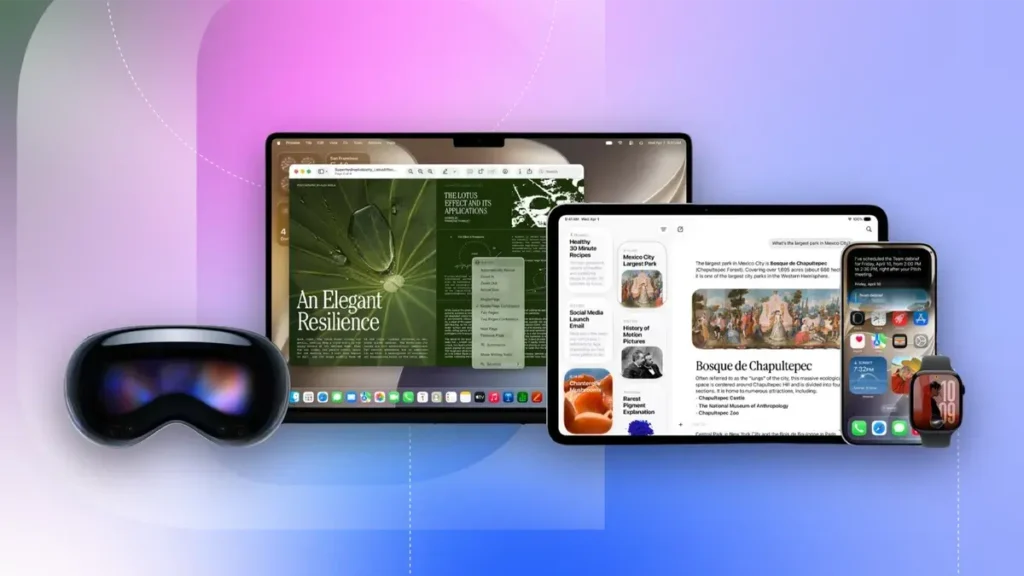
Deep Apple Ecosystem Integration
Works seamlessly across:
- iPhone
- iPad
- Mac
- Apple Watch
- HomePod
- CarPlay
Strong Privacy Protections
Apple continues to lead the industry in consumer privacy practices.
Fast Device-Level Actions
Siri can perform tasks quickly without opening multiple applications manually.
Natural Voice Interaction
Conversation quality has improved significantly compared to earlier versions.
Smart Home Leadership
HomeKit integration remains among the best smart-home experiences available.
Disadvantages of Siri AI
Cons
Less Powerful for Complex Reasoning
AI-first chatbots still outperform Siri in advanced knowledge tasks.
Limited Third-Party Integration
Some competing assistants connect with a broader range of external services.
Conservative Responses
Apple prioritizes safety and reliability, which can occasionally limit creativity and flexibility.
Enterprise Features Lag Behind Competitors
Workplace-focused AI solutions often provide deeper productivity capabilities.
Who Should Use Siri AI?
Siri is ideal for:
- iPhone users
- Apple ecosystem customers
- Privacy-focused consumers
- Families using smart homes
- Professionals seeking hands-free productivity
Users seeking advanced research, coding support, or highly analytical AI conversations may still benefit from dedicated AI platforms alongside Siri.
Future Outlook for Siri
The AI assistant market is evolving rapidly.
Industry trends suggest future Siri improvements may include:
- More personalized contextual memory
- Enhanced multimodal understanding
- Better reasoning capabilities
- Expanded third-party integrations
- Greater automation across devices
Apple’s continued investment in AI infrastructure indicates Siri will remain a central component of the company’s ecosystem strategy.
Final Verdict: Is Apple Siri Worth Using in 2026?
Apple Siri has matured into a significantly more capable AI assistant than earlier generations. Its strengths lie in privacy, seamless device integration, contextual awareness, and productivity-focused automation. While it may not yet surpass specialized AI platforms in complex reasoning or advanced content generation, it excels at being a practical personal assistant for everyday life.
For users invested in Apple’s ecosystem, Siri is now one of the most useful and reliable AI assistants available. The combination of privacy-first design, intelligent automation, and deep hardware integration makes Siri a compelling choice in 2026, even as competition from ChatGPT, Gemini, and Copilot continues to intensify.
FAQs
Is Siri AI free?
Yes. Siri is included with supported Apple devices and does not require a separate subscription for core functionality.
Is Siri powered by generative AI?
Yes. Modern Siri incorporates generative AI technologies to improve conversation quality, writing assistance, summarization, and contextual understanding.
Is Siri better than ChatGPT?
It depends on the use case. Siri is stronger for device control, personal assistance, and ecosystem integration, while ChatGPT generally provides stronger reasoning, writing, research, and coding capabilities.
Does Siri protect user privacy?
Apple emphasizes privacy through on-device processing, limited data collection, and user-controlled permissions, making Siri one of the most privacy-focused AI assistants available.
Can Siri control smart homes?
Yes. Siri supports extensive smart-home automation through Apple’s HomeKit ecosystem.




 and then