








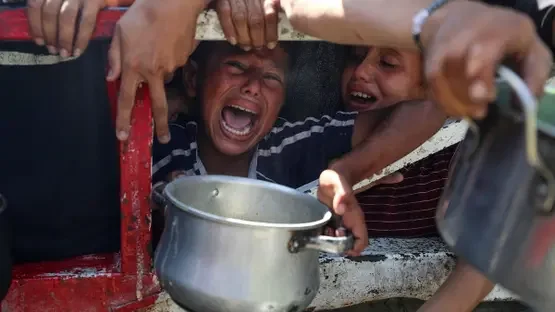

The Iran war threatens global food security by disrupting energy supplies, increasing fertilizer and transportation costs, and creating major supply chain bottlenecks. These disruptions can drive food inflation, reduce food affordability, and increase hunger risks worldwide, particularly in import-dependent countries across the Middle East, Africa, and Asia.
KumDi.com
An Iran-related war threatens global food security by disrupting energy supplies, increasing fertilizer and transportation costs, blocking critical maritime trade routes, destabilizing agricultural markets, and driving food inflation worldwide. Because modern food production depends heavily on fuel, fertilizer, logistics, and international trade, prolonged conflict involving Iran could affect food availability and affordability far beyond the Middle East, impacting millions of people across developing and developed nations alike.
Food security is increasingly influenced by geopolitical events. Among the most significant risks in 2026 is the possibility of a large-scale conflict involving Iran. While many people associate such a war primarily with oil prices and regional instability, the consequences extend much further. A conflict affecting Iran and surrounding areas could create ripple effects throughout the global food system.
The modern agricultural economy is deeply interconnected. Farmers depend on fuel-powered machinery, fertilizer manufacturing relies on natural gas, food processing requires stable energy supplies, and global food distribution depends on uninterrupted maritime shipping routes. When a major geopolitical crisis occurs in a strategically important region, food systems can become vulnerable almost immediately.
This article examines how an Iran war could jeopardize global food security, the mechanisms behind these disruptions, the regions most at risk, and the potential solutions governments and international organizations may pursue.
Table of Contents
What Is Food Security?
According to international food policy frameworks, food security exists when people have:
- Physical access to food
- Economic access to food
- Sufficient quantities of food
- Nutritious and safe food
- Reliable long-term food availability
Food insecurity occurs when any of these conditions are threatened.
A major war involving Iran has the potential to affect all four pillars simultaneously.
Why Iran Matters to Global Food Security
Iran occupies a strategically critical location connecting the Middle East, Central Asia, and global maritime trade routes.
Several factors make Iran particularly important:
Energy Production
Iran possesses some of the world’s largest oil and natural gas reserves.
Energy directly affects:
- Agricultural production
- Food processing
- Fertilizer manufacturing
- Refrigeration
- Transportation
Any disruption to energy exports can significantly increase food production costs globally.
Strategic Shipping Routes
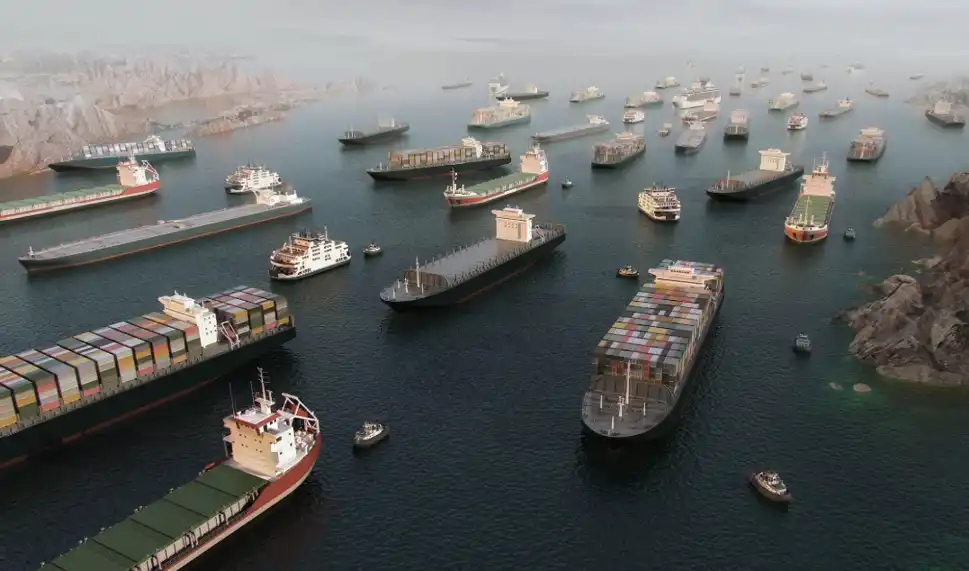
The Strait of Hormuz remains one of the world’s most important maritime chokepoints.
A large percentage of global energy shipments pass through this narrow waterway.
If conflict disrupts shipping traffic:
- Fuel prices rise
- Freight costs increase
- Food imports become more expensive
- Supply chains slow down
The effects can be felt across multiple continents within weeks.
How War Impacts Global Food Systems
1. Rising Energy Prices Increase Food Costs
Food and energy markets are closely linked.
Modern agriculture depends on:
- Diesel-powered tractors
- Irrigation pumps
- Harvesting equipment
- Refrigerated transportation
- Food manufacturing facilities
When oil prices surge due to conflict, agricultural operating costs rise accordingly.
Farmers often face:
- Higher fuel expenses
- Increased production costs
- Reduced profit margins
- Pressure to raise food prices
Consumers ultimately pay more at grocery stores.
Real-World Example
The global commodity disruptions following major geopolitical conflicts in the early 2020s demonstrated how rapidly food inflation can spread internationally when energy markets become unstable.
2. Fertilizer Prices Could Surge
Many fertilizers require natural gas during production.
A conflict involving Iran could:
- Increase natural gas prices
- Disrupt regional chemical industries
- Raise fertilizer manufacturing costs
Higher fertilizer prices often lead farmers to reduce fertilizer application.
This can result in:
- Lower crop yields
- Reduced harvest volumes
- Increased food prices
Developing nations are especially vulnerable because farmers often operate on narrow financial margins.
3. Maritime Trade Disruptions
Approximately 80–90% of global trade by volume moves through maritime transportation.
An escalation involving Iran could create:
- Shipping delays
- Increased insurance premiums
- Vessel rerouting
- Port congestion
Food commodities commonly transported by sea include:
- Wheat
- Rice
- Corn
- Soybeans
- Vegetable oils
- Livestock feed
Even temporary interruptions can produce significant market volatility.
4. Grain Market Instability
Global grain markets are highly sensitive to uncertainty.
Traders often react to geopolitical risks by:
- Increasing precautionary purchases
- Holding inventory
- Raising futures prices
This can lead to:
- Wheat price spikes
- Corn market volatility
- Feed shortages
- Livestock production challenges
Countries heavily dependent on imported grains face the greatest risk.
Which Regions Are Most Vulnerable?
Middle East and North Africa (MENA)
Many countries in this region import substantial portions of their food supply.
Potential consequences include:
- Rising bread prices
- Food shortages
- Greater dependence on emergency aid
Nations with limited domestic agricultural capacity are especially exposed.
Sub-Saharan Africa
Many African countries are highly dependent on imported:
- Wheat
- Fertilizer
- Fuel
A combination of rising food and energy prices can significantly increase hunger risks among vulnerable populations.
South Asia
Countries with large populations may face:
- Increased food import bills
- Pressure on government food subsidy programs
- Inflation-related social challenges
Low-income households typically spend a larger share of income on food and are therefore disproportionately affected.
Food Inflation and Consumer Impact
Food inflation is often one of the most visible consequences of geopolitical conflict.
Consumers may experience:
Higher Grocery Bills
Common products affected include:
- Bread
- Cooking oil
- Dairy products
- Meat
- Fresh produce
Reduced Purchasing Power
Households may need to:
- Buy less food
- Choose lower-cost alternatives
- Reduce dietary diversity
Nutrition Risks
When food becomes expensive, families often prioritize calories over nutritional quality.
This can increase:
- Micronutrient deficiencies
- Child malnutrition
- Long-term health challenges
Humanitarian Consequences
Food insecurity can quickly evolve into a humanitarian crisis.
International organizations frequently observe:
- Increased displacement
- Refugee movements
- Greater demand for food assistance
- Higher rates of acute malnutrition
Conflict-driven food crises rarely remain confined to one country.
Regional instability often spreads through migration, trade disruption, and economic contagion.
Climate Change and War: A Dangerous Combination
Global food systems are already under pressure from:
- Extreme heat
- Droughts
- Floods
- Water scarcity
Adding a major geopolitical conflict to these existing stresses creates a compounding risk.
Agricultural experts increasingly describe this as a “multi-shock environment,” where multiple disruptions occur simultaneously.
Examples include:
- Drought reducing harvests
- Conflict increasing energy costs
- Trade disruptions limiting imports
Together, these factors can amplify food insecurity far beyond the impact of any single event.
Can the World Prevent a Food Security Crisis?
Diversifying Supply Chains
Governments are increasingly pursuing:
- Multiple import sources
- Alternative shipping routes
- Strategic food reserves
Diversification reduces dependence on any single region.
Expanding Domestic Food Production
Many countries are investing in:
- Controlled-environment agriculture
- Precision farming
- Water-efficient irrigation
- Local food systems
These measures improve resilience against international disruptions.
Strategic Grain Reserves
Emergency food reserves can help stabilize markets during crises.
Well-managed reserves allow governments to:
- Reduce panic buying
- Limit price spikes
- Support vulnerable populations
International Cooperation
Global food security depends heavily on cooperation among:
- Governments
- Agricultural agencies
- Humanitarian organizations
- Trade institutions
Coordinated responses can reduce the likelihood of widespread shortages.
Expert Outlook for 2026
Food security experts generally agree that the greatest risk from an Iran-related conflict is not necessarily a global shortage of food production but rather a disruption in affordability, distribution, and access.
The world currently produces sufficient calories to feed the global population. The challenge lies in ensuring those calories remain accessible and affordable during periods of geopolitical instability.
A prolonged conflict affecting energy markets and major shipping routes could significantly increase food costs, especially for import-dependent nations and lower-income households. The longer disruptions persist, the greater the risk of regional food crises emerging.
Conclusion
An Iran war has the potential to jeopardize global food security not because the world suddenly runs out of food, but because modern food systems depend on stable energy supplies, efficient transportation networks, affordable fertilizer, and predictable international trade. Disruptions in any of these areas can quickly translate into higher food prices, reduced access, and increased humanitarian pressures.
As global food systems become increasingly interconnected, geopolitical stability remains a critical component of food security. Governments, international organizations, and agricultural stakeholders must continue building resilient supply chains and emergency response mechanisms to reduce the risk that regional conflicts evolve into worldwide food crises.
FAQs
Could a war involving Iran cause global food shortages?
Direct global shortages are unlikely in the short term, but significant disruptions to transportation, fertilizer supplies, and energy markets could reduce food availability in vulnerable regions and increase prices worldwide.
Why does oil affect food prices?
Modern agriculture relies heavily on fuel for machinery, transportation, irrigation, processing, and refrigeration. Higher oil prices generally increase food production and distribution costs.
Which countries are most vulnerable?
Import-dependent countries in the Middle East, North Africa, Sub-Saharan Africa, and parts of South Asia are generally at greatest risk from food market disruptions.
How quickly could food prices rise?
Commodity and energy markets often react immediately to geopolitical events. Consumer food prices may begin increasing within weeks or months, depending on the severity and duration of disruptions.
Can governments reduce the impact?
Yes. Strategic food reserves, diversified supply chains, agricultural investment, and international cooperation can significantly improve resilience during geopolitical crises.




 and then