








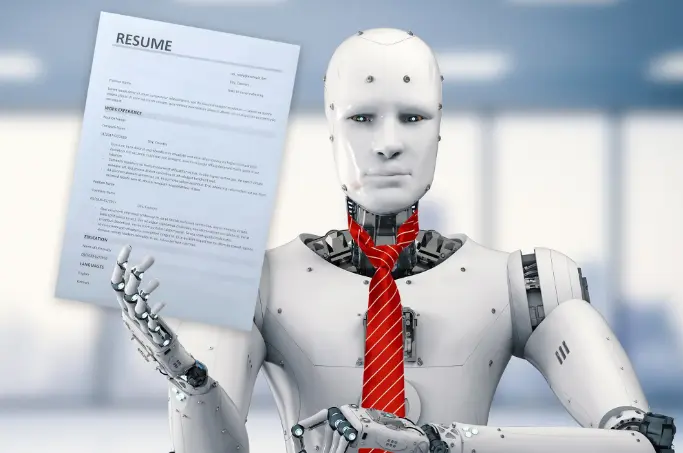

Despite fears of automation, AI is expected to generate new job roles, reshape industries, and spark demand for human creativity, emotional intelligence, and tech fluency. The future of work and AI could mean more opportunity—if we adapt with the right skills.
KumDi.com
AI and the future of work is often framed as a threat to human jobs, but that’s only part of the story. While automation may displace some roles, it’s also generating entirely new categories of employment, especially in AI ethics, data analysis, machine learning maintenance, and human-AI collaboration. The key lies in preparing for these transitions with adaptable skills, not fearing them.
The rapid evolution of artificial intelligence (AI) has sparked a whirlwind of discussions regarding its impact on the job market. While many experts predict significant job losses due to automation, a closer examination reveals a more nuanced reality. AI is not merely a job destroyer; it has the potential to create new roles and transform existing ones, leading to a dynamic shift in the workforce landscape. This article delves into the multifaceted relationship between AI and employment, exploring how new opportunities may arise even as traditional roles evolve or disappear.
Table of Contents

Understanding the AI Landscape
The Rise of AI Technologies
Artificial intelligence has made remarkable strides in recent years, with advancements in machine learning, natural language processing, and robotics. These technologies are increasingly integrated into various sectors, from healthcare to finance, enhancing efficiency and productivity. As AI systems become more sophisticated, they are capable of performing tasks that were once the exclusive domain of humans.
The Dual Nature of AI Impact
The impact of AI on employment is often viewed through a binary lens: job loss versus job creation. However, this perspective oversimplifies the issue. While certain roles may become obsolete, AI also paves the way for new job categories that require human oversight, creativity, and emotional intelligence. This dual nature of AI’s impact necessitates a deeper understanding of how the workforce will adapt.
Job Displacement: A Real Concern
The Fear of Automation
Concerns about job displacement due to AI are not unfounded. Many industries have already witnessed significant changes, with automation replacing routine tasks. For instance, roles such as telemarketers, data entry clerks, and even some healthcare positions are increasingly being automated. The COVID-19 pandemic accelerated this trend, as businesses sought to minimize human interaction and streamline operations.
Historical Context of Job Displacement
Historically, technological advancements have led to job displacement. The Industrial Revolution, for example, saw many skilled artisans lose their jobs to machines. However, it also created new opportunities in manufacturing and other sectors. Similarly, while AI may eliminate certain jobs, it is likely to generate new roles that we cannot yet fully envision.
The Potential for Job Creation
New Roles in AI Management
As AI systems become more prevalent, there will be a growing demand for professionals who can manage and oversee these technologies. Roles such as AI trainers, data analysts, and machine learning engineers are emerging as critical components of the workforce. These positions require a blend of technical skills and domain knowledge, offering exciting career prospects for those willing to adapt.
The Emergence of AI-Related Professions
In addition to management roles, AI is giving rise to entirely new professions. For instance, AI ethicists are becoming increasingly important as organizations grapple with the ethical implications of AI deployment. Similarly, positions focused on AI auditing and compliance are emerging to ensure that AI systems operate within legal and ethical boundaries.
The Transformation of Existing Jobs
Upskilling and Reskilling
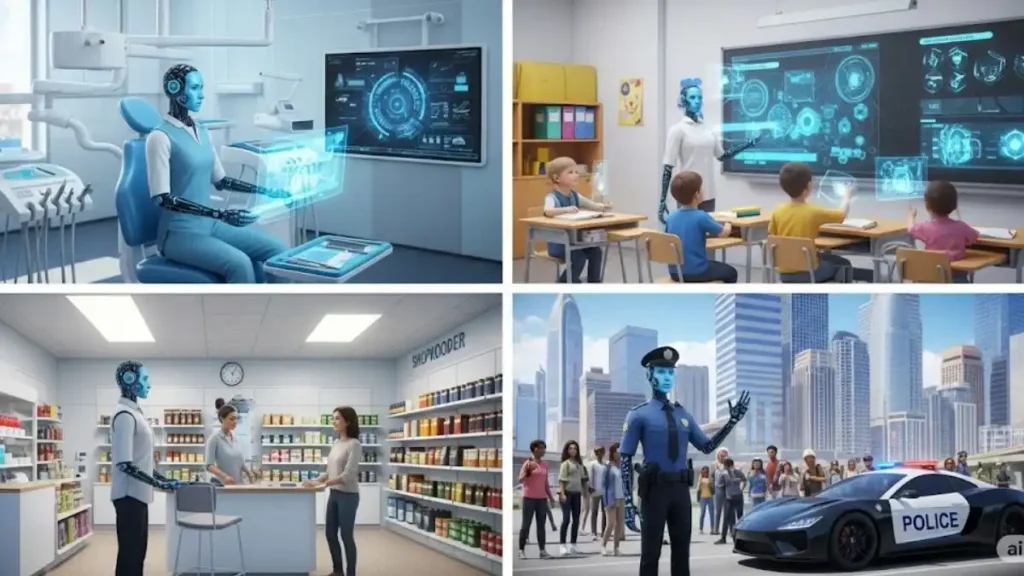
As AI continues to reshape the job market, the need for upskilling and reskilling becomes paramount. Workers in various industries must adapt to new technologies and learn how to collaborate with AI systems. This shift presents an opportunity for individuals to enhance their skill sets and remain competitive in the evolving job landscape.
The Human Touch in AI-Driven Roles
While AI excels at automating repetitive tasks, it lacks the emotional intelligence and creativity that humans bring to the table. Roles that require interpersonal skills, critical thinking, and problem-solving will remain in demand. For example, healthcare professionals who can provide compassionate care and make complex decisions will continue to be invaluable, even as AI assists in diagnostics and treatment planning.
The Role of Education and Training
Preparing the Workforce for Change
To navigate the changing job landscape, education and training programs must evolve. Institutions should focus on equipping students and workers with the skills needed to thrive in an AI-driven world. This includes not only technical skills but also soft skills such as communication, adaptability, and creativity.
Lifelong Learning as a Necessity
In an era of rapid technological advancement, lifelong learning is essential. Workers must embrace continuous education to stay relevant in their fields. Online courses, boot camps, and certification programs can provide accessible pathways for individuals to acquire new skills and knowledge.
The Economic Implications of AI
Job Market Dynamics
The integration of AI into the workforce will undoubtedly alter job market dynamics. While some sectors may experience job losses, others will see growth. For instance, the technology sector is expected to expand significantly, creating opportunities in software development, cybersecurity, and data analysis.
The Importance of Policy and Regulation
As AI continues to evolve, policymakers must consider its implications for the workforce. Regulations that promote fair labor practices and protect workers’ rights will be crucial in ensuring that the benefits of AI are distributed equitably. Additionally, policies that support education and training initiatives will help prepare the workforce for the challenges ahead.
The Global Perspective on AI and Employment
Variations Across Regions
The impact of AI on employment will vary across regions and industries. In some areas, job displacement may be more pronounced, while others may experience job creation. Understanding these regional differences is essential for developing targeted strategies to address the challenges posed by AI.
The Role of Emerging Markets
Emerging markets may face unique challenges and opportunities as AI technologies are adopted. While some jobs may be at risk, new industries and roles could emerge, particularly in sectors such as technology and renewable energy. Supporting workforce development in these regions will be critical for maximizing the benefits of AI.
The Future of Work: A Collaborative Approach
Human-AI Collaboration
The future of work will likely involve increased collaboration between humans and AI systems. Rather than viewing AI as a threat, workers can embrace it as a tool that enhances their capabilities. This collaborative approach can lead to greater innovation and productivity.
Emphasizing Creativity and Innovation
As routine tasks become automated, the demand for creativity and innovation will rise. Workers who can think outside the box and develop new solutions will be highly sought after. Organizations should foster a culture of creativity and encourage employees to explore new ideas and approaches.
Conclusion: Embracing Change
The relationship between AI and employment is complex and multifaceted. While concerns about job displacement are valid, it is essential to recognize the potential for job creation and transformation. By embracing change, investing in education and training, and fostering a collaborative approach, individuals and organizations can navigate the evolving job landscape and thrive in an AI-driven world.
In summary, the future of work is not solely defined by the fear of job loss but rather by the opportunities that AI presents. As we move forward, it is crucial to remain adaptable, open-minded, and proactive in preparing for the jobs of tomorrow. The journey may be challenging, but with the right mindset and resources, we can harness the power of AI to create a brighter future for all.
FAQs
How will AI impact the future of work?
AI will transform the future of work by automating repetitive tasks while creating roles that require strategic thinking, human empathy, and advanced technical skills.
What are some emerging AI job opportunities?
AI job opportunities are growing in fields like machine learning engineering, AI ethics consulting, data annotation, and human-AI interaction design.
Will AI replace more jobs than it creates?
While AI may replace some jobs, studies show it will also create new roles that didn’t exist before, especially in artificial intelligence careers and creative industries.
What skills will be essential in the AI-driven future?
To thrive in the future of work and AI, professionals need digital literacy, critical thinking, emotional intelligence, and adaptability to evolving technologies.
How can businesses prepare for AI integration?
Companies should invest in upskilling staff, adopt ethical AI frameworks, and explore future work trends to align talent with AI advancements.




 and then