








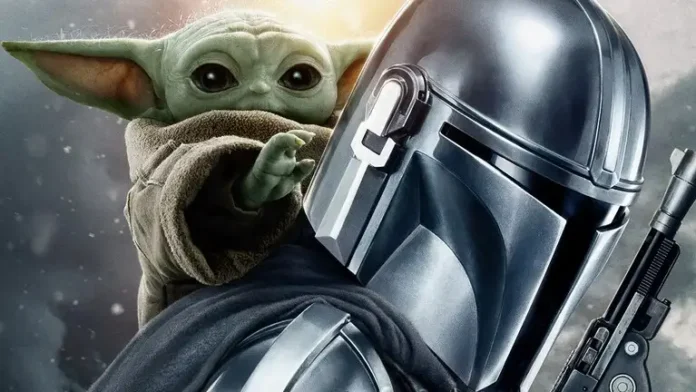

“Star Wars: The Mandalorian and Grogu” is a character-driven continuation of the Mandalorian narrative that blends cinematic storytelling with serialized TV structure, focusing on Din Djarin and Grogu’s evolving bond, post-Empire galactic instability, and Mandalorian cultural identity. The film succeeds in accessibility for new audiences while rewarding long-time fans through continuity, visual world-building, and thematic depth.
KumDi.com
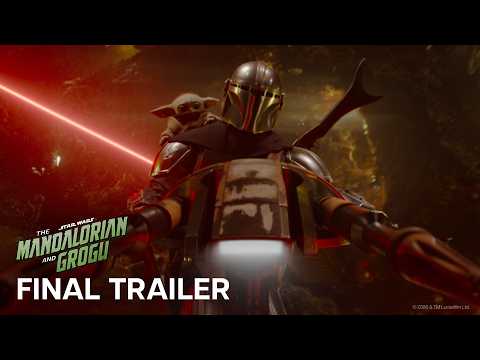
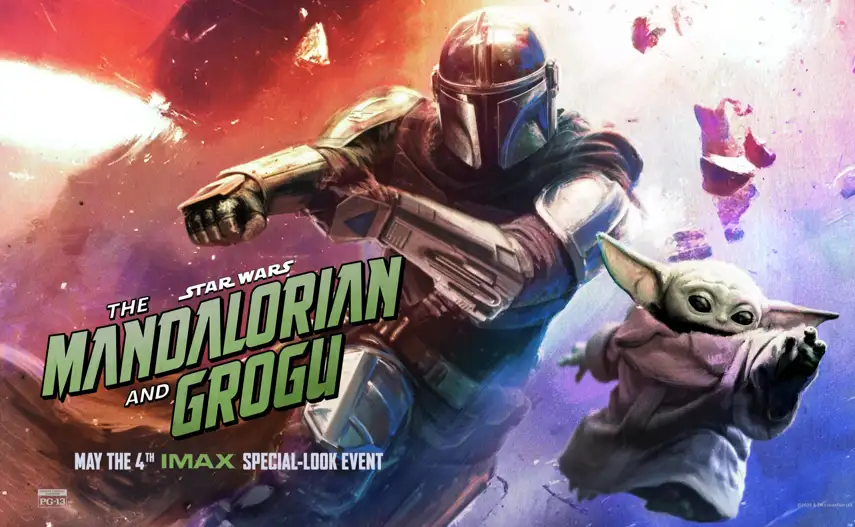
“Star Wars: The Mandalorian and Grogu” represents a strategic evolution within the Star Wars franchise, transitioning a highly successful streaming narrative into a theatrical format. Directed by Jon Favreau, the film builds upon the narrative arc established in the Disney+ series The Mandalorian, while positioning itself as a broader entry point for global audiences.
From an industry and storytelling perspective, the film answers a critical question:
Can a streaming-originated story scale effectively into cinematic storytelling without losing narrative intimacy?
The answer, based on structural and thematic execution, is largely yes—with specific caveats explored below.
Table of Contents
Narrative Structure and Story Mechanics
Core Plot Framework
At its foundation, the film follows a classical mentor–protégé arc:
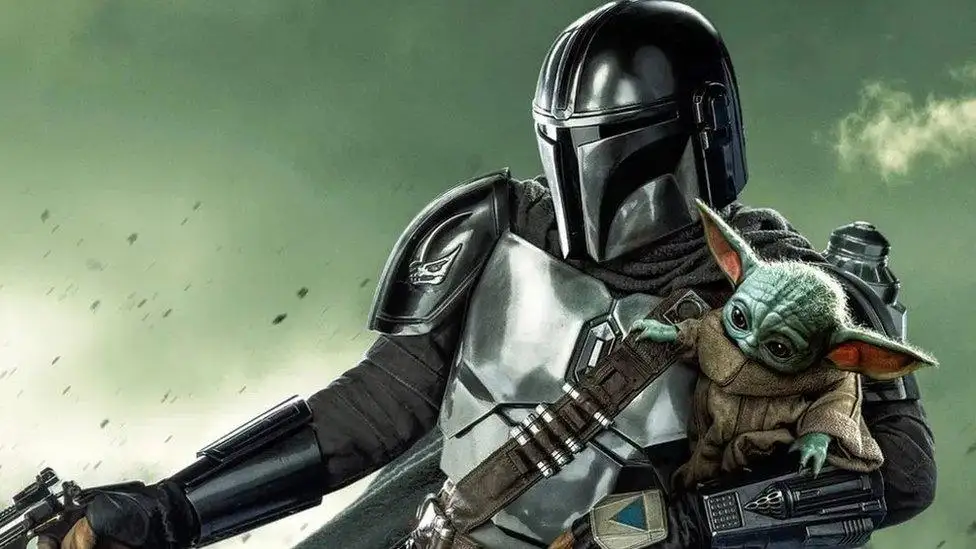
- Din Djarin (The Mandalorian): A lone bounty hunter navigating identity beyond creed
- Grogu: A Force-sensitive child balancing instinct, attachment, and discipline
The central narrative revolves around:
- Post-Imperial power vacuums
- Fragmentation of Mandalorian clans
- The ethical tension between duty and personal connection
Structural Strengths
From a screenplay analysis standpoint, the film employs:
- Three-act cinematic structure (clear escalation and resolution)
- Episodic DNA carried over from the series (modular story beats)
- Character-first progression rather than plot-heavy exposition
This hybrid structure allows:
- Accessibility for new viewers
- Continuity for existing fans
Potential Limitations
However, this dual structure introduces:
- Occasional pacing inconsistencies
- Transitional gaps for audiences unfamiliar with prior seasons
Character Development and Psychological Depth
Din Djarin: Identity Reconstruction
Din Djarin’s arc reflects a broader theme of cognitive and cultural dissonance:
- Traditional Mandalorian doctrine vs evolving personal morality
- Role shift from bounty hunter → guardian → reluctant leader
This mirrors real-world identity adaptation frameworks seen in leadership psychology, where rigid belief systems are challenged by lived experience.
Grogu: Developmental Symbolism
Grogu functions as more than a narrative device:
- Represents attachment theory (bond with Din vs Jedi detachment principles)
- Embodies latent potential under ethical guidance
This duality strengthens emotional engagement while maintaining narrative tension.
World-Building and Lore Integration
Galactic Context
The film expands on:
- The New Republic’s administrative fragility
- Residual Imperial factions
- Mandalorian diaspora and cultural reconstruction
This aligns with established canon post-Return of the Jedi timeline dynamics.
Mandalorian Culture
Key themes include:
- Honor systems
- Clan identity
- Myth vs modern adaptation
The film treats Mandalorian culture with anthropological consistency, avoiding superficial representation.
Cinematography and Technical Execution
Visual Design
The film maintains the signature Mandalorian aesthetic:
- High-contrast desert landscapes
- Industrial sci-fi environments
- Practical effects blended with advanced CGI
Cinematic Scaling
Compared to the TV series:
- Wider shot composition
- More dynamic action choreography
- Enhanced environmental detail
This transition demonstrates effective scaling from streaming production to theatrical standards.
Themes and Conceptual Analysis
1. Found Family vs Institutional Loyalty
The film explores a universal conflict:
- Personal bonds (Din & Grogu)
- Institutional expectations (Mandalorian creed, Jedi philosophy)
2. Legacy and Continuity
A recurring Star Wars motif:
- What is inherited vs what is chosen
- Evolution of tradition across generations
3. Power and Responsibility
Grogu’s development reflects:
- Ethical use of power
- Guidance vs autonomy
Audience Targeting and Accessibility
For New Viewers
The film provides:
- Sufficient contextual exposition
- Clear emotional anchors
- Standalone narrative coherence
For Existing Fans
Long-time viewers benefit from:
- Continuity of character arcs
- Expanded lore connections
- Narrative payoff from prior seasons
Real-World Industry Perspective
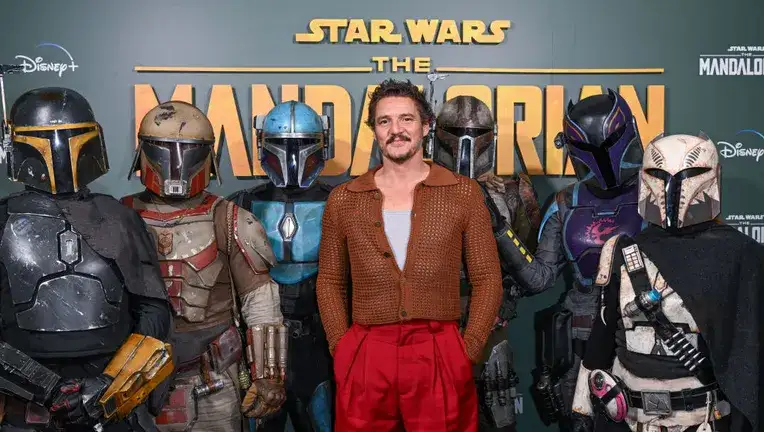
From a film production and franchise management standpoint, this project demonstrates:
Strategic Advantages
- Leveraging existing IP with proven audience engagement
- Reducing narrative risk through established characters
- Expanding theatrical revenue from streaming success
Practical Industry Parallel
This approach is comparable to:
- Transitioning serialized content into feature-length formats
- Maintaining audience retention across platforms
In practice, this model reflects cross-platform narrative integration, increasingly used in modern entertainment ecosystems.
Strengths and Limitations
Strengths
- Strong emotional core (Din–Grogu relationship)
- Consistent world-building
- High production quality
- Balanced accessibility
Limitations
- Dependence on prior narrative knowledge (partial)
- Occasional pacing unevenness
- Limited narrative risk due to established formula
Comparison Within the Star Wars Franchise
Compared to Sequel Trilogy
- More focused narrative scope
- Stronger character consistency
- Less reliance on large-scale spectacle
Compared to TV Series
- Improved visual scale
- More cohesive central storyline
- Reduced episodic fragmentation
Practical Viewing Recommendations
Who Should Watch
- Star Wars fans seeking continuity
- Viewers interested in character-driven sci-fi
- Audiences familiar with modern franchise storytelling
Viewing Tip
For optimal understanding:
- Watching Seasons 1–3 of The Mandalorian is recommended
- Familiarity enhances emotional and narrative impact
Future Implications for the Franchise
The film signals:
Expansion of Mandalorian-centric arcs within Star Wars canon
A shift toward integrated storytelling between streaming and cinema
Continued focus on character-centric narratives
Conclusion
“Star Wars: The Mandalorian and Grogu” successfully bridges the gap between serialized storytelling and cinematic narrative. It delivers a technically polished, emotionally grounded, and structurally accessible experience that aligns with modern audience expectations.
From an expert perspective, its greatest strength lies not in spectacle, but in narrative restraint and character focus—a direction that may define the future of the Star Wars franchise.
FAQs
Do I need to watch The Mandalorian series before this film?
No, the film is designed to be accessible for new viewers. However, watching The Mandalorian Seasons 1–3 provides important background on character relationships and improves overall understanding.
What is the main storyline of the film?
The story follows Din Djarin and Grogu as they navigate a galaxy still recovering from the fall of the Empire, focusing on identity, responsibility, and the bond between guardian and child within a fragmented Mandalorian culture.
Is Grogu a central character or just a side figure?
Grogu is a core character. His development—both emotionally and in terms of Force abilities—drives much of the narrative and thematic direction of the film.
How does this film differ from traditional Star Wars movies?
Unlike large-scale, war-focused entries, this film emphasizes character-driven storytelling, smaller-scale conflicts, and a more personal narrative approach.
Is the film connected to other Star Wars timelines or events?
Yes. It takes place after Return of the Jedi and aligns with the broader post-Empire timeline, incorporating elements of New Republic politics and remaining Imperial factions.




 and then