








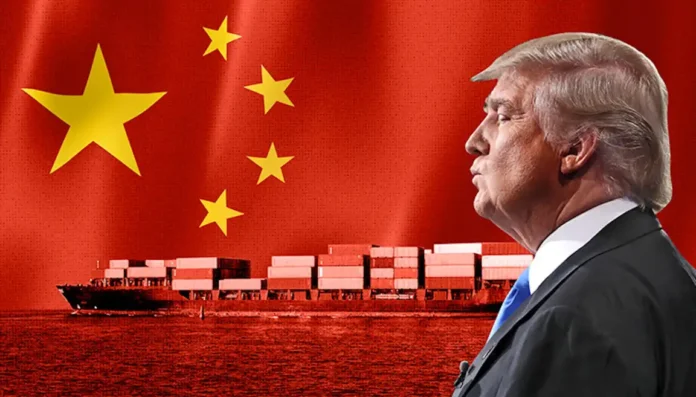

The EU China 100% tariffs aren’t happening because WTO rules, economic dependence, and diplomatic priorities prevent extreme measures. Instead, the EU uses targeted sanctions and careful negotiation, protecting European businesses while maintaining stable trade relations with China.
KumDi.com
The European Union refuses to follow Trump’s call for 100% tariffs on China due to a combination of strict international trade laws, economic interdependence, and strategic diplomatic goals. Unlike the U.S., the EU carefully balances legal obligations and economic interests, avoiding actions that could disrupt supply chains or escalate trade tensions.
In recent years, trade tensions between major global economies have captured headlines around the world. During former U.S. President Donald Trump’s administration, aggressive tariff strategies were a cornerstone of his approach to international trade, particularly concerning China. Trump advocated for tariffs ranging from 50% to 100% on Chinese goods, aiming to curb trade deficits and pressure China on issues such as intellectual property, market access, and industrial subsidies. While the United States pursued this confrontational stance, the European Union has consistently taken a more measured approach, refraining from imposing extreme tariffs on China. Understanding why the EU resists following the U.S.’s path requires an exploration of its legal framework, economic priorities, and diplomatic strategy.
Table of Contents
Legal and Institutional Frameworks Limit EU Action
One of the primary reasons the EU avoids extreme tariffs is its strict adherence to international trade law. The European Union operates under the rules established by the World Trade Organization (WTO), which governs global trade relations and sets limits on tariff imposition. According to WTO guidelines, member countries can only implement tariffs in response to specific circumstances, such as evidence of dumping, unfair subsidies, or other trade-distorting practices. This legal framework ensures that any trade restrictions imposed by the EU are based on thorough investigations and legal justification.
Imposing tariffs of 50% to 100% on Chinese imports without proper legal procedures would be a direct violation of these rules. Such actions could trigger retaliatory measures not only from China but also from other global trade partners, potentially dragging the EU into prolonged trade disputes. The EU’s commitment to a rules-based international trading system ensures that it prioritizes legal legitimacy over reactionary measures, even when facing political pressure from other nations.
Furthermore, EU member states themselves are bound by internal regulations that govern trade policy. Any decision to impose tariffs of this magnitude would require approval from multiple institutions, including the European Commission and the Council of the European Union. These checks and balances inherently slow down decision-making and discourage impulsive or extreme policy shifts. This contrasts sharply with the U.S., where trade policy can be enacted more swiftly through executive action, allowing for bolder, albeit riskier, approaches.
Economic Interdependence with China
Another critical factor shaping the EU’s stance is the deep economic interdependence between the European Union and China. China has become one of the EU’s most important trading partners, with bilateral trade encompassing a wide range of goods and services. European countries import electronics, machinery, rare earth elements, and consumer products from China, all of which are integral to European manufacturing and daily life. Conversely, European exporters rely on access to Chinese markets to sell automobiles, luxury goods, machinery, and agricultural products.
Implementing extreme tariffs would disrupt these carefully balanced trade relationships. For European businesses, the consequences of a sudden 100% tariff could be devastating. Manufacturing costs could rise sharply due to limited access to Chinese raw materials and intermediate goods, leading to increased prices for consumers. Supply chains that have been optimized for decades could be thrown into disarray, causing delays and inefficiencies across multiple industries. The risk of inflationary pressures is a genuine concern, as higher import costs would likely be passed along to European consumers, undermining economic stability.
Moreover, the EU’s export sectors would suffer significant setbacks if China retaliated with its own tariffs. European companies that rely on the Chinese market could lose market share to competitors from other countries, leading to job losses and reduced economic growth. These economic considerations create a strong incentive for the EU to seek measured responses rather than following unilateral, extreme tariff measures proposed by the U.S.
Diplomatic Considerations and Strategic Autonomy
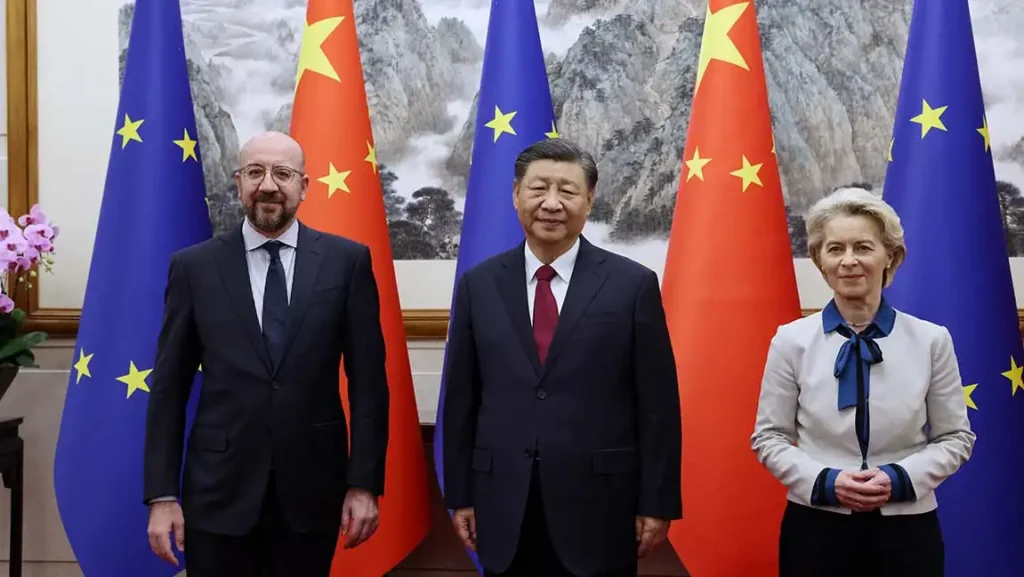
The European Union’s approach to China is also shaped by broader diplomatic considerations. Unlike the U.S., which has historically taken a more confrontational stance toward Beijing, the EU emphasizes strategic autonomy and multilateral engagement. The EU prefers targeted measures and dialogue over sweeping, punitive tariffs that could escalate trade tensions. This approach allows the EU to maintain influence in international negotiations while avoiding unnecessary confrontations.
Targeted sanctions have been the preferred tool for addressing specific grievances with China. For example, the EU has imposed sanctions on Chinese entities involved in human rights violations or activities related to geopolitical conflicts, while deliberately avoiding broad-based tariffs on Chinese goods. This selective approach balances the need to assert European values and interests without jeopardizing economic stability or diplomatic relationships.
Additionally, the EU’s trade policy reflects a long-term strategic vision that prioritizes cooperation and negotiation over retaliation. The bloc recognizes that overly aggressive measures could weaken its credibility as a mediator in global trade disputes and diminish its ability to influence China on issues such as environmental standards, intellectual property protections, and fair trade practices.
Public Opinion and Political Realities
Public opinion and domestic politics within EU member states also play a role in shaping trade policy. European citizens and industries are acutely aware of the potential fallout from high tariffs, and political leaders are cautious about supporting measures that could harm their own economies. The agricultural, automotive, and technology sectors, in particular, are highly sensitive to disruptions in trade with China, and lobbying from these industries has historically influenced EU trade policy.
Moreover, the EU operates as a consensus-driven institution. Decisions require negotiation and agreement among multiple member states, each with unique economic priorities and political considerations. Achieving unanimous support for extreme tariffs is therefore highly unlikely. Policymakers must weigh the potential benefits of punitive tariffs against the risks to economic stability, employment, and international reputation.
Global Implications of EU Restraint
The EU’s reluctance to impose extreme tariffs on China has significant implications for global trade. By maintaining a more measured approach, the EU helps stabilize international markets and signals a commitment to rules-based trade. Its restraint serves as a counterbalance to the more confrontational policies of other major economies, fostering an environment where negotiation and cooperation remain viable tools for resolving trade disputes.
Furthermore, the EU’s cautious stance demonstrates that global trade is increasingly shaped by interdependence rather than unilateral action. Extreme tariffs, while politically popular in certain contexts, risk creating ripple effects that extend far beyond the immediate parties involved. By avoiding such measures, the EU reinforces the importance of strategic thinking and long-term planning in international trade policy.
Conclusion
While the idea of imposing 50% to 100% tariffs on China may appeal to some policymakers as a bold tactic to assert economic power, the European Union has consistently demonstrated restraint. Legal obligations under the WTO, deep economic interdependence with China, strategic diplomatic priorities, and internal political realities all converge to discourage extreme tariff measures. The EU’s approach highlights a commitment to a rules-based trading system, long-term economic stability, and measured diplomacy.
In a global economy marked by complex supply chains and interlinked markets, extreme unilateral tariffs are not a practical solution. The European Union’s refusal to adopt such measures reflects a sophisticated understanding of the delicate balance between asserting national interests and maintaining international stability. By choosing dialogue, targeted sanctions, and measured trade interventions over sweeping tariffs, the EU positions itself as a responsible global actor capable of navigating the challenges of modern trade while safeguarding its economic and strategic interests.
FAQs
Why won’t the EU impose 100% tariffs on China?
The EU avoids 100% tariffs on China due to WTO trade rules, economic dependence on Chinese imports, and strategic diplomacy. Targeted sanctions are preferred over broad tariffs to maintain stable trade relations.
How does WTO law affect EU trade with China?
WTO law requires tariffs to be justified and legally investigated. The EU cannot impose extreme measures on China without violating international trade rules and risking retaliation.
What economic factors prevent the EU from hitting China with high tariffs?
Europe imports electronics, machinery, and rare materials from China. High tariffs could disrupt supply chains, raise costs, and harm European businesses and exporters.
Does the EU use other measures instead of tariffs against China?
Yes, the EU relies on targeted sanctions, legal measures, and negotiation to address trade concerns with China, prioritizing diplomacy and market stability.
How do EU-China relations influence trade policy decisions?
Strong trade ties and interdependence with China encourage the EU to pursue measured trade policies, balancing economic growth with international legal obligations and strategic diplomacy.




 and then