








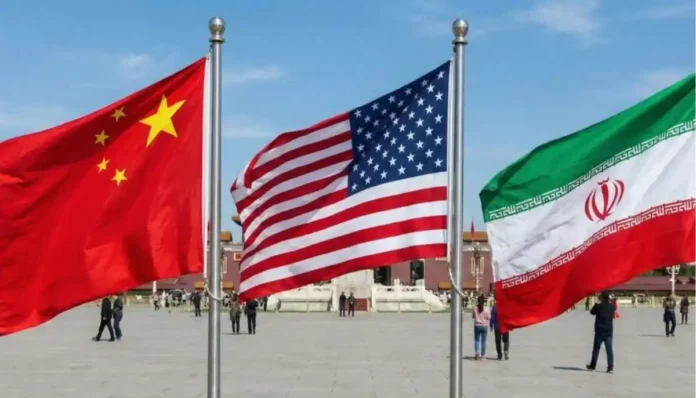

Yes—under most plausible geopolitical and economic scenarios, China stands to benefit significantly from an Iran-centered conflict. While it avoids direct military involvement, it can gain through energy security advantages, expanded diplomatic influence, weakened Western cohesion, and accelerated alternative trade systems—all central to its long-term global strategy.
KumDi.com
The idea that China could emerge as the biggest winner from a war involving Iran may seem counterintuitive at first glance. Wars typically produce instability, disrupt trade, and raise global risks. However, modern geopolitical competition is less about battlefield victories and more about who gains structural advantages while others absorb the costs.
In a conflict involving Iran—especially one that draws in United States or regional actors—China’s strategic positioning allows it to benefit indirectly without bearing proportional risk. This article explains exactly how.
Table of Contents
Strategic Positioning: Winning Without Fighting
China’s foreign policy doctrine emphasizes non-intervention combined with economic expansion. Unlike the United States, which often plays a direct military role, China focuses on:
- Trade networks
- Infrastructure investments
- Diplomatic balancing
In a conflict involving Iran:
- The U.S. and its allies would likely bear military, financial, and political costs
- Regional instability would distract Western strategic focus
- China can remain formally neutral while deepening ties behind the scenes
Real-World Parallel
China applied a similar strategy during prolonged Middle Eastern instability in the 2000s–2020s, expanding trade while Western nations were engaged militarily.
Energy Security: Buying Oil at a Discount
One of the most immediate benefits for China comes from energy markets.
Mechanism
If war disrupts Iran’s ability to sell oil through normal channels:
- Iran seeks alternative buyers
- China, already a major importer, gains leverage
- Oil is often sold at discounted prices outside formal sanctions systems
Why This Matters
China is the world’s largest energy importer. Lower energy costs mean:
- Reduced manufacturing costs
- Increased export competitiveness
- Stronger industrial resilience
Practical Example
Even under sanctions in the early 2020s, China continued purchasing Iranian oil through indirect channels. In wartime conditions, these arrangements typically expand.
Weakening Western Influence
A war involving Iran would likely strain the geopolitical position of the United States and its allies.
Key Effects
- Military engagement diverts U.S. resources from Asia-Pacific
- Political divisions within Western alliances may widen
- Economic strain from war spending and energy shocks
China’s Advantage
China can use this window to:
- Expand influence in Asia, Africa, and Latin America
- Strengthen its position in contested regions like the South China Sea
- Promote alternative global governance models
Expansion of the Belt and Road Initiative (BRI)
China’s Belt and Road Initiative is central to its long-term strategy.
How War Helps BRI
Conflict reshapes trade routes:
- Traditional Western-aligned routes become unstable
- Countries seek alternative infrastructure partnerships
- China positions itself as a reliable economic partner
Iran’s Role
Iran is geographically critical:
- Connects Central Asia, the Middle East, and Europe
- Serves as a land bridge for energy and trade
Even during instability, China invests in long-term infrastructure, ensuring post-war dominance in reconstruction and logistics.
Financial System Leverage: Challenging the Dollar
Wars often trigger financial sanctions, especially by the U.S.
Outcome
- Countries targeted by sanctions seek alternatives to the U.S. dollar
- China promotes:
- Yuan-based trade
- Cross-border payment systems independent of SWIFT
Strategic Gain
This accelerates de-dollarization trends, a core Chinese objective.
Real-World Evidence
China and Iran have already conducted trade using non-dollar mechanisms, reducing exposure to Western financial systems.
Diplomatic Positioning: The “Peace Broker” Image
China increasingly positions itself as a neutral mediator.
Benefits in a Conflict Scenario
- Gains diplomatic credibility in the Global South
- Enhances reputation as a stabilizing force
- Contrasts with Western military involvement
Case Insight
China previously facilitated rapprochement between Iran and Saudi Arabia (2023), demonstrating its ability to act as a diplomatic broker.
Supply Chain Realignment: A Structural Advantage
War in the Middle East disrupts global supply chains, especially:
- Energy transport
- Maritime shipping routes
- Insurance and logistics costs
China’s Edge
China has spent decades building:
- Diversified supply chains
- Inland logistics corridors
- Strategic reserves
This allows China to:
- Absorb shocks better than competitors
- Capture market share when others face disruption
Risks for China: Not a Risk-Free Scenario
It’s important to avoid overstating the benefits. China also faces risks:
Key Risks
- Oil supply disruptions if conflict escalates uncontrollably
- Instability along Belt and Road routes
- Global economic slowdown reducing export demand
Mitigation Capacity
China’s diversified sourcing (Russia, Central Asia, Africa) and large reserves reduce—but do not eliminate—these risks.
Who Actually Loses?
Understanding China’s gains requires comparing them to others’ losses.
Likely Losers
- United States: Military costs, geopolitical distraction
- European Union: Energy insecurity, economic strain
- Middle Eastern economies: Infrastructure damage, instability
Relative Advantage
China doesn’t need absolute gains—it benefits by losing less while others lose more.
Step-by-Step Mechanism of China’s Advantage
1. Conflict erupts involving Iran
2. Western nations engage militarily or impose sanctions
3. Energy markets destabilize
4. China secures discounted oil
5. Trade routes shift toward Chinese-backed infrastructure
6. Dollar-based systems weaken in affected regions
7. China expands diplomatic and economic influence
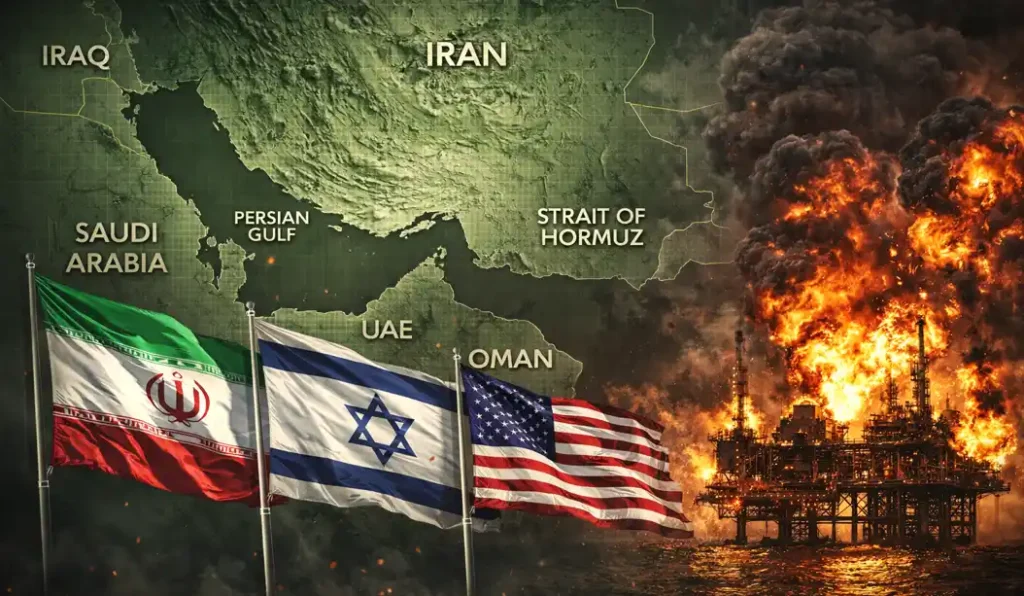
Conclusion: A Structural Winner, Not a Battlefield Victor
China is unlikely to “win” an Iran war in a traditional sense. It won’t claim territory or achieve military dominance. However, in the modern geopolitical landscape, the real victory lies in shaping global systems.
China’s advantage comes from:
- Strategic neutrality
- Economic opportunism
- Long-term infrastructure investment
- Financial system alternatives
In short, China doesn’t need to fight the war to benefit from it—it only needs to position itself where global disruptions translate into long-term leverage.
Key Takeaways
- China benefits indirectly from Iran-related conflict through economic and strategic positioning
- Discounted energy imports strengthen China’s industrial base
- Western military involvement creates geopolitical openings
- The Belt and Road Initiative gains relevance during instability
- Financial shifts away from the U.S. dollar accelerate
- Risks exist but are mitigated by diversification strategies




 and then