








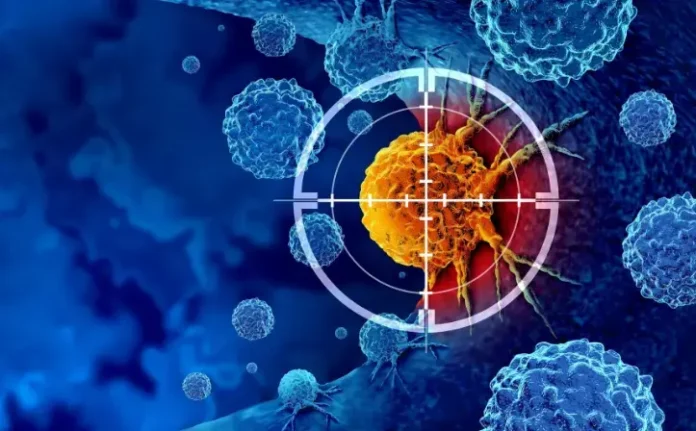

The “missing vitamin” most commonly linked to slowing cancer cell growth is Vitamin D. Research suggests it plays a role in regulating cell growth, immune function, and inflammation—processes directly involved in cancer development. However, it does not “stop” cancer on its own. Adequate levels may support prevention and improve outcomes alongside medical treatment, but it is not a cure or standalone therapy.
KumDi..com
Vitamin D is one of the most scientifically supported nutrients in cancer-related research—not because it “cures” cancer, but because it helps regulate the biological systems that cancer disrupts.
If there’s one actionable takeaway:
👉 Correcting Vitamin D deficiency is a low-risk, evidence-based step that may support cancer prevention and improve outcomes—but it must be part of a comprehensive medical approach.
Table of Contents
Why Vitamin D Is Linked to Cancer Biology
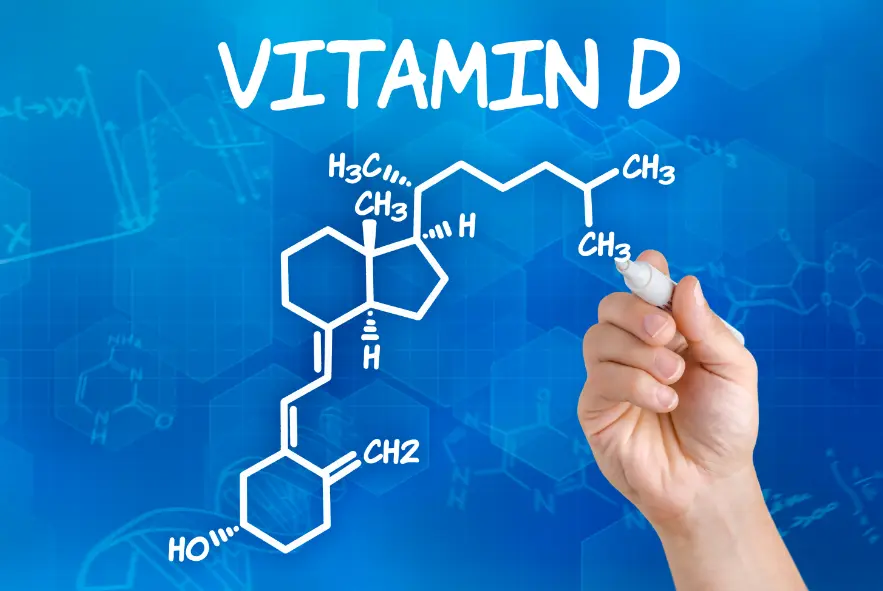
Vitamin D functions more like a hormone than a typical vitamin. Once activated in the body, it interacts with the vitamin D receptor (VDR) found in many tissues—including breast, colon, prostate, and immune cells.
From a clinical and molecular standpoint, Vitamin D influences several mechanisms that are central to cancer development:
1. Regulation of Cell Growth and Division
Healthy cells follow strict rules for when to grow and divide. Cancer cells ignore those rules.
Vitamin D helps:
- Slow abnormal cell proliferation
- Promote differentiation (cells becoming more specialized and less aggressive)
- Reduce uncontrolled tumor growth signals
2. Induction of Apoptosis (Programmed Cell Death)
One hallmark of cancer is the ability of cells to avoid death.
Vitamin D can:
- Trigger apoptosis in damaged or mutated cells
- Help eliminate potentially cancerous cells before they multiply
3. Anti-Inflammatory Effects
Chronic inflammation is a known driver of cancers such as:
- Colorectal cancer
- Breast cancer
- Prostate cancer
Vitamin D helps regulate inflammatory cytokines, reducing the environment that allows tumors to develop.
4. Immune System Modulation
Vitamin D enhances immune surveillance by:
- Supporting T-cell function
- Improving the body’s ability to detect and destroy abnormal cells
What the Research Actually Says (2026 Evidence Review)
High-quality studies—including meta-analyses and randomized trials—show associations, not miracle cures.
Key Findings:
- Low Vitamin D levels are consistently linked to higher cancer risk and worse outcomes
- Adequate levels are associated with:
- Reduced cancer mortality (not always incidence)
- Improved treatment response in some cancers
- Supplementation shows modest benefit, particularly in deficient individuals
For example:
- A large meta-analysis published in journals affiliated with the National Institutes of Health found that Vitamin D supplementation reduced cancer mortality by ~13%, but did not significantly prevent cancer onset in all populations.
Interpretation:
Vitamin D is supportive, not curative. Its biggest impact is seen when correcting deficiency—not in megadoses.
Why Vitamin D Deficiency Is So Common
From a real-world clinical perspective, deficiency is widespread—even in developed countries.
Common Causes:
- Limited sun exposure (especially in urban environments like Seoul)
- Indoor lifestyles and screen-based work
- Sunscreen overuse (blocks UVB needed for synthesis)
- Aging (reduced skin production)
- Obesity (Vitamin D gets sequestered in fat tissue)
High-Risk Groups:
- Office workers
- Elderly individuals
- Patients with chronic illnesses
- People with darker skin tones
Optimal Vitamin D Levels for Cancer-Related Health
Measured via blood test: 25(OH)D (25-hydroxyvitamin D)
| Level | Interpretation |
|---|---|
| < 20 ng/mL | Deficient |
| 20–30 ng/mL | Insufficient |
| 30–50 ng/mL | Optimal range |
| > 60 ng/mL | Potential excess |
Most oncology-focused guidelines suggest maintaining:
👉 30–50 ng/mL for supportive health
Practical Ways to Restore Vitamin D Safely
1. Sun Exposure (Primary Source)
- 10–20 minutes of midday sun (arms/legs exposed)
- 3–4 times per week
2. Diet (Limited but Helpful)
Foods rich in Vitamin D:
- Fatty fish (salmon, mackerel)
- Egg yolks
- Fortified dairy or plant milk
3. Supplementation (Most Reliable)
Typical clinical approach:
- 1,000–2,000 IU daily for maintenance
- Higher doses under medical supervision if deficient
⚠️ Avoid excessive intake (>4,000 IU/day long-term) without testing.
Real-World Clinical Insight
In oncology and preventive medicine settings, Vitamin D is often part of a broader metabolic optimization strategy, especially for patients undergoing:
- Chemotherapy
- Immunotherapy
- Post-surgical recovery
Clinicians do not rely on Vitamin D alone, but use it to:
- Reduce inflammation
- Support immune resilience
- Improve overall treatment tolerance
Important Limitations and Misconceptions
❌ Myth: “Vitamin D stops cancer cells completely”
Reality: It can influence cancer cell behavior but does not replace medical treatment.
❌ Myth: “More is better”
Reality: Excess Vitamin D can cause toxicity (hypercalcemia, kidney issues).
❌ Myth: “Supplements prevent all cancers”
Reality: Effects vary by cancer type, genetics, and overall health.
Who Should Get Tested?
You should consider testing if you:
- Have a cancer diagnosis
- Have chronic fatigue or immune issues
- Spend most of your time indoors
- Live in low-sunlight environments
Testing is simple and widely available.
The Bigger Picture: Vitamin D as Part of a Cancer Prevention Strategy
Vitamin D works best when combined with:
- Anti-inflammatory diet (Mediterranean-style)
- Regular physical activity
- Weight management
- Avoidance of smoking and excessive alcohol
Cancer prevention and control are multifactorial, not dependent on a single nutrient.
FAQs
Can Vitamin D stop cancer cell growth completely?
No. Vitamin D may help regulate cell growth and support immune function, but it does not completely stop cancer cells or replace medical treatments like chemotherapy or surgery.
Which types of cancer are most associated with Vitamin D levels?
Research most strongly links Vitamin D levels with outcomes in Colorectal cancer, Breast cancer, and Prostate cancer, although evidence varies by study and population.
What is the ideal Vitamin D level for overall health?
Most experts recommend maintaining blood levels of 25(OH)D between 30–50 ng/mL for general health and potential supportive benefits related to cancer outcomes.
Can taking Vitamin D supplements reduce cancer risk?
Supplementation may help reduce cancer mortality in people with deficiency, but it does not guarantee prevention. Benefits are typically modest and depend on overall health, dosage, and baseline levels.
Is it safe to take high doses of Vitamin D daily?
High doses can be harmful. Excess intake may lead to toxicity, including high calcium levels and kidney problems. Always base supplementation on blood testing and medical guidance.




 and then