








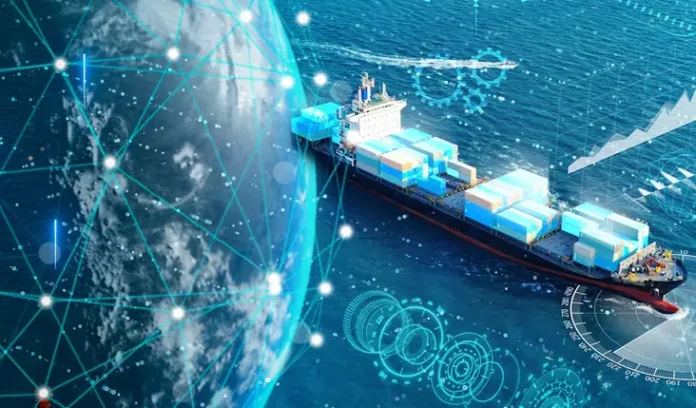

The 2025 global economy new era marks a turning point defined by digital transformation, climate action, and shifting demographics. Challenges include inflation, debt, and geopolitical tensions, while opportunities emerge in AI, clean energy, and emerging markets. Adaptability and resilience are essential for success in this evolving economic landscape.
KumDi.com
The global economy is at a critical inflection point. Geopolitical tensions, technological revolutions, climate change, and shifting demographics are reshaping how nations trade, innovate, and grow. For decades, globalization fueled economic expansion, but today, new dynamics—such as deglobalization, digital transformation, and sustainability mandates—are creating both uncertainty and opportunity.
In this article, we will explore the key forces driving the new era of global economics, what they mean for governments, businesses, and consumers, and how the future economic order may evolve.
Table of Contents

1. End of Hyper-Globalization: The Rise of Regionalism
For over 30 years, globalization drove efficiency, growth, and interconnected markets. However, recent years have shown vulnerabilities in supply chains, dependency on single markets, and rising national security concerns.
Key Trends:
- Regional trade blocs (e.g., ASEAN, EU, USMCA) are strengthening.
- Nearshoring and reshoring production to reduce reliance on distant supply chains.
- Trade protectionism increasing through tariffs, export bans, and industrial subsidies.
Businesses must adapt by diversifying supply chains and investing in resilience rather than efficiency alone.
2. Digital Transformation and the AI Economy
The digital economy is no longer a supporting sector—it is the backbone of global growth. Artificial Intelligence, automation, and digital finance are transforming productivity and reshaping labor markets.
Impacts of AI and Digitalization:
- AI-driven productivity: McKinsey estimates AI could add $15 trillion to global GDP by 2030.
- Workforce displacement: Millions of jobs will be automated, requiring reskilling.
- Fintech and digital currencies: From central bank digital currencies (CBDCs) to blockchain-based finance, money itself is being redefined.
This digital shift favors economies that invest in education, innovation, and infrastructure to stay competitive.
3. Climate Change and the Green Economy Transition
The era of fossil fuel-driven growth is ending. Climate change is not just an environmental issue—it’s a major economic risk and opportunity.
Global Shifts:
- Carbon pricing and regulations are forcing industries to decarbonize.
- Green energy investment (solar, wind, hydrogen) is reaching record highs.
- Climate adaptation is becoming a top priority for vulnerable nations.
The green economy could generate $10 trillion in new business opportunities by 2030, according to the World Economic Forum. Governments and companies that move early will dominate the future market.
4. Geopolitics, Security, and Fragmented Growth
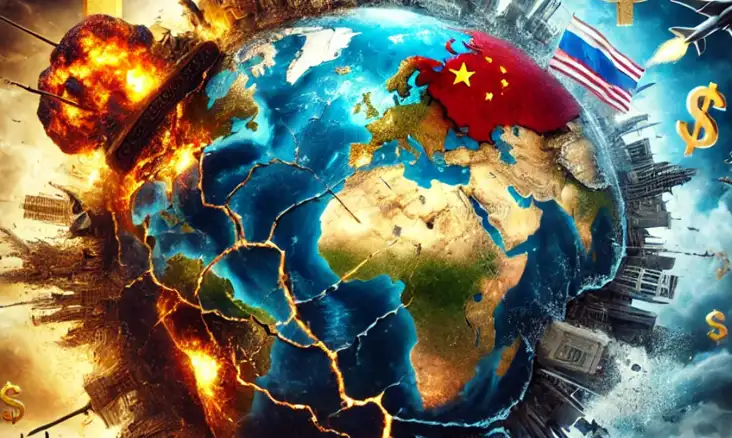
Geopolitical uncertainty is a defining feature of the new economic era. Wars, sanctions, and power rivalries are creating fragmented trade systems.
- US-China rivalry continues to divide technological and trade standards.
- Europe’s energy crisis has reshaped global energy flows.
- Emerging markets are seeking more independence, forming alternative alliances such as BRICS+.
The shift signals the rise of a multipolar world economy, where regional powers exert more influence than a single global leader.
5. Demographics: Aging Populations vs. Youthful Economies
Demographic trends will shape long-term growth.
- Aging economies: Japan, South Korea, and parts of Europe face declining workforces and rising healthcare costs.
- Youth-driven economies: Africa, India, and Southeast Asia have young, growing populations that can drive innovation and consumption.
- Migration policies will become crucial to balance labor shortages in developed economies.
Investors and policymakers must understand where demographic dividends exist and where they are shrinking.
6. Inflation, Debt, and Financial Stability
Global economies are struggling with inflation, high debt, and tighter monetary policies.
- Rising interest rates are cooling growth but necessary to control inflation.
- Public debt levels are reaching historic highs after pandemic spending.
- Currency volatility remains a risk in emerging markets.
The new era requires a careful balance between growth and stability—avoiding both runaway inflation and recession.
7. The Role of Innovation and Entrepreneurship

Despite challenges, innovation remains the ultimate driver of prosperity. From biotechnology to quantum computing, breakthroughs will fuel the next wave of economic growth.
- Startups and SMEs are critical engines of job creation.
- Digital entrepreneurship allows small players to reach global markets instantly.
- Public-private partnerships will accelerate the commercialization of new technologies.
In this era, knowledge economies will outperform resource-dependent ones.
8. Opportunities for Businesses and Investors
While risks are real, the new global economic order opens vast opportunities.
Key Investment Areas:
- Clean energy & sustainable infrastructure
- AI, automation, and advanced manufacturing
- Healthcare and biotech
- Emerging market consumer economies
Forward-thinking businesses that align with these trends will lead in the coming decades.
9. What Governments Must Do to Adapt
To thrive in the new global economy, governments must balance growth, security, and sustainability.
- Invest in education and digital skills.
- Reform tax and labor policies to support innovation.
- Strengthen economic resilience through diversified supply chains.
- Lead climate action with clear incentives for clean energy.
Collaboration, not isolation, will be the defining success factor.
Conclusion: A New Era of Global Economics
The global economy is no longer defined by one single force such as globalization or technology—it is shaped by a complex interplay of digitalization, climate, demographics, and geopolitics.
This new era of global economics will be more fragmented, competitive, and innovation-driven than ever before. While uncertainty is high, so are the opportunities for those who adapt.
As we move forward, businesses, policymakers, and individuals must recognize that resilience, sustainability, and adaptability will define success in the world economy of tomorrow.
FAQs
What does the global economy new era mean?
The global economy new era refers to a transformation driven by technology, sustainability, and geopolitical shifts. Unlike past decades of globalization, this era focuses on resilience, digital growth, and sustainable practices that reshape global economic challenges and opportunities.
What are the biggest global economic challenges today?
Key global economic challenges include inflation, rising debt, supply chain disruptions, climate change, and geopolitical tensions. These issues reshape the future of global economy, requiring nations and businesses to prioritize adaptability and long-term stability.
What opportunities exist in the new global economy?
Opportunities in the global economy new era include investing in clean energy, artificial intelligence, digital finance, and emerging markets. Businesses focusing on innovation and sustainable growth can gain advantages in rapidly evolving world markets.
How will AI impact the future of the global economy?
Artificial Intelligence will drive productivity, reshape industries, and create new economic opportunities. While some jobs face automation risks, AI fosters innovation, efficiency, and new business models that define the future of global economy.
Which regions will lead in the global economy new era?
Regions with strong demographics, digital infrastructure, and green investments—such as Asia, Africa, and parts of North America—are expected to lead. These regions balance global economic challenges with the ability to capture opportunities in sustainable development and technology-driven growth.




 and then