








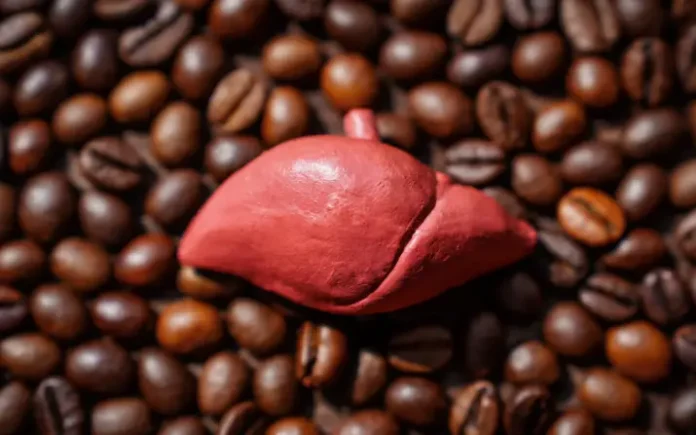

What is one food that may help protect the liver?
KumDi.com
Coffee is one of the best-studied dietary choices associated with better liver health. Research suggests regular coffee consumption may be linked to a lower risk of cirrhosis and liver cancer. However, coffee does not cure liver disease and should complement—not replace—a healthy diet, weight management, physical activity, and appropriate medical treatment.
If you are looking for one dietary item with some of the strongest evidence for a potential liver-protective association, coffee is a leading candidate. Coffee is technically a beverage rather than a food, but it stands out because observational research has consistently linked regular coffee consumption with a lower risk of several forms of chronic liver disease, including cirrhosis and hepatocellular carcinoma (HCC). Importantly, however, coffee does not cure liver disease, reverse advanced cirrhosis on its own, or replace medical treatment.
The broader evidence is even more important: liver health depends on an overall dietary pattern, body weight, metabolic health, alcohol exposure, physical activity, and the specific cause and stage of liver disease. For metabolic dysfunction-associated steatotic liver disease (MASLD), formerly called nonalcoholic fatty liver disease (NAFLD), current guidance emphasizes a healthy calorie-controlled eating pattern—often Mediterranean-style—rather than relying on a single “superfood.”
Table of Contents

Why Coffee Is the Standout Choice
Coffee contains hundreds of biologically active compounds. Caffeine is one of the best-known, but coffee also contains polyphenols and other compounds that may influence oxidative stress, inflammation, glucose metabolism, and liver enzymes.
The important distinction is between biological plausibility and proven treatment.
Researchers have observed that people who drink coffee regularly tend to have better liver-related outcomes than people who do not drink coffee. A systematic review found associations between coffee consumption and improved levels of liver enzymes such as alanine aminotransferase (ALT), aspartate aminotransferase (AST), and gamma-glutamyltransferase (GGT). It also reported associations with a lower risk of progression to cirrhosis and a lower rate of liver cancer among people with chronic liver disease.
Those findings are encouraging, but most of this evidence is observational. That means researchers can identify an association without proving that coffee itself caused the better outcome. Coffee drinkers may differ from non-coffee drinkers in other health behaviors, dietary patterns, socioeconomic factors, or medical characteristics.
Therefore, the medically responsible conclusion is:
Coffee may be associated with better liver outcomes, but it should be viewed as one potentially beneficial part of a liver-healthy lifestyle—not as a treatment for liver disease.
What Exactly Is Liver Disease?
“Liver disease” is an umbrella term covering many different conditions.
The liver processes nutrients, produces important proteins, helps regulate metabolism, stores energy, processes medications and toxins, and contributes to digestion. Liver disease occurs when this organ becomes injured or its normal functions are disrupted.
Common causes include:
- MASLD/NAFLD and MASH/NASH
- Alcohol-associated liver disease
- Chronic hepatitis B
- Chronic hepatitis C
- Autoimmune liver diseases
- Genetic and metabolic disorders
- Certain medications or toxins
- Bile duct disorders
- Other less common causes
This distinction matters because there is no single food that treats every type of liver disease.
For example, chronic hepatitis B requires appropriate medical assessment and, when indicated, antiviral treatment. Alcohol-associated liver disease requires addressing alcohol exposure. Advanced cirrhosis may require specialist management, nutritional intervention, medications, procedures, or transplantation depending on the complications.
How Fatty Liver Disease Develops
One of the most common forms of chronic liver disease is MASLD, in which excess fat accumulates in the liver in association with cardiometabolic risk factors.
Risk increases with conditions such as:
- Overweight or obesity
- Insulin resistance
- Type 2 diabetes
- High triglycerides or abnormal cholesterol
- Metabolic syndrome
- Physical inactivity
MASLD can exist without substantial inflammation, but some people develop MASH, in which fat accumulation is accompanied by liver inflammation and injury. Progressive disease can lead to fibrosis, cirrhosis, and, in some cases, liver cancer.
This progression explains why “detoxing the liver” with a single food is an oversimplification. The most effective strategy is to address the factors driving liver injury.
Could Coffee Actually Help the Liver?
There are several plausible explanations for the association.
1. Coffee contains antioxidant and anti-inflammatory compounds
Oxidative stress and inflammation are involved in several chronic liver diseases. Coffee contains polyphenolic compounds that may influence these processes.
This does not mean that drinking coffee eliminates inflammation or prevents liver injury. Rather, it provides a biologically plausible explanation for some of the associations seen in population studies.
2. Coffee may influence liver enzymes
Studies have repeatedly examined coffee consumption in relation to ALT, AST, and GGT. Some research has found more favorable enzyme profiles among coffee drinkers.
However, liver enzymes are not themselves a complete measurement of liver health. A person can have significant fibrosis despite relatively modest enzyme abnormalities, so normal ALT or AST should never be interpreted as proof that the liver is completely healthy.
3. Coffee consumption has been associated with lower cirrhosis risk
One of the more interesting findings in the literature is the association between coffee consumption and reduced risk of cirrhosis or progression of chronic liver disease. A systematic review reported this relationship across multiple studies.
Again, association is not the same as causation. Coffee should not be prescribed as a substitute for treatment.
4. Coffee has been associated with a lower risk of liver cancer
Hepatocellular carcinoma is the most common primary liver cancer. Several observational studies have reported an inverse association between coffee consumption and HCC risk.
That is a potentially important finding, particularly because chronic viral hepatitis, cirrhosis, and other chronic liver conditions can increase HCC risk.
But drinking coffee does not eliminate cancer risk. People at increased risk still need appropriate medical surveillance when recommended by their clinician.
What About Fatty Liver Specifically?
For people with MASLD, the bigger dietary picture matters much more than coffee alone.
The National Institute of Diabetes and Digestive and Kidney Diseases recommends dietary strategies such as reducing excessive calorie intake, replacing saturated and trans fats with healthier unsaturated fats, emphasizing low-glycemic foods such as vegetables, fruits, and whole grains, and limiting foods and beverages containing large amounts of simple sugars—particularly sugar-sweetened drinks.
This is where coffee can fit into a healthy eating pattern.
For example:
Potentially reasonable choice:
Unsweetened coffee alongside a breakfast containing whole grains, fruit, nuts, or another nutrient-dense protein source.
Less helpful choice:
A very large coffee drink containing substantial amounts of added sugar, syrups, whipped cream, and high-calorie toppings.
The liver does not necessarily benefit simply because the word “coffee” appears on the cup. The nutritional composition of the entire drink matters.
Does Coffee Have to Be Black?
Not necessarily.
The strongest practical principle is to avoid turning a potentially beneficial beverage into a major source of added sugar and excess calories.
If you prefer coffee with milk, a modest amount can fit comfortably within a balanced diet for many people. The greater concern is routinely consuming large quantities of added sugar or calorie-dense ingredients.
People with diabetes, obesity, or MASLD may find this particularly relevant because excess calories and high intake of sugar-sweetened beverages can work against the metabolic goals that are important for liver health.
How Much Coffee Should You Drink?
There is no universally established therapeutic coffee dose for liver disease.
Research studies have evaluated different quantities, types, and patterns of consumption, so it would be inappropriate to tell someone with liver disease to start drinking a specific number of cups as though coffee were a prescription medication.
Coffee tolerance also varies substantially.
Excessive caffeine can contribute to:
- Insomnia
- Anxiety or jitteriness
- Palpitations
- Gastrointestinal symptoms
- Headaches or withdrawal symptoms
People who are pregnant, have certain heart conditions, experience significant caffeine sensitivity, or take medications affected by caffeine should discuss their intake with a healthcare professional.
The key point is simple: more coffee is not necessarily better.
The Bigger Dietary Winner: A Mediterranean-Style Pattern
If the goal is improving liver health rather than identifying a single food, the Mediterranean-style diet has a much stronger practical role.
This pattern generally emphasizes:
- Vegetables
- Fruits
- Whole grains
- Beans and legumes
- Nuts and seeds
- Fish
- Unsaturated fats such as olive oil
- Minimally processed foods
It generally limits excessive amounts of:
- Added sugars
- Refined carbohydrates
- Saturated fat
- Highly processed foods
- Sugar-sweetened beverages
AASLD educational guidance notes that a calorie-deficit diet emphasizing high-fiber foods and unsaturated fats, including a Mediterranean-style diet, can be encouraged for people with MASLD because of its metabolic and cardiovascular benefits.
So if someone asks, “What is the best food for my fatty liver?” a clinically useful answer is often not a single food at all. It is a sustainable dietary pattern that improves metabolic health and helps achieve an appropriate body weight.
Weight Loss Can Matter More Than Any Individual Food
For people with MASLD who have overweight or obesity, gradual weight loss can substantially improve liver health.
NIDDK reports that losing at least 3% to 5% of body weight can reduce liver fat, while greater weight loss—often around 7% to 10%—may be needed to improve liver inflammation and fibrosis.
This gives coffee an important reality check.
Suppose two people drink coffee every morning:
- Person A drinks unsweetened coffee but regularly consumes excess calories, sugary beverages, highly processed foods, and large portions.
- Person B drinks a moderate amount of coffee while following a calorie-appropriate, Mediterranean-style eating pattern and exercising regularly.
The second person’s overall lifestyle is much more relevant to liver health than the presence of coffee itself.
What About Cirrhosis?
Cirrhosis is advanced liver scarring. It is not simply another stage of “fatty liver.”
Nutrition becomes particularly important in cirrhosis because people can develop malnutrition and muscle loss. NIDDK notes that malnutrition is common among people with cirrhosis and that nutritional needs vary according to disease severity and individual circumstances.
Therefore, someone with established cirrhosis should not make major dietary changes based on an internet article alone.
For some people with cirrhosis, dietary priorities include maintaining adequate calories and protein, managing sodium intake when fluid retention is present, and avoiding alcohol. A clinician or registered dietitian specializing in liver disease can individualize these recommendations.
Foods and Drinks to Limit for Liver Health
If you are trying to improve liver health, removing harmful dietary patterns can be just as important as adding a potentially beneficial food.
Limit sugar-sweetened beverages
Soft drinks, sweetened teas, energy drinks, and other sugary beverages can deliver substantial amounts of rapidly absorbed sugar without providing much satiety. NIDDK specifically recommends avoiding foods and beverages containing large amounts of simple sugars, including fructose-containing sweetened drinks.
Reduce excess saturated and trans fats
Replacing these fats with healthier unsaturated fats is consistent with dietary recommendations for people with fatty liver disease.
Avoid or minimize alcohol when liver disease is present
Alcohol can cause or worsen liver injury. For alcohol-associated liver disease, complete abstinence is a core component of treatment.
The appropriate advice can differ by diagnosis, so people with known liver disease should discuss alcohol with their healthcare professional rather than assuming that a “safe” amount applies to everyone.
Be cautious with “liver detox” supplements
Natural does not automatically mean safe.
Some herbal products and dietary supplements can injure the liver. NIDDK specifically advises people to discuss supplements and complementary treatments with their doctor because some herbal remedies can cause liver damage.
A Practical Liver-Healthy Day
A realistic approach might look like this:
Morning:
Moderate coffee, preferably without a large amount of added sugar, paired with a balanced breakfast.
Lunch:
Vegetables, beans or another lean protein source, whole grains, and an unsaturated fat such as olive oil.
Snack:
Fruit, plain yogurt, or a small portion of nuts depending on individual nutritional needs.
Dinner:
Fish or another nutrient-dense protein, vegetables, and a high-fiber carbohydrate such as legumes or whole grains.
Throughout the day:
Water as the primary beverage, with regular physical activity and appropriate portion sizes.
This example is not a medical prescription. People with diabetes, advanced liver disease, kidney disease, cirrhosis, or other conditions may need a substantially different eating plan.
When Liver Disease Needs Medical Attention
Liver disease can be silent, particularly in its earlier stages. MASLD may produce few or no symptoms, even when significant disease is developing.
Seek medical evaluation if you have persistent abnormal liver tests or risk factors such as obesity, type 2 diabetes, metabolic syndrome, chronic viral hepatitis, or substantial alcohol exposure.
Urgent medical assessment is especially important for symptoms such as jaundice, vomiting blood, black or tarry stools, severe abdominal swelling, confusion, or significant deterioration in general condition.
A healthcare professional may use blood tests, imaging, elastography, and sometimes additional testing to determine whether liver disease is present and how advanced it may be.
Bottom Line: Is Coffee

FAQs
Is coffee good for people with liver cirrhosis?
Coffee may be beneficial for people with liver cirrhosis. Studies have associated regular coffee consumption with a lower risk of cirrhosis progression, liver-related complications, and hepatocellular carcinoma. However, coffee is not a treatment or cure for cirrhosis.
How much coffee can you drink with liver cirrhosis?
For most people who tolerate caffeine well, 1–2 cups of coffee per day is a reasonable amount. There is no proven therapeutic dose, so you should not increase coffee consumption solely to protect your liver.
Is hot or iced coffee better for liver health?
Neither is significantly better. Hot and iced coffee can both be reasonable choices. The more important factors are the amount consumed and what is added to the coffee. Choose unsweetened or minimally sweetened coffee when possible.
Can people with cirrhosis drink coffee every day?
Yes, many people with cirrhosis can drink coffee daily if they tolerate it and their healthcare provider has not advised otherwise. Coffee should be part of an overall liver-friendly lifestyle that includes avoiding alcohol, maintaining adequate nutrition, and managing the underlying cause of liver disease.
Does coffee reverse liver cirrhosis?
No. Coffee cannot reverse established cirrhosis or replace medical treatment. Its potential benefit comes from observational evidence showing an association with better liver outcomes. People with cirrhosis still need appropriate medical monitoring and treatment of the underlying liver condition.
Bottom Line: Is Coffee the One Food That May Combat Liver Disease?
Coffee is arguably the single dietary item with some of the most consistent observational evidence for a potentially protective association with chronic liver disease. Research has linked coffee consumption with more favorable liver enzymes and lower risks of cirrhosis progression and hepatocellular carcinoma.
But the scientifically accurate message is more nuanced:
Coffee may support liver health; it does not treat liver disease by itself.
For fatty liver disease, the highest-value strategy is usually a sustainable overall lifestyle that includes a nutrient-dense, calorie-appropriate eating pattern, regular physical activity, appropriate weight management, limited added sugars, and avoidance of harmful alcohol exposure. Current European and American liver guidance places lifestyle and metabolic risk management at the center of MASLD care.
References
- American Association for the Study of Liver Diseases (AASLD). Clinical Assessment and Management of Metabolic Dysfunction-Associated Steatotic Liver Disease. AASLD Practice Guidance and updates.
- National Institute of Diabetes and Digestive and Kidney Diseases (NIDDK), NIH. Eating, Diet, & Nutrition for NAFLD & NASH. Guidance on healthy dietary patterns, weight management, fats, sugars, and alcohol.
- NIDDK, NIH. Treatment for NAFLD & NASH. Information on weight loss, physical activity, liver fat, inflammation, and fibrosis.




 and then