








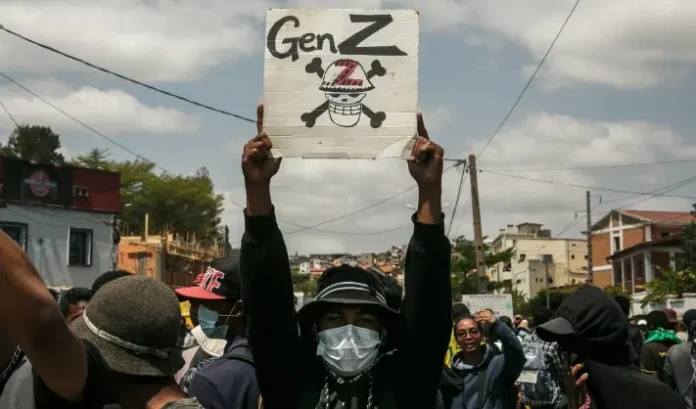

Gen Z Madagascar protests toppled their president after weeks of demonstrations over corruption, poor governance, and basic service failures. This youth-led revolt marks a new chapter in African politics—where a connected, frustrated generation can mobilize faster than ever before.
KumDi.com
In a stunning turn of events, Madagascar’s president was forced to step down following massive, youth-led demonstrations that paralyzed the nation for weeks. The movement—spearheaded by Generation Z—was born out of frustration with unemployment, service failures, and political arrogance. But beyond Madagascar’s borders, one question now echoes across Africa: Should other leaders be worried?
The answer may be yes. The fall of a president at the hands of digitally connected youth isn’t just a Malagasy story—it’s a sign of a generational reckoning sweeping across the continent.
Table of Contents

The Spark That Lit the Fire
The protests began over what seemed like a mundane issue: recurring blackouts and water shortages. But these outages were merely the breaking point. For years, citizens—especially the young—had endured poor infrastructure, rising food prices, and political corruption.
Gen Z activists, known for their creativity and digital fluency, used social media platforms to coordinate rallies, livestream police actions, and share real-time updates. Their videos and messages spread like wildfire, galvanizing thousands of frustrated citizens into the streets.
What started as an angry cry over electricity soon became a national movement demanding resignation, justice, and reform.
Why Generation Z Is a Game-Changer
Unlike earlier protest movements, Generation Z is uniquely equipped to mobilize. Born into the internet age, this demographic understands algorithms, virality, and digital storytelling. They don’t rely on traditional media outlets or political parties—they create their own platforms.
Their communication style is fast, visual, and emotional. Memes replace manifestos. Livestreams replace press conferences. Hashtags become battle cries.
This digital fluency gives them something past generations lacked: control over the narrative. Governments can shut down TV stations, but they cannot silence millions of smartphones.
Across Africa, where over 60% of the population is under 25, this reality poses a profound challenge to leaders who built their authority in the pre-digital era.
The Fall of a President
As protests escalated, attempts to suppress them backfired. Curfews were ignored, and arrests only amplified public anger. When parts of the security forces began sympathizing with the protesters, the president’s grip on power slipped.
In the end, the young protesters achieved what many thought impossible: they forced the nation’s leader to step down. What began as an outcry against blackouts turned into a political revolution—led not by seasoned politicians or opposition parties, but by a digitally organized generation demanding accountability.
The fall of the president symbolized more than regime change. It marked the rise of Gen Z as a political force in Africa.
Why This Terrifies Other African Leaders
The events in Madagascar have sent shockwaves through African capitals—from Nairobi to Lagos, from Harare to Kinshasa. The message is clear: the era of untouchable leaders may be ending.
There are several reasons why this movement should worry other African governments:
- Demographics are destiny. Africa’s median age is under 20. This means tens of millions of potential protesters share similar frustrations—joblessness, corruption, and disillusionment.
- Digital tools are unstoppable. Even with internet blackouts, information finds its way through VPNs, satellite connections, and global solidarity networks.
- Traditional repression no longer works. Tear gas and arrests can disperse crowds, but not ideas. Once a movement gains momentum online, it can regenerate instantly.
- The symbolism of victory spreads fast. The fall of one president inspires others. Just as the Arab Spring rippled across nations, the “Gen Z Wave” may be Africa’s next political domino.
Lessons from the Uprising
a. Service Delivery Matters
The protest began with daily frustrations—no power, no water, no jobs. For leaders, this is a reminder that political stability now depends on performance, not propaganda.
b. The Internet Is the New Battlefield
Governments that ignore online conversations do so at their peril. Social media isn’t just entertainment—it’s an organizing tool and a mirror reflecting public anger.
c. Youth Want a Seat at the Table
Today’s young Africans don’t just want to vote; they want to participate, innovate, and lead. Excluding them from governance only fuels resentment.
d. Militaries Are No Longer Guaranteed Allies
The defection of parts of the security apparatus during Madagascar’s crisis underscores another lesson: loyalty cannot be taken for granted. When soldiers identify more with the protesters than the politicians, regimes crumble.
The New Face of African Politics
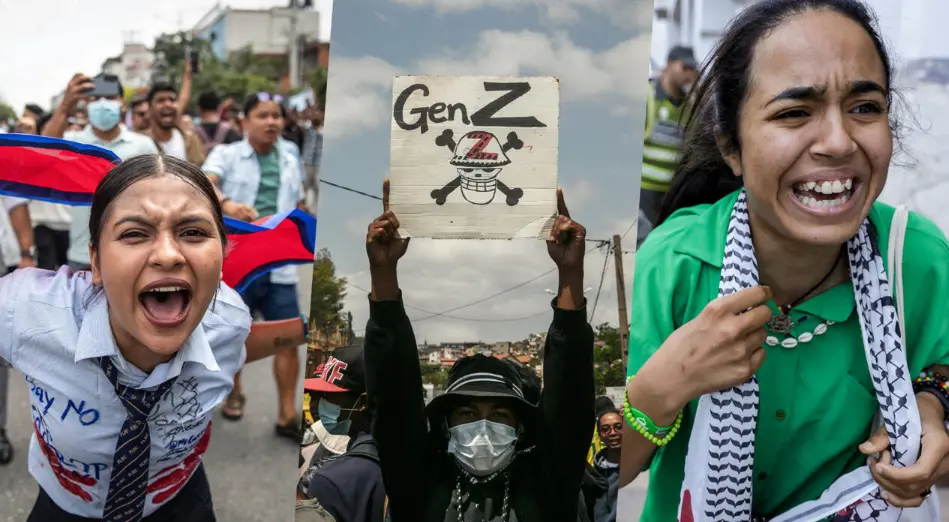
The Madagascar uprising isn’t an isolated event—it’s part of a larger pattern. Across the continent, young people are forming online communities that transcend borders, languages, and ideologies.
They are pan-African, data-driven, and fearless. They mock propaganda, expose scandals, and organize flash protests in hours. They may not wear party colors, but their power lies in authenticity and numbers.
For older political elites who built systems on patronage and censorship, this is unfamiliar territory. But for Generation Z, it’s home turf.
Could This Happen Elsewhere?
The short answer: absolutely.
Countries with high youth unemployment, urban inequality, and distrust in government are particularly vulnerable. When basic needs go unmet, when corruption feels endless, and when leaders appear detached, digital frustration becomes physical protest.
Leaders who believe their populations are too passive or loyal may be underestimating a quiet storm brewing online. Every viral post, every protest song, every youth influencer criticizing authority adds fuel to a growing fire.
The next uprising may not begin in the streets—it may start on a trending hashtag.
What African Leaders Can Do to Avoid a Repeat
The message from Madagascar is not just a warning—it’s a roadmap. Leaders still have time to adapt if they act decisively.
- Listen to the youth. Create real avenues for dialogue, not symbolic councils that never meet.
- Invest in jobs and education. Economic opportunity is the best antidote to rebellion.
- Fix basic services. People revolt when they can’t light their homes or drink clean water.
- Fight corruption. Transparency builds trust; secrecy destroys it.
- Respect digital expression. Silencing criticism online doesn’t solve problems—it amplifies them.
Those who engage sincerely with their young citizens can harness their creativity and energy. Those who ignore them risk repeating Madagascar’s fate.
The Road Ahead for Madagascar
For Madagascar itself, the road remains uncertain. Toppling a leader is one thing; building a fairer system is another. The youth movement faces the challenge of turning its passion into policy, and its anger into reform.
If the new leadership embraces transparency, digital governance, and inclusivity, the country could become a model for democratic renewal. But if it reverts to old habits, disillusionment will return—stronger than before.
The world, and especially Africa, will be watching.
Conclusion: A New Era of Accountability
The fall of Madagascar’s president was not just a local crisis—it was a generational milestone. For the first time, an African leader was brought down not by rivals, not by foreign powers, but by a generation raised on smartphones and global consciousness.
Generation Z has proven that power no longer flows only through institutions—it flows through networks. And when those networks unite behind a cause, even presidents must listen.
For Africa’s aging political class, this is both a challenge and an opportunity. The youth are not enemies of stability; they are its future. Leaders who fail to see that may soon face the same fate as Madagascar’s fallen president.
FAQs
What caused the Gen Z Madagascar protests that toppled the president?
The Gen Z Madagascar protests began as frustration over constant blackouts, corruption, and poor governance. These issues united the digital generation behind a powerful youth revolution in Africa, demanding accountability that eventually led to the Madagascar president being ousted.
How did Gen Z activism lead to the fall of Madagascar’s president?
Through Gen Z activism and social-media coordination, protesters organized marches, livestreamed events, and gained national momentum. Their online unity turned digital outrage into real-world pressure, forcing leadership change during the Gen Z Madagascar protests.
Why should other African leaders worry about the Gen Z Madagascar protests?
Other leaders should worry because the Gen Z Madagascar protests proved that connected youth can spark a continent-wide African youth uprising. With smartphones, viral media, and economic frustration, similar movements could challenge authority across the youth revolution Africa landscape.
What makes Generation Z different from previous African protest movements?
Generation Z differs through its mastery of technology and storytelling. The Gen Z Madagascar protests showed how memes, hashtags, and live videos can replace rallies and pamphlets—marking a new phase of Gen Z activism within the broader youth revolution Africa.
Can Gen Z activism reshape politics beyond Madagascar?
Yes. The success of the Gen Z Madagascar protests demonstrates a regional shift toward digital-first political change. This growing African youth uprising signals that young citizens everywhere can demand transparency, justice, and reform through online-driven Gen Z activism.




 and then