










The record Europe heatwave of 2026 brought temperatures above 40°C across multiple countries, causing widespread health emergencies, transport disruptions, power grid stress, and economic losses. Scientists attribute the event to a combination of persistent high-pressure systems and human-driven climate change, making extreme heatwaves more frequent and intense across Europe.
KumDi.com
Europe is experiencing one of the most severe and disruptive heatwaves ever recorded in June 2026. Temperatures exceeding 40°C (104°F) have broken national records across multiple countries, triggering widespread health emergencies, transportation disruptions, power grid stress, wildfire risks, and significant economic losses. France, Germany, Spain, Italy, Poland, the Czech Republic, Hungary, and several neighboring countries have all reported unprecedented heat conditions, while international organizations have issued urgent public health warnings.
Scientists and climate agencies agree that although atmospheric weather patterns created the immediate conditions, human-induced climate change has significantly increased both the intensity and likelihood of this event. Modern attribution studies indicate that similar June temperatures would have been extremely unlikely several decades ago without global warming.
Table of Contents
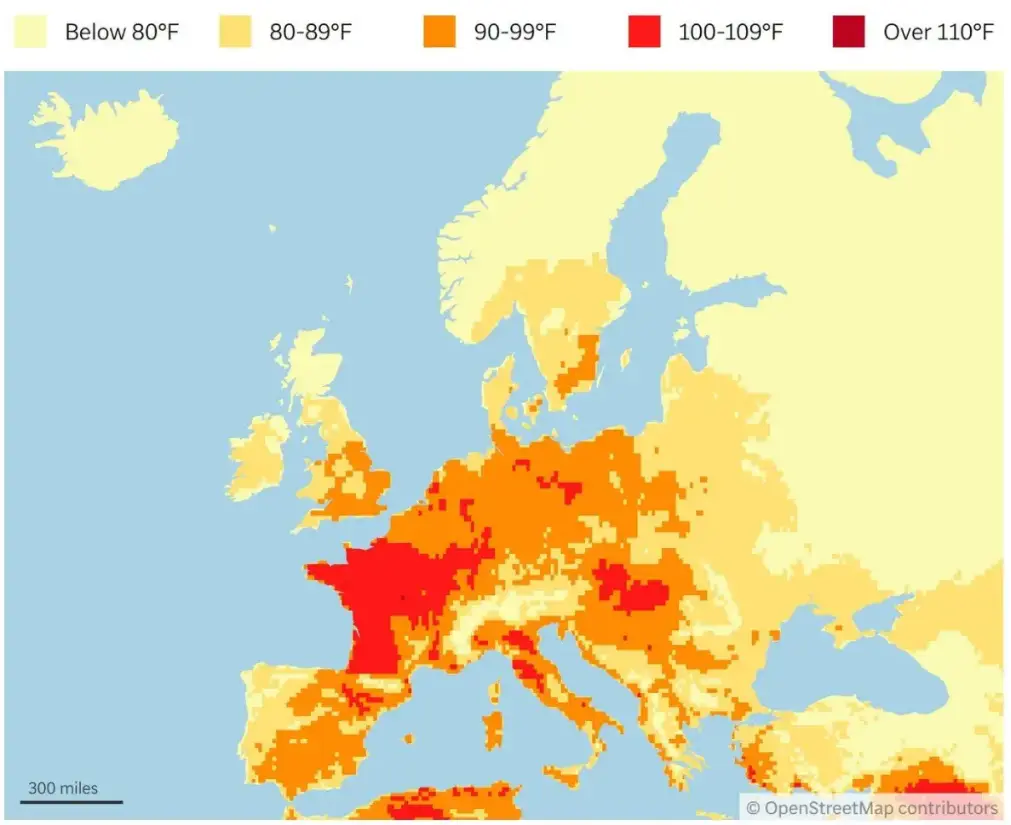
What Is the 2026 European Heatwave?
The 2026 European heatwave refers to an exceptionally intense period of prolonged high temperatures affecting much of Western, Central, and Southern Europe beginning in late June 2026.
Unlike typical summer warm spells, this event has been characterized by:
- Multiple consecutive days above 40°C
- Exceptionally warm overnight temperatures (“tropical nights”)
- Simultaneous impacts across numerous countries
- Extensive public health alerts
- Major disruptions to infrastructure and transportation
- Increased wildfire and drought conditions
Meteorological organizations have described it as one of Europe’s most significant early-summer heat events on record.
Countries Most Affected
The heatwave has impacted nearly every region of Europe, although severity varies by location.
Some of the hardest-hit countries include:
- France
- Germany
- Spain
- Italy
- United Kingdom
- Switzerland
- Austria
- Poland
- Czech Republic
- Hungary
- Belgium
- Netherlands
- Croatia
Several countries established new national or regional temperature records while issuing red-level heat warnings for millions of residents.
Why Is Europe Experiencing Record Heat?
Climate scientists identify several interacting factors.
1. Persistent High-Pressure System
A strong atmospheric high-pressure system developed over Europe.
This system:
- suppresses cloud formation
- traps hot air near the surface
- reduces rainfall
- increases solar heating
This pattern is commonly referred to as a “heat dome.”
2. Dry Soil Conditions
Many regions entered summer with unusually dry soils.
Dry ground cannot cool the surrounding air through evaporation, allowing temperatures to climb even higher.
3. Climate Change
According to climate attribution research, long-term global warming substantially increased the probability and intensity of this event.
Researchers conclude that:
- Europe is warming faster than the global average.
- Extreme heat events are becoming more frequent.
- Earlier seasonal heatwaves are becoming increasingly common.
World Weather Attribution researchers stated that the June 2026 event would have been virtually impossible in its current form without human-caused climate change.
Why Nighttime Temperatures Matter
One of the defining characteristics of the 2026 heatwave has been exceptionally warm nights.
Normally, cooler nighttime temperatures allow the human body to recover from daytime heat exposure.
During this event, many cities experienced “tropical nights,” where temperatures remained above 20°C (68°F), and some urban areas stayed considerably warmer.
This significantly increases health risks because:
- the body cannot effectively cool itself
- dehydration accumulates
- cardiovascular stress continues overnight
- sleep quality declines
- vulnerable populations receive little physiological recovery
Health experts emphasize that nighttime temperatures can sometimes predict heat-related illness more accurately than daytime highs.
Health Risks of Extreme Heat
Extreme heat is among the deadliest weather-related hazards worldwide.
Highest-risk groups include:
- older adults
- infants
- pregnant women
- outdoor workers
- people with heart disease
- individuals with respiratory disease
- people taking certain medications
- socially isolated individuals
Common heat-related illnesses include:
- Heat cramps
- Heat exhaustion
- Heat stroke
- Severe dehydration
- Kidney injury
- Cardiovascular complications
Heat stroke is a medical emergency requiring immediate treatment.
Real-World Public Health Consequences
The 2026 heatwave has already produced measurable health impacts.
Authorities have reported:
- excess mortality among elderly populations
- increased emergency room visits
- drowning deaths as people sought relief in rivers and lakes
- greater strain on emergency medical services
France alone reported more than 1,000 excess deaths associated with the heatwave, with officials warning that the total may continue to rise as health surveillance data are finalized.
How Transportation Was Disrupted
Extreme temperatures affect transportation systems in multiple ways.
Railways
Steel tracks expand under intense heat, increasing the risk of track deformation.
Rail operators responded by:
- reducing train speeds
- canceling services
- limiting schedules
Roads
High pavement temperatures can soften asphalt, creating hazardous driving conditions.
Aviation
Airports may experience:
- runway temperature restrictions
- aircraft weight limitations
- operational delays
Public Transit
Cities reported increased demand for air-conditioned transportation while transit systems faced higher cooling loads.
Several European countries experienced significant rail disruptions during the event.
Energy Systems Under Pressure
Heatwaves place extraordinary stress on electricity infrastructure.
Demand increases because of:
- air conditioning
- refrigeration
- cooling systems
- hospital operations
At the same time, electricity generation may become less efficient.
Some regions experienced:
- localized power outages
- reduced energy production
- increased strain on electrical grids
Hungary, for example, reported reduced nuclear power output associated with extreme environmental conditions.
Agriculture and Water Resources
Agriculture is particularly vulnerable during prolonged heat.
Potential impacts include:
- crop stress
- lower yields
- increased irrigation demand
- livestock heat stress
- declining soil moisture
Low river levels also reduce freshwater availability for:
- farming
- manufacturing
- power generation
- transportation
Although some agricultural losses become apparent immediately, others emerge later in the growing season.
Economic Consequences
Heatwaves affect far more than public health.
Major economic impacts include:
- lower labor productivity
- delayed construction projects
- transportation disruptions
- reduced industrial efficiency
- increased healthcare costs
- tourism interruptions
- higher electricity demand
Research from the European Central Bank suggests repeated climate extremes can reduce regional economic activity and discourage long-term investment.
How Governments Responded
Many governments activated national heat emergency plans.
Protective measures included:
- Red-level heat alerts
- Cooling centers
- Expanded emergency medical staffing
- Public hydration campaigns
- Restrictions on outdoor work
- School closures
- Wildfire monitoring
- Public transportation advisories
The World Meteorological Organization (WMO) and World Health Organization (WHO) emphasized the importance of early warning systems paired with immediate public action, noting that timely alerts must be accompanied by measures that reduce heat exposure.
How Individuals Can Stay Safe During Extreme Heat
Evidence-based recommendations include:
Stay Hydrated
Drink water regularly, even before feeling thirsty.
Avoid Peak Heat
Limit outdoor activities between late morning and early evening.
Keep Homes Cool
Use fans, air conditioning, blinds, and nighttime ventilation when temperatures allow.
Check Vulnerable Neighbors
Older adults living alone are at particularly high risk.
Recognize Heat Stroke Symptoms
Seek emergency medical care immediately if someone develops:
- confusion
- loss of consciousness
- seizures
- body temperature above 40°C
- hot, dry skin or severe overheating
Prompt treatment can save lives.
What This Heatwave Means for Europe’s Future
The 2026 event reflects broader climate trends rather than an isolated weather anomaly.
Climate projections consistently indicate that Europe is likely to experience:
- more frequent extreme heat
- longer heatwaves
- earlier seasonal onset
- increased nighttime temperatures
- greater pressure on infrastructure
- higher health risks for aging populations
Experts emphasize that adaptation—including heat-resilient urban design, improved building standards, expanded early warning systems, and stronger public health preparedness—will become increasingly important alongside efforts to reduce greenhouse gas emissions
FAQs

Is the 2026 European heatwave the hottest on record?
Several countries recorded their hottest June temperatures or all-time national temperature records, making this one of the most significant early-summer heatwaves ever documented in Europe.
What caused the heatwave?
A persistent high-pressure system, dry land conditions, and long-term human-driven climate change combined to produce exceptionally high temperatures.
Why are nighttime temperatures so dangerous?
Warm nights prevent the body from cooling and recovering, increasing the risk of dehydration, cardiovascular strain, and heat-related illness.
Which sectors were most affected?
Healthcare, transportation, energy, agriculture, construction, tourism, and emergency services all experienced significant disruptions.
Will events like this become more common?
Current climate research indicates that extreme heat events are expected to become more frequent and more intense as global temperatures continue to rise, making long-term adaptation and preparedness increasingly important.




 and then