








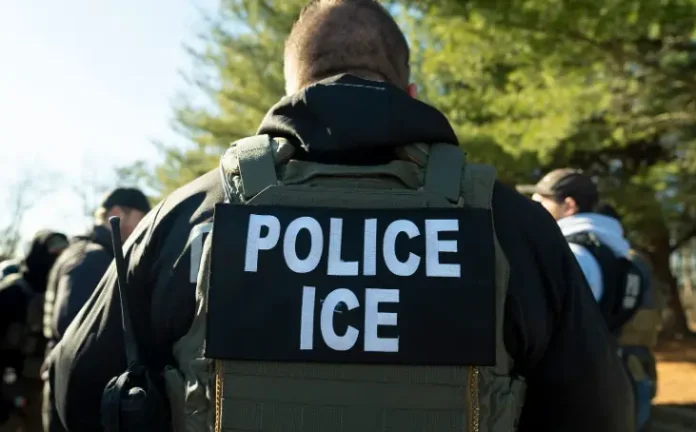
The Trump vs. anti-Trump conflict in Minneapolis is fueling fears of civil unrest, but it does not meet the historical or structural conditions of a true civil war. While polarization and protests are serious, democratic institutions and legal systems remain firmly intact.
KumDi.com
The Trump vs. anti-Trump conflict in Minneapolis has reignited national anxiety about political division in America. As protests, federal authority, and public outrage collide, comparisons to the Civil War (2024) movie raise an urgent question: is the U.S. nearing dangerous instability—or is fear outpacing facts?
The phrase “civil war” has re-entered American political vocabulary with unsettling frequency. As protests, federal enforcement actions, and sharp rhetoric converge in cities like Minneapolis, some observers are asking an alarming question: Could the conflict between Trump supporters and anti-Trump protesters spiral into something resembling the dystopian chaos portrayed in the movie Civil War (2024)?
The short answer is no — not in the literal sense. But the longer answer reveals why the question itself reflects a deeper anxiety about America’s political future.
Table of Contents

Why Minneapolis Became a Flashpoint
Minneapolis holds symbolic weight in modern American politics. It has become a recurring stage for national debates over federal authority, civil protest, and political identity. When federal actions intersect with deeply polarized local sentiment, the result can feel explosive — especially when amplified by social media and cable news.
The conflict unfolding there is not merely about policy. It is about who holds legitimacy, who defines public order, and whose version of America prevails. That emotional intensity is what drives comparisons to cinematic civil-war scenarios.
What the “Civil War” Comparison Really Means
When people invoke the idea of civil war today, they are rarely predicting tanks in the streets or organized armies seizing territory. Instead, they are expressing fear of:
- Extreme political polarization
- Loss of trust in institutions
- Federal and local governments openly defying each other
- Citizens viewing political opponents as enemies rather than neighbors
The movie Civil War (2024) taps into these fears by imagining a fractured America where legitimacy collapses and violence fills the vacuum. The concern is psychological and cultural more than military.
Why This Is Not an Actual Civil War
A true civil war requires conditions that simply do not exist today:
1. No Competing Governments
There is no organized rival authority claiming sovereignty over U.S. territory. State and local governments may resist federal actions rhetorically or legally, but they are not declaring independence or forming parallel nations.
2. No Mass Armed Factions
While isolated extremist groups exist, there is no broad, organized, popular military movement aligned along Trump vs. anti-Trump lines. Protesters are not armies. Federal agents are not a warring faction — they are part of a centralized state apparatus.
3. Institutions Still Function
Courts issue rulings. Elections occur. Laws are challenged through legal channels. These mechanisms are precisely what collapse before civil wars begin — and they remain intact.
Why the Situation Still Feels Dangerous
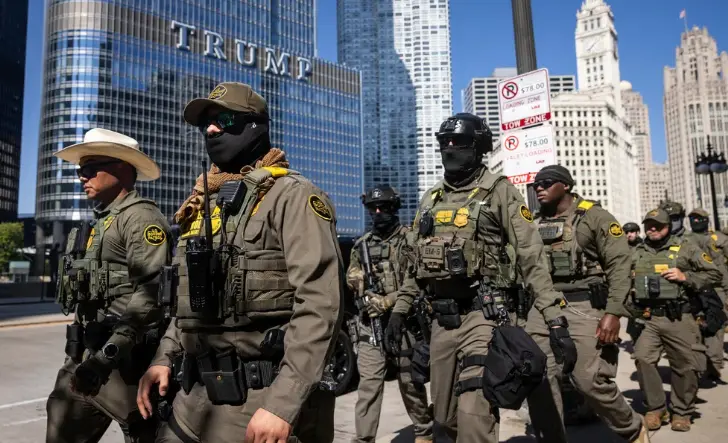
Acknowledging that a civil war is unlikely does not mean dismissing real risks.
Political Tribalism
The Trump vs. anti-Trump divide increasingly resembles identity politics rather than policy disagreement. When political affiliation becomes tied to moral worth, compromise becomes betrayal.
Federal vs. Local Confrontation
Open conflict between federal authorities and city leadership fuels narratives of occupation and resistance, even if legally overstated. These narratives can radicalize rhetoric and behavior.
Normalization of Crisis Language
When leaders and media repeatedly frame events as existential threats, the public begins to expect escalation — and sometimes acts accordingly.
This is how societies drift toward instability without crossing into formal war.
Hollywood vs. Reality
Movies like Civil War (2024) compress decades of institutional decay into two dramatic hours. Real societies unravel more slowly — through cynicism, disengagement, and normalized hostility.
America today resembles a democracy under stress, not a nation on the brink of battlefield collapse. The danger lies less in sudden civil war and more in gradual erosion:
- Declining trust
- Permanent outrage
- Zero-sum politics
These conditions don’t produce movie-style wars — they produce long-term dysfunction.
What Determines the Future Path
Whether Minneapolis remains a warning sign or becomes a turning point depends on choices made now:
- Leaders choosing de-escalation over provocation
- Media prioritizing clarity over catastrophe framing
- Citizens resisting the urge to dehumanize opponents
- Institutions enforcing law without political theater
Civil wars are not accidents. They are the result of sustained failures across leadership, legitimacy, and restraint.
Conclusion
The Trump vs. anti-Trump conflict in Minneapolis is serious, emotional, and politically consequential. But it is not the opening act of a cinematic civil war.
The real lesson from Civil War (2024) is not that such a future is inevitable — but that fear itself can become a destabilizing force if left unchecked.
America’s challenge is not preventing a war between armies.
It is preventing a permanent war of identities.
And that battle is still very much within our control.

FAQs
What is the Trump vs. anti-Trump conflict in Minneapolis?
The Trump vs. anti-Trump conflict in Minneapolis refers to political protests and opposition surrounding federal actions, reflecting broader US political polarization and civil unrest concerns.
Is political unrest in Minneapolis similar to the Civil War (2024) movie?
While political unrest in Minneapolis feels intense, it lacks armed factions, territorial control, and institutional collapse shown in the Civil War 2024 movie comparison.
Could US political polarization lead to a real civil war?
US political polarization increases tension, but experts agree it does not currently meet conditions required for a real civil war, especially with functioning courts and elections.
Why do people compare Trump protests to civil war scenarios?
The comparison stems from emotional rhetoric, media amplification, and fear of instability, not from evidence of organized rebellion or nationwide armed conflict.
What is the real risk of Trump vs. anti-Trump conflict in Minneapolis?
The real risk lies in deepening division, mistrust in institutions, and localized unrest—not a nationwide civil war like the Civil War (2024) movie portrays.




 and then