








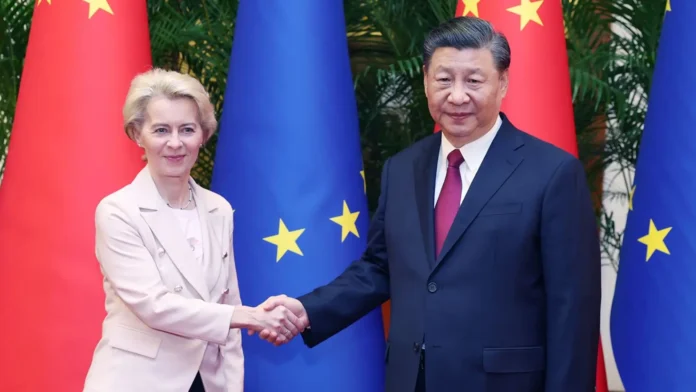
Europe can influence China through economic leverage, diplomatic cooperation, and strategic pressure, but cannot force Beijing to oppose Moscow directly. Europe’s goal is to encourage China to support de-escalation, limit Russia’s options, and open pathways to negotiations that could help end Russia’s war in Ukraine.
KumDi.com
Can Europe push China to end Russia war in Ukraine? Europe is increasingly examining whether it can push China to help end Russia war in Ukraine, recognizing Beijing’s unique influence over Moscow. With economic interdependence, geopolitical balancing, and diplomatic pressure at play, Europe aims to shape China’s behavior enough to encourage de-escalation and create space for credible peace discussions.
As the war in Ukraine enters another year, Europe is balancing military support, sanctions, diplomatic outreach, and internal economic resilience. Yet one question keeps resurfacing: Can Europe push China to end Russia war? The logic is clear. China has influence over Moscow that Europe does not. China is Russia’s largest trading partner, a key buyer of energy, and a political counterweight to Western coalitions. If Beijing encouraged restraint—or pressured Russia into negotiations—the trajectory of the war could shift.
But ability does not equal willingness. China’s strategic goals differ from Europe’s, and its calculus involves far more than the fate of Ukraine. Understanding Europe’s leverage requires unpacking China’s interests, identifying realistic diplomatic levers, and recognizing what Beijing might actually do.
This article explores those dynamics in depth and offers a realistic forecast of what Europe can—and cannot—achieve.
Table of Contents
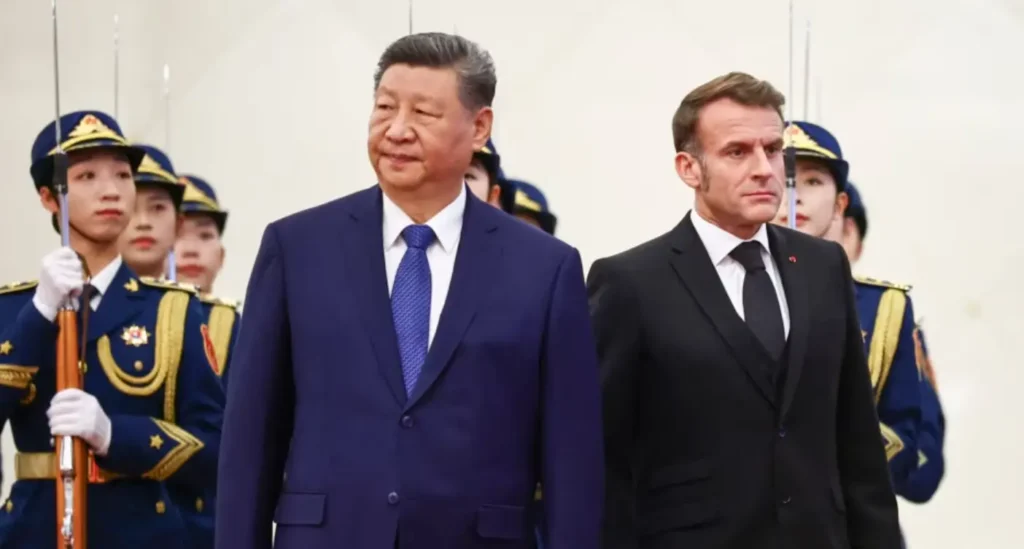
Europe’s Strategic Rationale: Why China Matters
Europe focuses on China for three major reasons:
1. China’s Economic Lifeline to Russia
Russia’s economy has been battered by sanctions, restricted finance, and loss of Western markets. China provides alternative routes—energy purchases, machinery, technology, consumer goods, and diplomatic cover. If China reduced support, Russia’s war effort would become far more expensive and politically risky.
2. China Is the Only Great Power Moscow Cannot Ignore
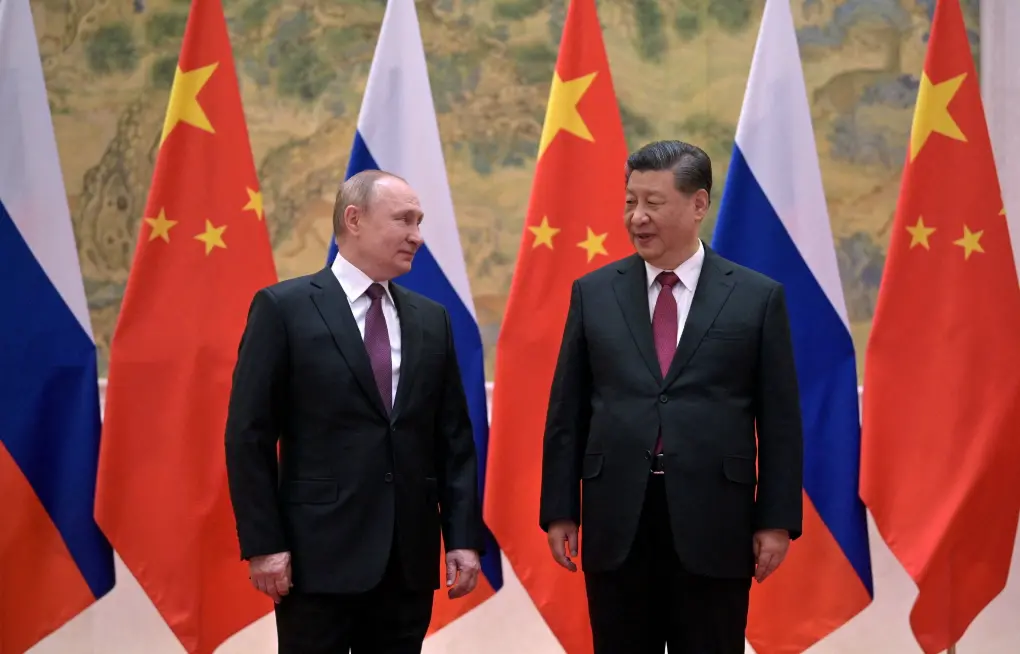
Unlike Europe, China is a strategic partner Russia needs. Unlike the United States, China is not viewed as a direct adversary. Beijing’s preferences matter in Moscow’s long-term calculations about security and survival.
3. China Wants Global Influence
Beijing seeks recognition as a responsible global actor. A role in ending the war—even partially—could elevate its global standing and strengthen its claim to leadership in a multipolar world.
These three points create a potential opportunity for Europe. But opportunity does not automatically create results.
China’s Strategic Position: Neutral or Pro-Russia?
To understand Europe’s leverage, we must first understand what China actually wants.
1. China Benefits From a Weakened, Dependent Russia
A Russia isolated from the West becomes more economically dependent on China. This allows Beijing to purchase discounted energy, expand influence in Central Asia, access Russian commodities, and maintain a friendly power across its northern border.
A weakened Russia is useful—but a collapsed Russia would be dangerous. China therefore supports Moscow enough to prevent collapse, but not enough to provoke direct conflict with Europe.
2. China Opposes Western Expansion of Influence
China views NATO and Western coalitions as direct constraints on its future power. If Russia is decisively defeated, Beijing worries it will be next in line for political and economic containment. Therefore, China has little incentive to help the West achieve a strategic victory in Ukraine.
3. China Wants Stability, Not Chaos
China dislikes global instability—supply chain disruptions, volatile energy markets, and economic uncertainty all harm its domestic priorities. For this reason, Beijing is open to a controlled de-escalation or ceasefire, even if it is not fully aligned with Ukrainian objectives.
This mixed incentive structure means:
China wants peace—but not a peace that looks like a Western victory.
What Leverage Does Europe Actually Have?
Europe’s ability to influence China is real but constrained. Still, there are several meaningful levers.
1. Trade and Market Access
The EU is China’s largest export market.
European regulations on technology, green energy, automotive imports, and investment screening matter deeply to Beijing.
Europe can:
- tighten or relax trade restrictions,
- accelerate or slow regulatory actions against Chinese industries,
- expand or limit access to European markets.
China does not want a large-scale economic conflict with Europe. This gives Europe modest, targeted leverage.
2. Technology and Innovation Controls
China depends on Europe for high-end machinery, robotics, renewable technologies, aviation components, and industrial software. Restrictions in these areas can shape Beijing’s long-term calculations about cooperation.
3. Diplomatic Legitimacy
China cares about its global image more than it admits. If Europe signals that China’s stance on Ukraine affects:
- investment environments,
- diplomacy in Africa or Latin America,
- China’s portrayal in Western media,
Beijing may adjust its tone—if not its core strategy.
4. Coalition Pressure
If Europe aligns with South Korea, Japan, Canada, Australia, and parts of the Global South, China faces a wider diplomatic and economic cost for being seen as enabling Russia.
This multiplies European leverage beyond individual states.
What Europe Cannot Do
Europe must be realistic. Here are the limits.
1. Europe Cannot Force China to Undermine Its Strategic Partner
China will not:
- cut off Russian energy purchases,
- impose sanctions on Moscow, or
- demand Russia withdraw completely from occupied territories.
These actions contradict Chinese strategic interests.
2. Europe Cannot Split the China–Russia Partnership
The partnership is built on shared geopolitical goals:
- limiting Western influence,
- shaping global governance,
- challenging U.S. dominance.
This foundation is too deep for Europe to break.
3. Europe Cannot Offer China a “Grand Bargain”
Europe does not possess the military or geopolitical tools to reshape the entirety of China’s strategic environment. Only the U.S. has such leverage, and its own relations with China are strained.
Europe must therefore work within narrower diplomatic parameters.
Realistic Scenarios: How China Might Actually Help
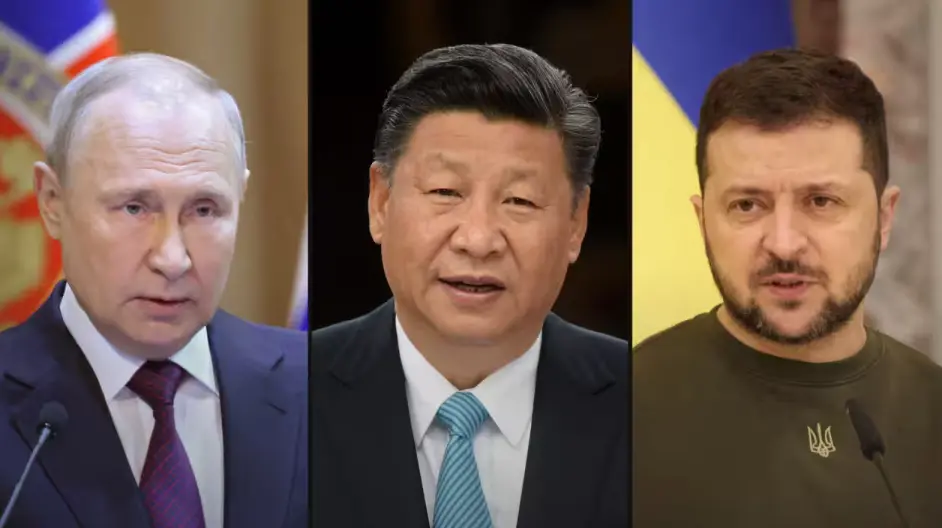
Europe cannot force China to end the war, but it can encourage certain actions.
Scenario 1: China Encourages Limited Restraint (Most Realistic)
China could:
- urge Russia to avoid nuclear escalation,
- push for humanitarian corridors,
- discourage attacks on critical civilian infrastructure,
- support prisoner exchanges,
- promote limited ceasefire zones.
These steps reduce suffering and stabilize the conflict without forcing Moscow into political concessions.
Scenario 2: China Supports a Negotiated Freeze or Ceasefire
China might support:
- a frozen conflict,
- territorial lines held in place,
- demilitarized zones,
- international monitoring,
- phased sanctions relief tied to conditions.
This scenario aligns with China’s strategic interest in stability but might not meet Ukraine’s demands.
Scenario 3: China Co-Hosts a Peace Framework (Possible but Difficult)
Europe could convince China to co-host a peace conference or endorse a negotiation roadmap. Beijing might do this to enhance its global prestige.
However, such a framework would avoid explicit demands for Russian withdrawal.
Scenario 4: China Does Very Little (Still Likely)
If Europe’s pressure is too aggressive—or if China calculates that its strategic partnership with Russia matters more—Beijing may limit itself to symbolic statements and vague proposals.
What Europe Should Do Now: Policy Recommendations
1. Build a Coordinated, Unified European Position
Mixed messages weaken leverage.
Europe must present a single, coherent set of expectations to Beijing.
2. Link Economic Incentives to Concrete Diplomatic Steps
For example:
- “If China supports X humanitarian measure, Europe will open Y dialogue channel.”
- “If China reduces dual-use exports to Russia, Europe will reconsider certain trade restrictions.”
Linkage must be clear and measurable.
3. Support Ukraine Militarily While Negotiating Diplomatically
Europe should not reduce military aid in hopes of Chinese mediation.
Strength on the battlefield increases diplomatic leverage.
4. Engage China in Multilateral Formats
Europe should encourage China to participate in:
- UN-backed initiatives,
- reconstruction planning for Ukraine,
- global grain security projects,
- energy stability agreements.
This gives China a stake in postwar planning.
5. Avoid Framing the Conflict as a U.S.–China Proxy Battle
The more China feels cornered,
the more it will tighten its partnership with Russia.
Europe must keep the diplomatic space open.
Conclusion: Can Europe Push China to Help End the War?
The short answer is yes—but only partially, and only within narrow strategic limits.
Europe can:
- encourage China to restrain Russia,
- promote humanitarian measures,
- support limited ceasefire efforts,
- shape the diplomatic environment.
Europe cannot:
- force China to abandon Russia,
- push Beijing to demand full Russian withdrawal,
- engineer a strategic shift in China’s global priorities.
The realistic goal is managed de-escalation, not a decisive peace imposed by China.
If Europe uses its economic leverage wisely, maintains strategic unity, and engages China diplomatically rather than confrontationally, Beijing may support certain steps that reduce violence and open space for future negotiations.
But Europe must remain clear-eyed:
China will act in China’s interests, not Europe’s.
The key is aligning those interests with initiatives that bring the war closer to an end—step by step, pressure by pressure, and with realistic expectations.
FAQs
How can Europe push China to end Russia war in Ukraine?
Europe can push China through targeted economic incentives, coordinated EU China diplomacy, and unified geopolitical messaging. These measures encourage China to support de-escalation and potential mediation in the Russia–Ukraine conflict.
Why is China important in efforts to end Russia war in Ukraine?
China has economic leverage and political access to Moscow. Its involvement strengthens China Russia Ukraine mediation efforts and helps Europe influence Russia’s strategic decisions through indirect pressure.
What limits Europe’s ability to push China toward ending the war?
Europe’s leverage is limited by China’s long-term partnership with Russia and its cautious foreign policy. This constrains how far European geopolitical strategy can shift Beijing’s position on the conflict.
Can EU China diplomacy realistically change China’s stance on the Ukraine war?
EU China diplomacy can shape China’s behavior modestly—especially on humanitarian measures or ceasefire discussions—but it cannot force full alignment with Europe’s goals due to China’s strategic priorities.
What would motivate China to support efforts to end Russia’s war in Ukraine?
China may act if stability benefits its economy, global leadership image, and strategic balance. Europe can encourage this through combined economic pressure, diplomatic engagement, and coordinated China Russia Ukraine mediation frameworks.




 and then