








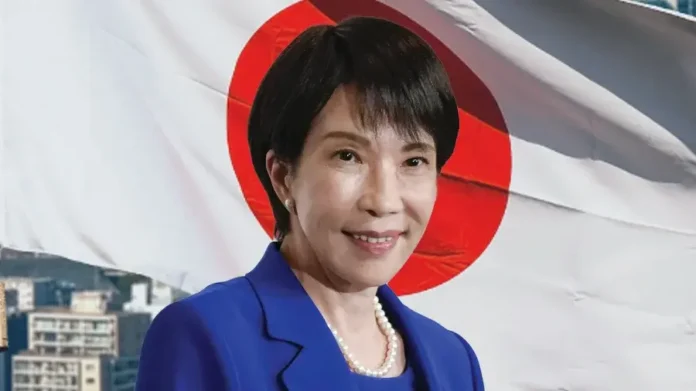

Japan defense modernization is Japan’s strategic effort to strengthen military readiness ahead of President Trump’s Tokyo visit. The initiative focuses on adapting to new warfare realities, upgrading technology, and reinforcing the Japan–U.S. alliance for long-term Indo-Pacific stability.
KumDi.com
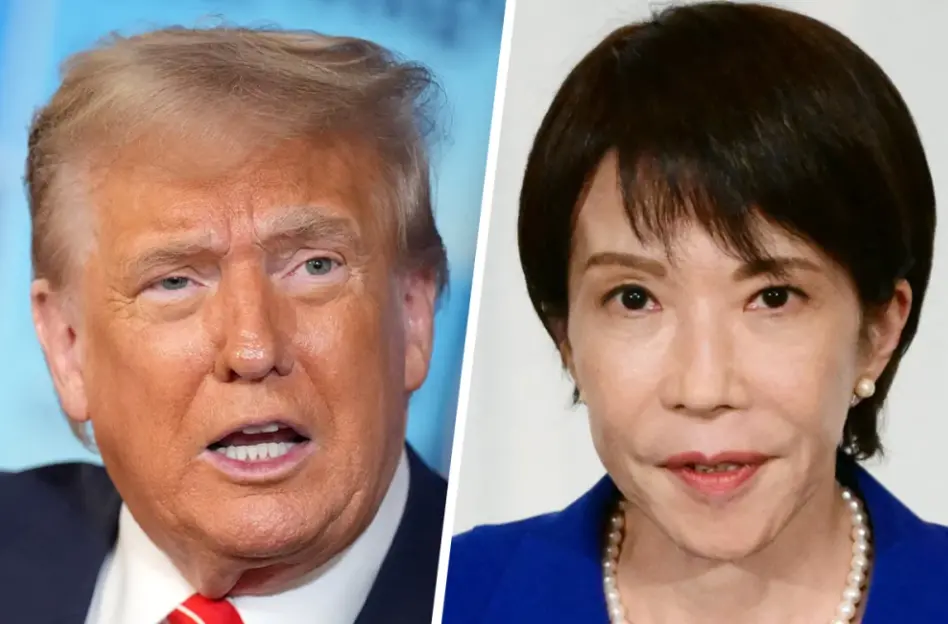
Japan’s new foreign minister announced that Japan defense modernization will be a top priority when President Donald Trump visits Tokyo next week. The move underscores Japan’s determination to adapt to modern warfare, strengthen its U.S. alliance, and secure its role in the evolving Indo-Pacific security environment.
Japan’s newly appointed foreign minister announced that the country will demonstrate its determination to enhance its national defense and modernize its military strategies when President Donald Trump visits Tokyo next week. The statement signals a new phase in Japan’s defense evolution—one shaped by technological change, shifting alliances, and the urgent realities of modern warfare.
As the United States and Japan prepare for this high-profile diplomatic meeting, the world’s attention turns to how the two long-time allies will redefine their security partnership in the face of new global challenges.
Table of Contents
A Clear Message of Determination
The new foreign minister’s remarks come at a pivotal moment. Japan has been steadily expanding its defense capabilities in response to rapid changes in global military technology and regional instability. From the growing use of drones and cyberweapons to the emergence of artificial intelligence in combat, warfare has entered a new era—one that demands agility, preparedness, and innovation.
By publicly linking Japan’s defense modernization to President Trump’s upcoming visit, the foreign minister made it clear that Japan intends to show its allies—and its adversaries—that it is ready to take greater responsibility for its own security.
Shifting Security Dynamics in the Indo-Pacific
The Indo-Pacific region is undergoing profound strategic transformation. Increased military activity in nearby waters, expanding missile programs in neighboring countries, and rapid technological advancement have all contributed to an environment of uncertainty.
For Japan, these developments pose both challenges and opportunities. The country’s geography places it at the center of several key security flashpoints. As new forms of hybrid warfare blur the lines between traditional and nontraditional combat, Tokyo recognizes the need to upgrade its defense posture accordingly.
Japan’s defense leaders have emphasized the importance of building a military that is not only stronger, but smarter—capable of responding quickly to threats in multiple domains, including cyber, space, and electromagnetic warfare.
Strengthening the U.S.–Japan Alliance
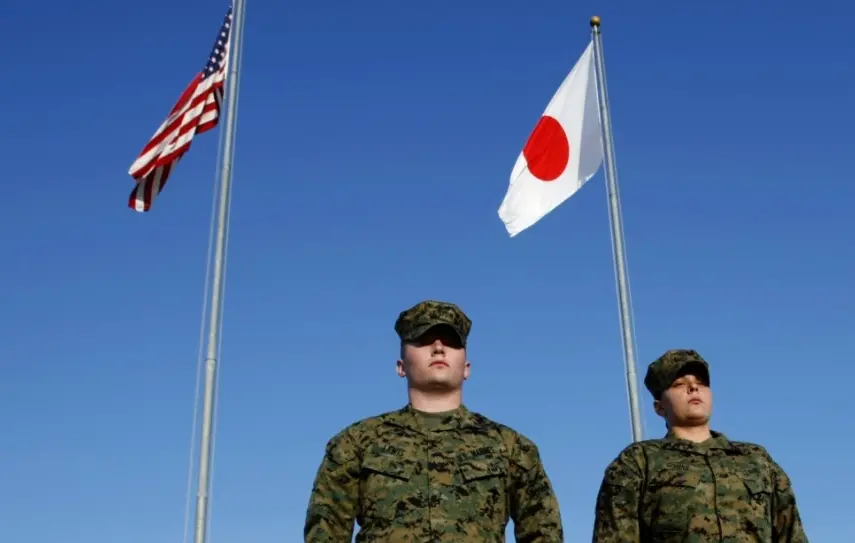
President Trump’s visit to Tokyo is expected to highlight the enduring strength of the U.S.–Japan alliance, a partnership that has formed the cornerstone of regional stability for decades. Yet this visit carries additional significance. It marks an opportunity for both nations to showcase how they are adapting their cooperation to meet 21st-century threats.
The foreign minister noted that Japan’s defense efforts are designed not only to protect its citizens, but also to contribute to broader regional and global security. This aligns with the shared goal of ensuring a “free and open Indo-Pacific,” a principle that both Washington and Tokyo have long championed.
In the upcoming talks, defense modernization, technology sharing, and increased interoperability between U.S. and Japanese forces are likely to be central themes.
Preparing for the Realities of Modern Warfare
Modern warfare no longer depends solely on tanks, ships, or fighter jets. It involves information dominance, cyber resilience, and the ability to respond to threats that appear without warning.
Japan’s evolving defense strategy reflects this understanding. The government has been prioritizing:
- Enhanced cyber defense units to counter digital attacks on critical infrastructure.
- Advanced missile systems capable of intercepting or deterring potential strikes.
- Unmanned aerial and maritime technologies to extend surveillance and deterrence.
- Artificial intelligence integration to improve decision-making and real-time threat assessment.
The foreign minister’s comments made it clear that the focus is not only on military expansion, but also on transformation—creating a defense force ready for the realities of modern, multi-domain conflict.
Economic and Strategic Implications
Japan’s defense modernization has broader economic implications. Increased investment in technology and defense industries is expected to stimulate domestic innovation and strengthen industrial competitiveness.
Partnerships with the United States in advanced sectors—such as robotics, cybersecurity, and aerospace—will deepen mutual reliance and create new opportunities for co-development and co-production.
Strategically, this shift positions Japan as a proactive player in regional security. By showing determination and readiness, Japan sends a message of deterrence, aiming to prevent conflict through strength rather than confrontation.
Anticipated Topics During the Trump Visit
When President Trump arrives in Tokyo, several key topics are expected to dominate discussions:
- Defense Budget and Burden-Sharing:
Japan is likely to reaffirm its commitment to increasing defense spending and enhancing joint capabilities. The meeting could highlight shared goals for fair burden-sharing within the alliance. - Regional Stability and Deterrence:
Both leaders are expected to discuss maintaining peace in the Indo-Pacific, with a focus on maritime security and countering emerging threats. - Technology Cooperation:
The two sides may explore new joint initiatives in cybersecurity, missile defense, and defense manufacturing partnerships. - Strategic Communication:
Joint statements will likely emphasize unity, shared values, and the importance of democratic cooperation in a rapidly changing world.
Japan’s Path Toward Greater Autonomy
While Japan remains deeply committed to its alliance with the United States, the foreign minister’s statement suggests a growing emphasis on strategic autonomy. This doesn’t mean distancing from Washington; rather, it means building the capacity to act decisively in Japan’s own interest when required.
The goal is to achieve a balance—maintaining strong alliance coordination while also ensuring Japan can independently protect its sovereignty, technology, and national interests.
Public Perception and Domestic Debate
At home, the government’s push to enhance defense has sparked active debate. Supporters argue that Japan must evolve to meet modern challenges, particularly given its proximity to flashpoints in the region. Critics, however, express concern about constitutional constraints and the risk of escalating tensions.
The foreign minister addressed these concerns indirectly by framing the defense upgrade as a peace-through-strength policy—a necessary evolution rather than a departure from Japan’s pacifist principles. The emphasis on deterrence and protection of citizens resonates strongly with public opinion, especially amid rising global uncertainty.
Adapting to Technological Warfare
The changing nature of warfare—marked by cyber operations, unmanned systems, and artificial intelligence—requires a new strategic mindset. Japan’s leadership has recognized that the traditional boundaries between war and peace are blurring.
To adapt, Japan is investing in innovation, building partnerships with universities and private firms, and fostering new generations of defense engineers and analysts. This holistic approach underscores Japan’s commitment to security not just on the battlefield, but across society.
Global Significance
Japan’s decision to modernize its defense posture carries global implications. As one of the world’s leading economies and a trusted U.S. ally, Japan’s actions influence the balance of power throughout the Indo-Pacific.
By demonstrating readiness and resilience, Japan contributes to global deterrence and helps uphold international norms. The upcoming meeting between President Trump and Japan’s leadership is therefore more than a bilateral event—it is a symbol of a world recalibrating for the future of defense and diplomacy.
Conclusion
As President Donald Trump visits Tokyo next week, Japan will seize the moment to reaffirm its role as a forward-looking, technologically capable, and responsible security partner. The new foreign minister’s declaration represents not only a policy shift but also a statement of intent: Japan is determined to defend its future, adapt to the changing realities of warfare, and uphold peace through strength.
The visit will likely mark the beginning of a renewed era in the U.S.–Japan alliance—one defined by innovation, resilience, and shared strategic vision for the decades ahead.
FAQs
Why is Japan strengthening its defense ahead of Trump’s Tokyo visit?
Japan aims to demonstrate its determination to modernize its defense and adapt to changing warfare realities. This strategic move reinforces the Japan U.S. alliance and signals Tokyo’s readiness to contribute more to regional and global security.
What is Japan’s new defense modernization strategy?
Japan’s defense modernization focuses on improving missile systems, cyber defense, and unmanned technologies. The initiative enhances Japan’s military strategy and ensures it remains prepared for modern warfare challenges in the Indo-Pacific region.
How does President Trump’s visit influence Japan’s defense plans?
President Trump’s Tokyo visit serves as a catalyst for Japan’s defense policy announcement. It emphasizes closer cooperation between Japan and the United States to strengthen their alliance and coordinate defense modernization strategies for mutual security.
What does “changing warfare realities” mean for Japan?
“Changing warfare realities” refers to the rise of cyber threats, AI-driven weapons, and unmanned systems. Japan’s defense modernization strategy ensures that its military can respond effectively to modern combat challenges while supporting the broader Japan U.S. alliance.
How will Japan’s defense modernization impact regional stability?
Japan’s stronger defense posture promotes regional deterrence and enhances peace through readiness. By aligning its military strategy with the U.S., Japan contributes to a more stable Indo-Pacific region and prevents escalation through strength and cooperation.




 and then